With more than 10‑year industry experience, Shandong Headpowder delivers full‑service pneumatic‑conveying systems and blowers, undertaking nationwide turn‑key powder‑handling projects.
Quicklime, also known as calcium oxide (CaO), is a widely used industrial material in various sectors such as construction, steel production, and chemical manufacturing. The efficient and reliable transportation of quicklime from production sites to processing facilities is crucial for maintaining production efficiency and reducing operational costs. Pneumatic conveying systems have emerged as a preferred solution for handling quicklime due to their ability to transport bulk materials in a dust-free, low-maintenance manner. This article explores the fundamental principles of quicklime material pneumatic conveying lines and highlights the key working scene characteristics that make them suitable for industrial applications.
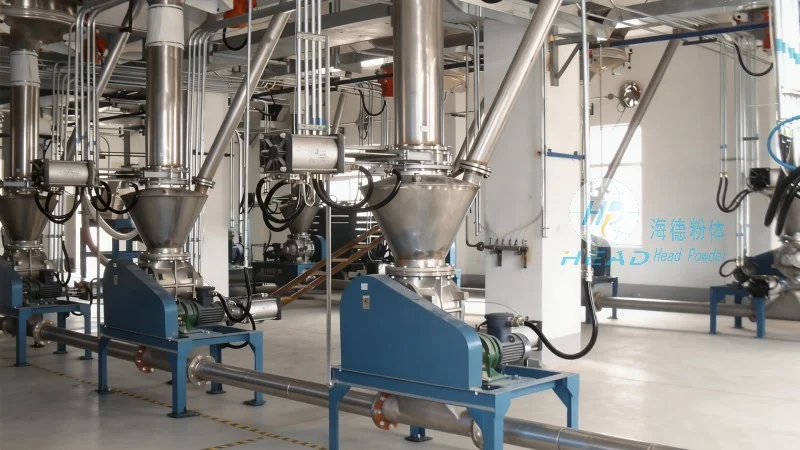
HeadPowder, a leading provider of material handling solutions, specializes in designing and manufacturing pneumatic conveying systems tailored to the unique requirements of quicklime handling. With years of experience in the industry, HeadPowder understands the challenges associated with transporting quicklime, including its high reactivity, abrasive nature, and the need for dust control. The company's expertise lies in developing customized pneumatic conveying lines that ensure safe, efficient, and cost-effective material transport.
The core principle of a quicklime material pneumatic conveying line is the use of compressed air to move the material through a network of pipes. The system typically consists of a hopper, a feeder, a conveying line, and a receiver. The quicklime is first stored in the hopper, then fed into the conveying line by the feeder. Compressed air is then introduced into the line, creating a flow that propels the material forward. The air and material mixture travels through the pipes until it reaches the receiver, where the material is deposited and the air is filtered and recycled. This process eliminates the need for mechanical components like belts or buckets, reducing maintenance and increasing system reliability.
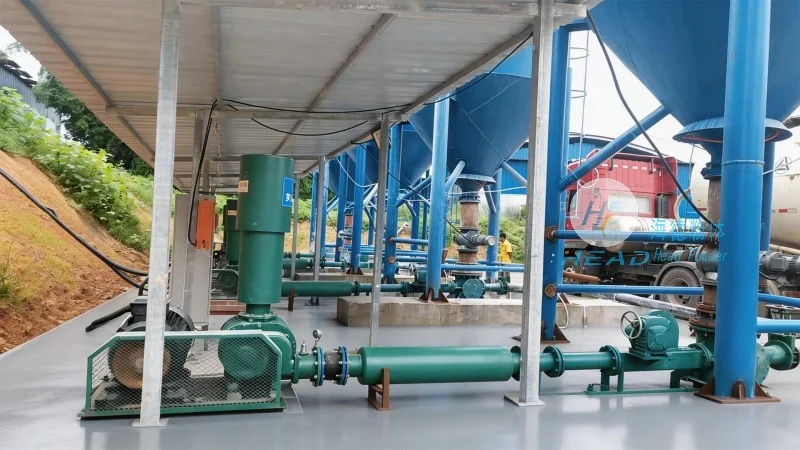
One of the primary working scene characteristics of quicklime pneumatic conveying lines is their ability to handle high volumes of material with minimal downtime. The systems are designed to operate continuously, ensuring a steady supply of quicklime to processing units. This is particularly important in large-scale industrial settings where production demands are high and any interruption in material supply can lead to significant losses. The pneumatic conveying lines can be configured to handle different flow rates, allowing them to adapt to varying production needs.
Another key characteristic is the dust control mechanism integrated into the system. Quicklime is a fine powder that can create dust, which poses health and safety risks if not properly managed. The pneumatic conveying line uses a closed system with filters and cyclones to capture and remove dust particles from the air stream. This not only protects the environment and workers but also prevents material loss and ensures the purity of the quicklime. The dust control features are essential for compliance with environmental regulations and maintaining a safe working environment.
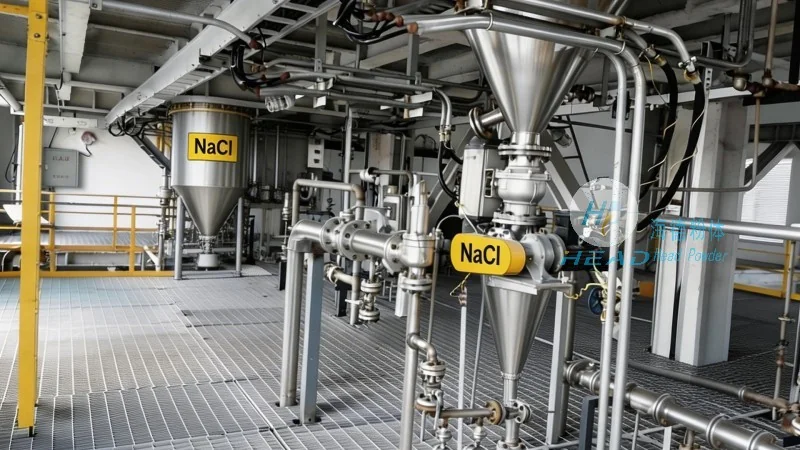
HeadPowder's quicklime pneumatic conveying lines are engineered to withstand the abrasive nature of quicklime. The materials used in the construction of the system, such as stainless steel and high-grade alloys, are chosen for their durability and resistance to corrosion. The system components are designed to minimize wear and tear, extending the service life of the equipment. This durability is crucial for long-term operational efficiency and reduces the need for frequent replacements or repairs.
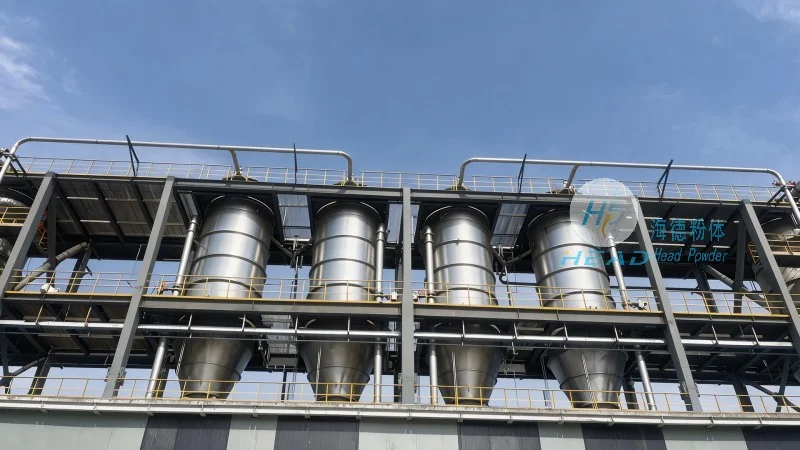
The working scene characteristics also include the flexibility of the system in terms of layout and integration. The pneumatic conveying lines can be customized to fit the specific layout of a facility, allowing for easy integration with existing equipment and processes. This flexibility is particularly beneficial in retrofitting existing plants or designing new facilities from the ground up. The system can be configured to handle multiple material sources or destinations, providing versatility in material handling operations.
In conclusion, quicklime material pneumatic conveying lines are an efficient and reliable solution for transporting bulk quicklime in industrial applications. The principles of using compressed air to move material through a closed system, combined with the working scene characteristics such as high capacity, dust control, durability, and flexibility, make these systems ideal for various industries. HeadPowder, with its expertise in material handling, provides customized solutions that meet the specific needs of quicklime handling, ensuring optimal performance and operational efficiency.

 Shandong Headpowder Engineering Co., Ltd.
 156-6277-7102(Manager Zhang)
  0531-83386006
  Zhangqiu District, Jinan City, Shandong Province, China
telephone
WeChatconsult
top