With more than 10‑year industry experience, Shandong Headpowder delivers full‑service pneumatic‑conveying systems and blowers, undertaking nationwide turn‑key powder‑handling projects.
HeadPowder, a leading engineering firm based in Shandong, China, specializes in the design and implementation of pneumatic conveying systems tailored for mineral sand materials. These systems represent a sophisticated approach to material handling, offering efficient, dust-free, and flexible solutions for various industrial applications. This article delves into the fundamental principles of pneumatic conveying and highlights the key characteristics of working scenes where such systems are effectively utilized.
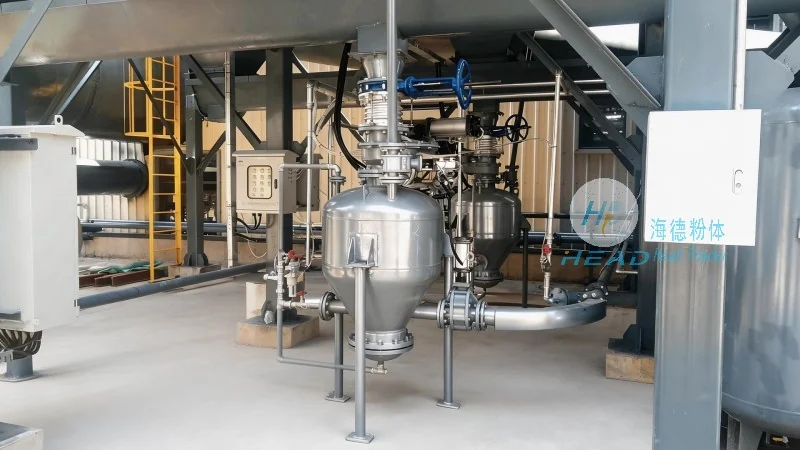
The principle of pneumatic conveying involves transporting bulk materials, such as mineral sands, through a pipeline using a stream of air or gas. This method relies on the creation of a low-pressure or high-pressure air flow that propels the material particles along the pipeline. The system typically consists of a feeding unit, a conveying line, and a discharge unit, with optional components like cyclones, filters, and silos for material separation and storage. For mineral sand applications, the design must account for the specific properties of the material, including particle size, density, and moisture content, to ensure optimal performance and minimal system wear.
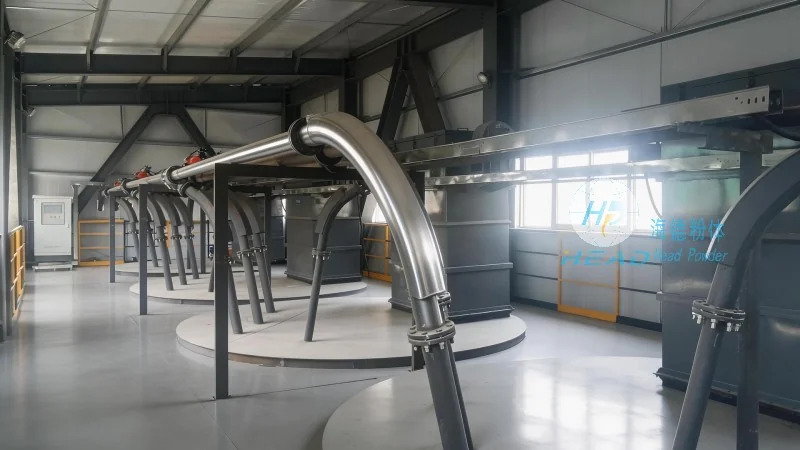
The effectiveness of pneumatic conveying lines in handling mineral sand materials is significantly influenced by several working scene characteristics. Firstly, the layout and scale of the industrial facility play a crucial role. In large-scale mining or processing plants, the conveying lines may span extensive distances, requiring robust infrastructure to maintain material flow and prevent blockages. Secondly, the environmental conditions within the working environment are critical. Dust control measures are essential to comply with occupational health and safety regulations, and the system must be designed to minimize dust generation during material transport. Thirdly, the integration with other processing equipment is vital. Pneumatic conveying systems often connect to crushers, classifiers, and storage silos, necessitating seamless coordination to maintain a continuous material flow. Additionally, the operational flexibility of the system is a key characteristic, as it allows for adjustments in flow rate and direction to adapt to varying production demands or material changes.
Real-world applications of pneumatic conveying lines for mineral sand materials demonstrate their efficiency and reliability. For instance, in a sand processing plant, the system can transport raw sand from a hopper to a washing and classification unit, ensuring a consistent supply of processed material. The low maintenance requirements and the ability to handle abrasive materials make these systems particularly suitable for long-term operation in harsh industrial environments. Furthermore, the energy efficiency of modern pneumatic conveying systems, especially when using optimized air flow and pressure control, contributes to reduced operational costs and environmental impact. HeadPowder's expertise in customizing these systems ensures that clients receive solutions tailored to their specific operational needs, maximizing productivity while maintaining safety and compliance.
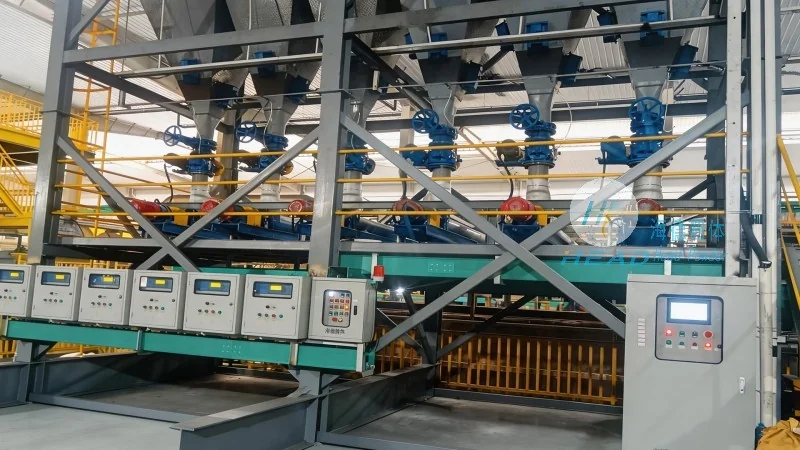
In conclusion, pneumatic conveying lines for mineral sand materials are a vital component of modern material handling solutions, offering a combination of efficiency, flexibility, and safety. The principles underlying these systems, combined with the specific characteristics of working scenes, enable their effective application in various industrial settings. As technology advances, ongoing research and development focus on enhancing system performance, reducing energy consumption, and improving material handling capabilities. For businesses in the mineral sand industry, investing in a well-designed pneumatic conveying system from a reputable provider like Shandong HeadPowder Engineering Co., Ltd. can lead to significant operational benefits and long-term cost savings.

 Shandong Headpowder Engineering Co., Ltd.
 156-6277-7102(Manager Zhang)
  0531-83386006
  Zhangqiu District, Jinan City, Shandong Province, China
telephone
WeChatconsult
top