With more than 10‑year industry experience, Shandong Headpowder delivers full‑service pneumatic‑conveying systems and blowers, undertaking nationwide turn‑key powder‑handling projects.
Rice husk, a byproduct of rice processing, is widely used in various industries for its renewable energy potential and industrial applications. The efficient handling and transportation of rice husk powder are crucial for optimizing production processes. Pneumatic conveying systems offer a reliable solution for moving these fine powders, and understanding their principles and operational characteristics is essential for selecting the right equipment for specific applications. This article provides an overview of the principles and working scene characteristics of rice husk powder pneumatic conveying lines, with a focus on the solutions offered by Shandong HeadPowder Engineering Co., Ltd., a leading provider of such systems in China.
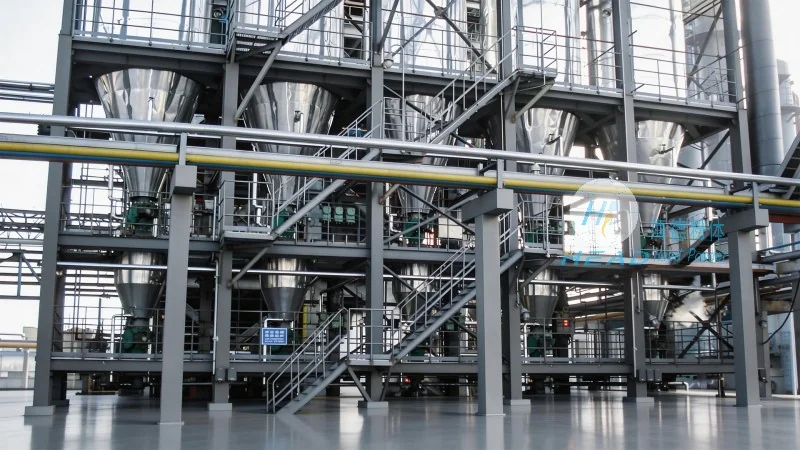
The core principle of pneumatic conveying involves transporting bulk materials through a pipeline using a gas stream, typically air. In the case of rice husk powder, the system operates by creating a pressure differential or using vacuum to move the material. The process can be categorized into two main types: pressure and vacuum systems. Pressure systems use positive pressure to push the material through the pipeline, while vacuum systems create a negative pressure to pull the material. For rice husk powder, which is often fine and can be prone to clogging, a well-designed system with appropriate air velocity and pipeline design is critical to ensure smooth and efficient transport. The air velocity must be sufficient to prevent material deposition on the pipeline walls but not so high as to cause excessive wear or energy consumption. The pipeline diameter and length also play a significant role in determining the system's performance, as they affect the pressure drop and overall efficiency.
A typical pneumatic conveying line for rice husk powder consists of several key components that work together to ensure effective operation. These include the material hopper, which stores the rice husk powder and provides a consistent feed; the conveyor pipeline, which transports the material from the hopper to the destination; the air compressor or vacuum pump, which generates the necessary air flow; and the control system, which regulates the pressure and flow rate. The material hopper is equipped with a feeder, such as a rotary valve or screw feeder, to control the flow rate of the powder into the pipeline. The pipeline is designed with appropriate diameters and bends to minimize pressure drop and prevent material accumulation. The air compressor or vacuum pump provides the energy to move the material, and the control system ensures that the system operates within safe and efficient parameters. The system may also include filters and cyclones to separate the air from the powder at the destination, ensuring that the material is delivered in a clean and dry state.
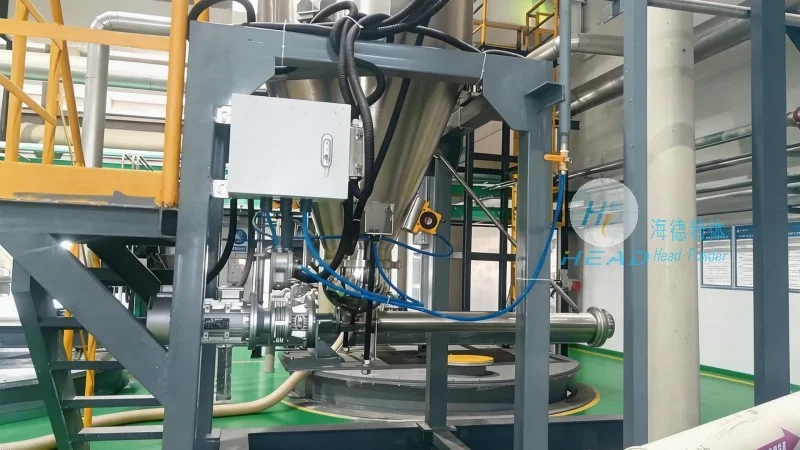
The working scene characteristics of rice husk powder pneumatic conveying lines vary based on the specific industrial application. For example, in power plants that use rice husk as a fuel source, the conveying system must handle large volumes of powder from storage silos to the boiler. The system needs to be robust and capable of handling high flow rates while maintaining low pressure drop to minimize energy consumption. In manufacturing facilities that use rice husk as a raw material for composite products, the conveying system may need to transport finer powder with higher precision, requiring a more controlled air flow and possibly a combination of pressure and vacuum stages. Additionally, in agricultural processing facilities, the system may need to handle varying moisture content and particle sizes, necessitating adjustable settings to prevent clogging and ensure consistent performance. The working environment, such as temperature and humidity, also affects the system's performance, as high humidity can cause the rice husk to clump together, leading to blockages in the pipeline.
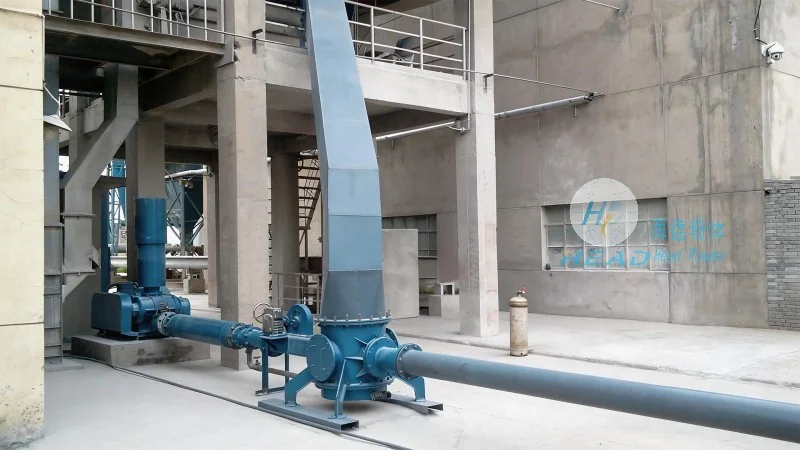
Implementing a pneumatic conveying system for rice husk powder offers several advantages, including the ability to transport materials over long distances without the need for intermediate storage or handling. The system is also relatively compact and can be integrated into existing production lines, saving space and reducing operational costs. Another advantage is the ability to handle fine powders without the need for mechanical components that could cause wear or contamination. However, there are considerations to keep in mind, such as the potential for material degradation due to friction and heat, especially for high-moisture rice husk. Proper insulation and temperature control in the pipeline can mitigate these issues. Additionally, the system requires regular maintenance to prevent clogging and ensure optimal performance. Regular cleaning of the pipeline and replacement of worn parts are essential to maintain efficiency and extend the system's lifespan. The cost of the system and its energy consumption are also important factors to consider, as they can impact the overall operational expenses.
Understanding the principle and working scene characteristics of rice husk powder pneumatic conveying lines is crucial for selecting and implementing an effective system for industrial applications. By considering the specific requirements of the application, such as material properties, flow rates, and distance, manufacturers can choose the appropriate system configuration. The key to successful operation lies in proper design, regular maintenance, and monitoring of the system's performance. With the right approach, pneumatic conveying systems can provide reliable and efficient transportation of rice husk powder, supporting the growth and sustainability of industries that utilize this renewable resource. Shandong HeadPowder Engineering Co., Ltd. specializes in designing and manufacturing customized pneumatic conveying systems tailored to the unique needs of rice husk powder handling, ensuring optimal performance and long-term reliability for their clients in China and beyond.

 Shandong Headpowder Engineering Co., Ltd.
 156-6277-7102(Manager Zhang)
  0531-83386006
  Zhangqiu District, Jinan City, Shandong Province, China
telephone
WeChatconsult
top