With more than 10‑year industry experience, Shandong Headpowder delivers full‑service pneumatic‑conveying systems and blowers, undertaking nationwide turn‑key powder‑handling projects.
HeadPowder, a leading manufacturer based in Shandong, China, specializes in the design and production of advanced fiber material handling systems. These systems are engineered to efficiently transport various types of fibrous materials, ensuring optimal performance in industrial applications. This article delves into the fundamental principles of such equipment and highlights the key characteristics of their operational environments.
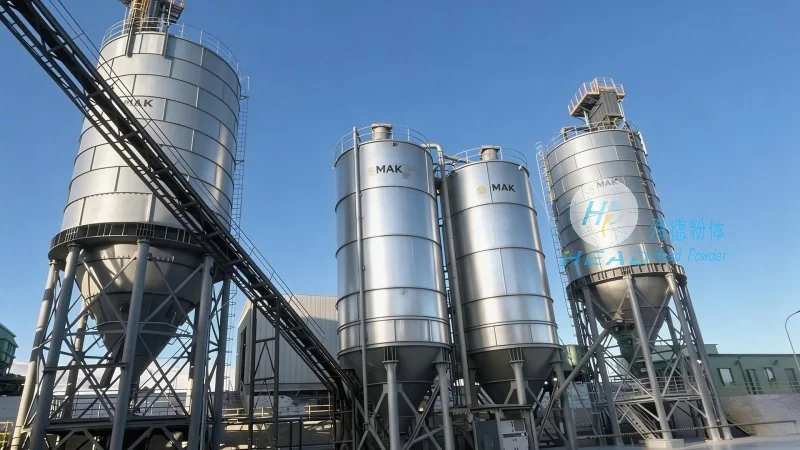
The operation of fiber material handling systems is built upon several core principles that ensure reliable and efficient material transport. The primary goal is to move fibrous materials from one location to another with minimal loss, contamination, or degradation. Key principles include:
1. Material Compatibility: Systems are designed to handle a wide range of fibrous materials, including but not limited to wood pulp, textile fibers, and agricultural fibers. This involves selecting appropriate components such as belts, rollers, and containers that are resistant to abrasion and compatible with the material's properties.
2. Controlled Motion: The systems employ mechanisms like conveyor belts, screw conveyors, and pneumatic transport to move materials in a controlled manner. This prevents material breakage and ensures uniform flow, which is crucial for maintaining material quality.
3. Energy Efficiency: Modern fiber handling systems are optimized for energy efficiency, reducing operational costs while maintaining performance. This is achieved through the use of variable speed drives, efficient motor systems, and well-designed system layouts.
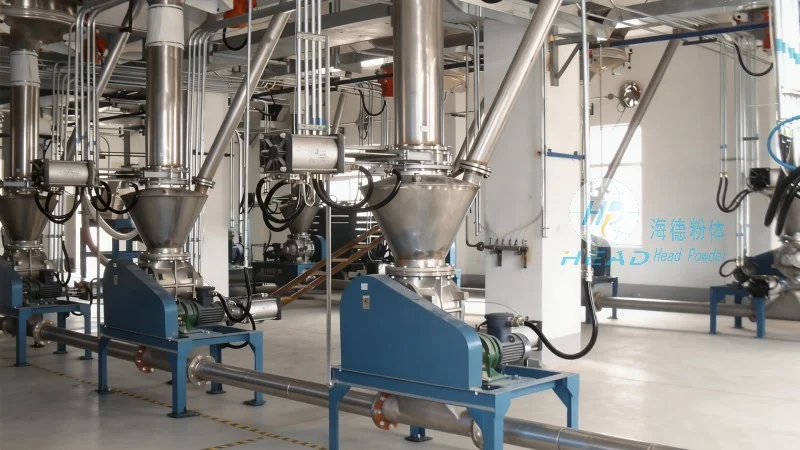
4. Safety and Maintenance: Safety features such as emergency stop buttons, protective guards, and regular maintenance schedules are integral to the design. These measures ensure the system operates safely and remains in optimal condition over time.
The operational environments where fiber material handling systems are deployed vary significantly, each presenting unique challenges and requirements. Understanding these characteristics is essential for selecting the right equipment and ensuring its effectiveness.
1. Industrial Manufacturing Plants: In manufacturing facilities, these systems are used to transport raw fibers to processing units and finished products to packaging areas. The working environment is typically characterized by high production volumes, strict quality control, and the need for continuous operation. Systems in this setting often feature automated controls and integration with other production lines.
2. Processing and Conversion Facilities: Processing plants, such as those involved in paper production or textile manufacturing, require systems that can handle large volumes of fibrous materials. The working scene here involves heavy-duty equipment, high-speed processing, and the need for precise material control to meet production targets.
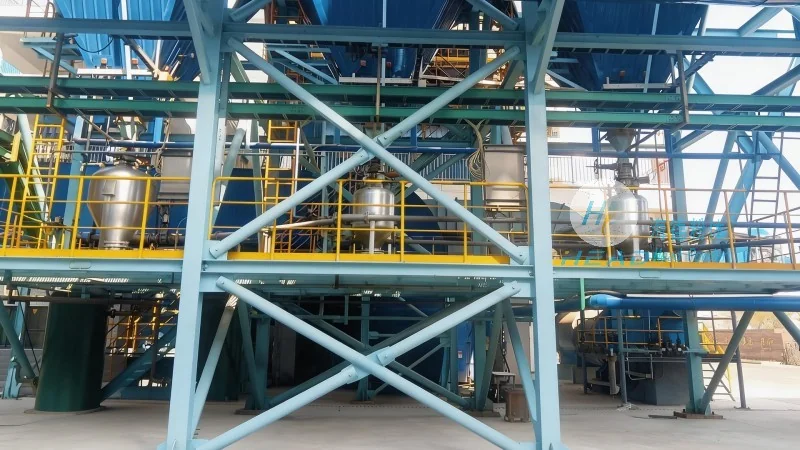
3. Storage and Distribution Centers: In storage and distribution centers, fiber handling systems are used to move materials between storage areas and loading docks. The working environment is characterized by frequent material movement, varying material types, and the need for efficient inventory management. These systems often include features like bulk handling and automated sorting.
4. Environmental and Waste Management Sites: Some fiber handling systems are used in environmental applications, such as the transport of waste fibers for recycling or disposal. The working scene in these environments is often more challenging due to the nature of the materials, requiring specialized equipment to handle contaminants and ensure compliance with environmental regulations.
HeadPowder's fiber material handling systems are designed to address the diverse needs of industrial applications. The company's expertise lies in creating customized solutions that meet specific operational requirements. Key features include:
1. Customizable Designs: Systems can be tailored to handle various fiber types and sizes, ensuring optimal performance for each application. This includes adjustable conveyor speeds, variable belt widths, and specialized containers.
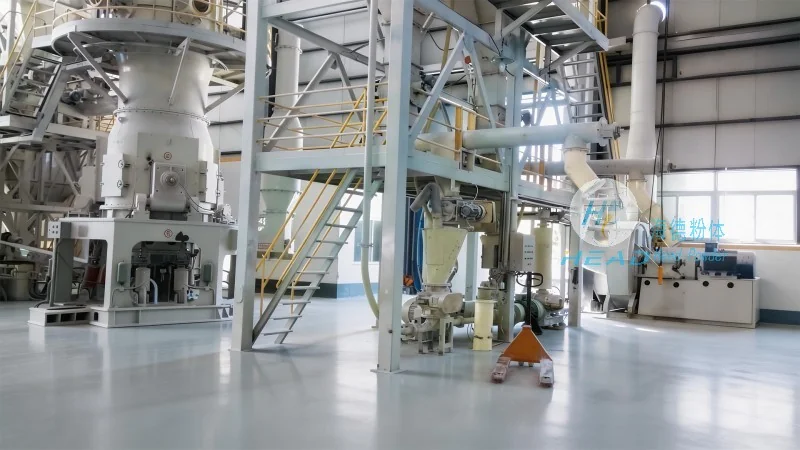
2. Advanced Control Systems: Modern control systems allow for real-time monitoring and adjustment of the system's operation. This enhances efficiency and allows for quick response to changes in material flow or production demands.
3. Robust Construction: Equipment is built with durable materials and components to withstand the rigors of continuous operation in demanding industrial environments. This ensures long service life and minimal downtime.
4. Energy-Efficient Technology: The use of energy-saving motors and efficient system designs reduces operational costs and environmental impact. This aligns with the growing demand for sustainable industrial practices.
Fiber material handling systems are critical components in many industrial processes, enabling the efficient and reliable transport of fibrous materials. HeadPowder, with its roots in Shandong, China, offers advanced solutions that are tailored to meet the specific needs of various working environments. By understanding the core principles and operational characteristics of these systems, industries can select the right equipment to enhance productivity, maintain material quality, and ensure safe and efficient operations.

 Shandong Headpowder Engineering Co., Ltd.
 156-6277-7102(Manager Zhang)
  0531-83386006
  Zhangqiu District, Jinan City, Shandong Province, China
telephone
WeChatconsult
top