With more than 10‑year industry experience, Shandong Headpowder delivers full‑service pneumatic‑conveying systems and blowers, undertaking nationwide turn‑key powder‑handling projects.
Automatic continuous material handling systems represent a cornerstone of modern industrial operations, providing efficient and seamless transport of materials across various stages of production and logistics. These systems are designed to maintain a continuous flow of goods, minimizing downtime and enhancing overall productivity by eliminating manual intervention between processing steps. The technology behind such systems integrates mechanical, electrical, and control components to achieve automated, uninterrupted movement of loads, making them indispensable in today's fast-paced industrial environments.
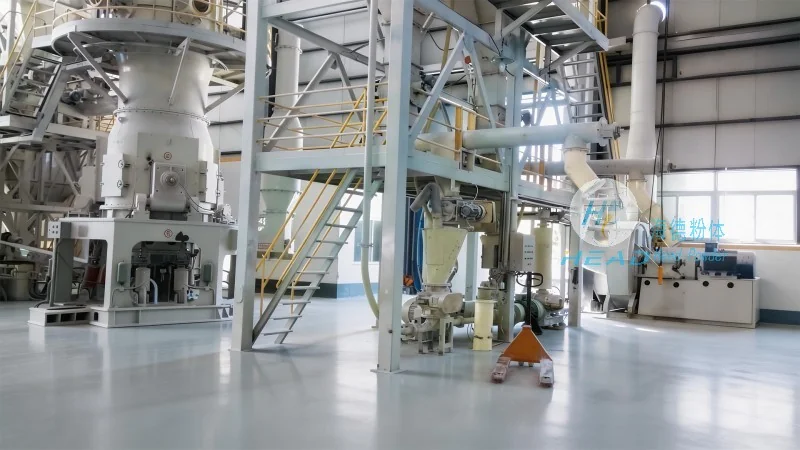
This section introduces the fundamental concept of automatic continuous material handling systems, which are essential in modern industrial operations for efficient and seamless material transport. These systems are designed to maintain a continuous flow of materials from one processing stage to another, minimizing downtime and enhancing overall productivity. The technology behind such systems combines mechanical, electrical, and control components to achieve automated, uninterrupted movement of goods.
The core principles of automatic continuous material handling systems revolve around the integration of conveyor technology, control systems, and material handling components. A typical system operates on the principle of continuous motion, where materials are transported along a fixed path without the need for manual intervention between stages. This is achieved through the use of motor-driven rollers, belts, or chains that move the load continuously. The control system, often based on programmable logic controllers (PLCs) or advanced software, coordinates the movement of different sections of the conveyor, ensuring synchronization and smooth operation. The design emphasizes reliability, durability, and adaptability to various material types and sizes.
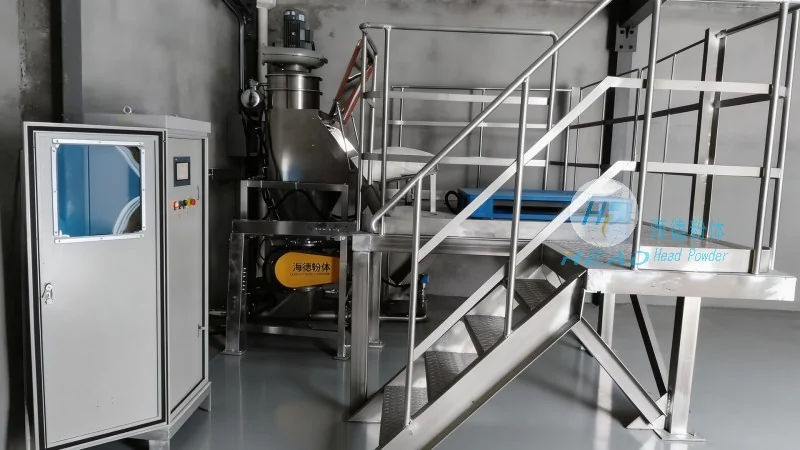
The key features of these systems include high load capacity, adjustable speed control, and modular design, which allows for customization to fit specific operational needs. Working scenarios range from manufacturing plants, where they are used to transport raw materials to assembly lines, to logistics centers, where they handle packaged goods for sorting and distribution. In industrial settings, the systems are integrated with other equipment, such as sorting machines or packaging units, to form a comprehensive material handling solution. The continuous operation ensures that materials are always in motion, reducing bottlenecks and improving workflow efficiency. For example, in a food processing facility, an automatic conveyor system can transport ingredients from storage to the production line, maintaining hygiene standards and ensuring consistent processing times.
Practical applications of automatic continuous material handling systems span multiple industries, including manufacturing, logistics, and food processing. In manufacturing, these systems are crucial for assembly line operations, where they transport components to workers or machines at precise intervals. In logistics, they are used in warehouses and distribution centers to move inventory between storage areas and shipping docks, facilitating order fulfillment and inventory management. The systems are also employed in pharmaceutical and chemical industries, where they handle sensitive materials with strict contamination control measures. The integration of these systems with existing infrastructure is seamless, as they can be retrofitted or newly installed to complement current operations without major disruptions.
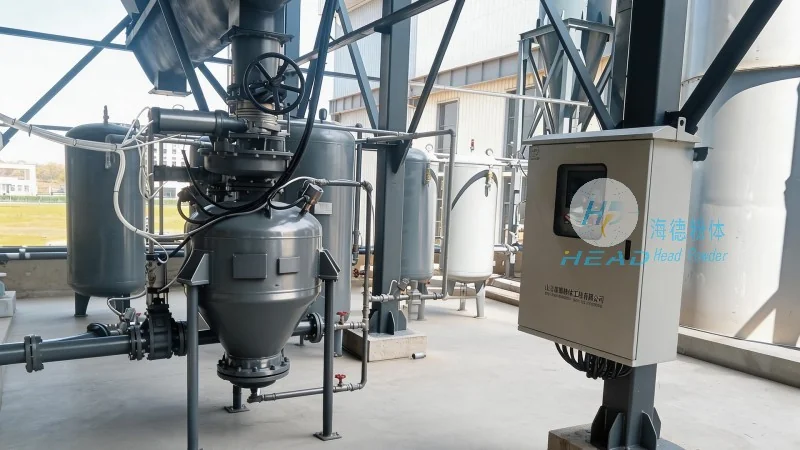
The technical advantages of automatic continuous material handling systems contribute significantly to operational efficiency and cost reduction. By eliminating manual handling, the systems reduce labor costs and minimize the risk of human error, which can lead to product damage or safety incidents. The continuous flow of materials also reduces lead times and improves inventory turnover, as materials move quickly from one stage to the next. Additionally, the modular design allows for easy expansion or modification, enabling businesses to adapt to changing production demands without replacing the entire system. The use of advanced control systems provides real-time monitoring and data analysis, allowing operators to optimize performance and identify potential issues before they become major problems.
Shandong HeadPowder Engineering Co., Ltd., a leading provider of material handling solutions, specializes in designing and manufacturing automatic continuous material handling systems tailored to the needs of various industries. With a strong focus on innovation and quality, the company has established itself as a trusted partner for businesses seeking reliable and efficient material transport solutions. HeadPowder's team of engineers and technicians brings extensive experience in industrial automation, ensuring that each system is designed to meet specific operational requirements and industry standards. The company's headquarters is located in Shandong, China, where it operates a state-of-the-art manufacturing facility equipped with advanced technology and stringent quality control processes. HeadPowder offers comprehensive support, including installation, maintenance, and technical assistance, to ensure that clients can maximize the performance and lifespan of their material handling equipment.

 Shandong Headpowder Engineering Co., Ltd.
 156-6277-7102(Manager Zhang)
  0531-83386006
  Zhangqiu District, Jinan City, Shandong Province, China
telephone
WeChatconsult
top