With more than 10‑year industry experience, Shandong Headpowder delivers full‑service pneumatic‑conveying systems and blowers, undertaking nationwide turn‑key powder‑handling projects.
HeadPowder, a leading provider of material handling solutions, specializes in the design, manufacturing, and installation of dry powder material conveying systems. These systems are essential for efficiently transporting bulk dry powders in various industrial applications. This article explores the fundamental principles behind these conveying lines and highlights the key characteristics of their operational scenarios.
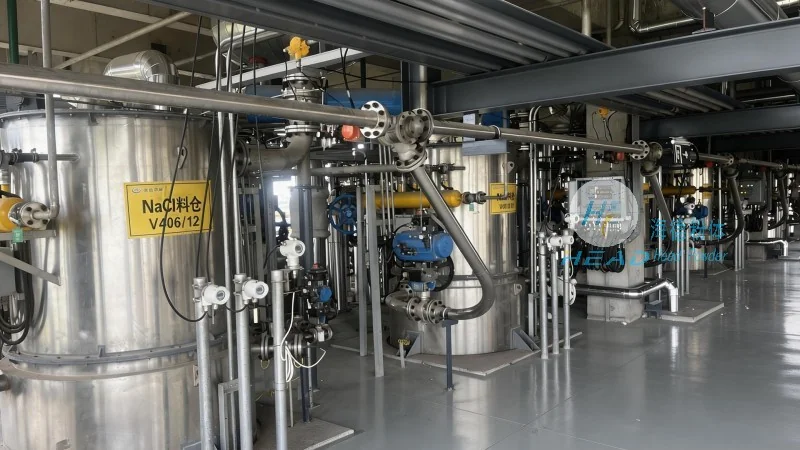
Dry powder material conveying lines operate on the principle of transporting bulk materials through a closed system, typically using air or mechanical force. The primary goal is to move powders from a source point to a destination point while maintaining product integrity, minimizing dust emissions, and ensuring operational efficiency. There are two main categories of dry powder conveying systems: pneumatic conveying and mechanical conveying.
Pneumatic conveying systems utilize air pressure to move powders. In this method, powders are suspended in a stream of air and transported through pipes. This approach is ideal for materials that are light, free-flowing, and non-abrasive. The system typically consists of a hopper, a feeder, a conveying line, and a receiver. The feeder controls the flow rate of the powder into the line, while the air pressure propels the material forward. Pneumatic systems can be further classified into pressure, vacuum, or combined pressure-vacuum systems, each tailored to specific material properties and application requirements.
Mechanical conveying systems, on the other hand, rely on mechanical components such as belts, screws, or buckets to transport powders. These systems are commonly used for heavier, more abrasive, or bulkier materials that may not be suitable for pneumatic conveying. For example, screw conveyors use rotating screws to push powders along a trough, while bucket elevators lift materials vertically using buckets attached to a chain or belt. Mechanical systems are often more cost-effective for short-distance transport and can handle a wider range of material types.
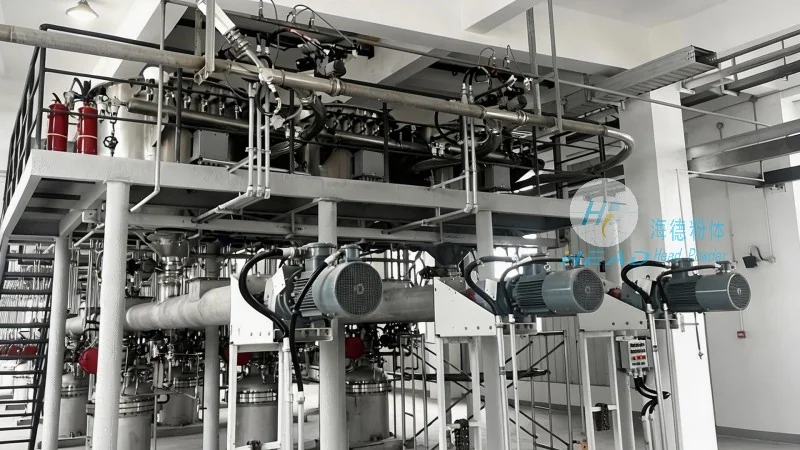
The operational scenarios of dry powder material conveying lines vary significantly based on the industry and the specific material being handled. Understanding these characteristics is crucial for selecting the right system for a particular application.
In the chemical industry, dry powder conveying lines are used to transport raw materials such as powders, granules, and pellets. The systems must be designed to handle potentially hazardous materials, ensuring proper containment and preventing cross-contamination. For example, in pharmaceutical manufacturing, the conveying lines must meet stringent hygiene standards, with components made from food-grade materials and easy-to-clean surfaces. This ensures that the powders remain uncontaminated and meet regulatory requirements for pharmaceutical products.
In the food and beverage industry, the focus is on maintaining product quality and safety. Dry powder conveying systems are used to transport ingredients like flour, sugar, and spices. The systems must be designed to prevent contamination from foreign materials and to maintain the freshness of the product. For instance, in the production of baked goods, the conveying lines are often equipped with filters and cleaning mechanisms to ensure that the powders are free from dust and debris. This is critical for maintaining the quality of the final product and meeting food safety regulations.
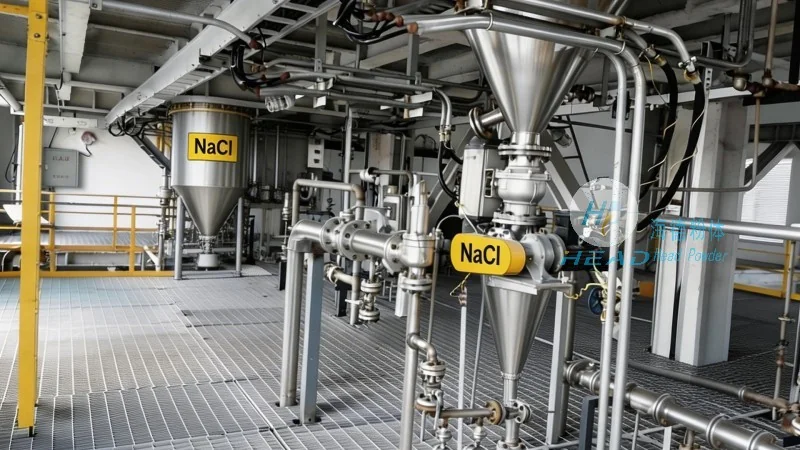
In the agricultural sector, dry powder conveying lines are used to transport fertilizers, seeds, and other agricultural products. These systems are typically designed for high-capacity and low-cost operation, as they need to handle large volumes of materials over long distances. The materials may be abrasive or have varying particle sizes, which requires the use of robust components and proper maintenance to ensure long-term reliability.
In the mining and minerals industry, dry powder conveying lines are used to transport raw ores and processed powders. The systems must be able to handle heavy, abrasive materials that can cause wear and tear on components. This often involves the use of high-quality materials for the conveying lines and regular maintenance to prevent breakdowns. The operational scenarios in this industry are characterized by high throughput and the need for durability and reliability.
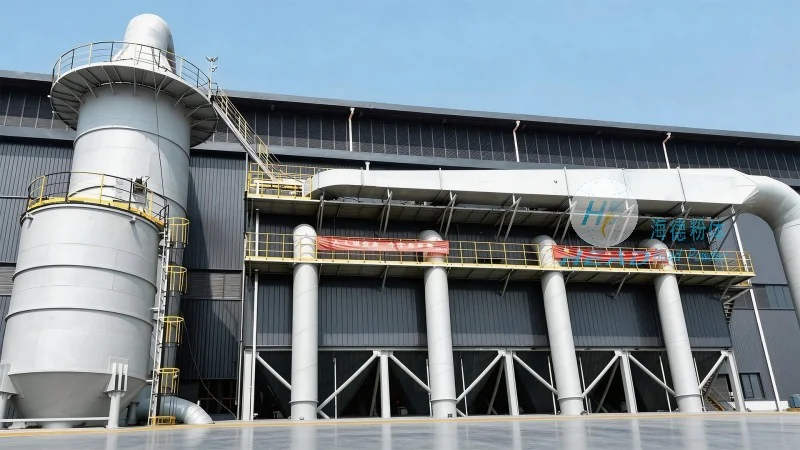
HeadPowder, headquartered in Shandong, China, is a professional engineering company dedicated to providing comprehensive material handling solutions. With years of experience in the industry, the company has developed a deep understanding of the unique challenges faced by different industries when it comes to dry powder material transport. The company's team of engineers and technicians work closely with clients to design customized conveying systems that meet their specific needs and operational requirements.
HeadPowder's commitment to quality and innovation is reflected in its state-of-the-art manufacturing facilities and rigorous quality control processes. The company uses advanced design software and testing equipment to ensure that each conveying system is optimized for performance, efficiency, and durability. This approach has helped HeadPowder establish a strong reputation in the market as a reliable partner for material handling solutions.
Whether you are in the chemical, food, agricultural, or mining industry, HeadPowder offers tailored dry powder material conveying lines that are designed to enhance your operational efficiency and product quality. The company's expertise in both pneumatic and mechanical conveying systems allows it to provide the best solution for any application, ensuring that your materials are transported safely and effectively.

 Shandong Headpowder Engineering Co., Ltd.
 156-6277-7102(Manager Zhang)
  0531-83386006
  Zhangqiu District, Jinan City, Shandong Province, China
telephone
WeChatconsult
top