With more than 10‑year industry experience, Shandong Headpowder delivers full‑service pneumatic‑conveying systems and blowers, undertaking nationwide turn‑key powder‑handling projects.
Shandong HeadPowder Engineering Co., Ltd., a leading manufacturer based in Shandong, China, specializes in the design, development, and implementation of advanced textile fiber material conveying systems. With a strong commitment to innovation and precision engineering, the company has established itself as a trusted partner for businesses operating in the textile and related industries. This article explores the fundamental principles underlying these systems and highlights the key characteristics that define their operational effectiveness in various industrial settings.
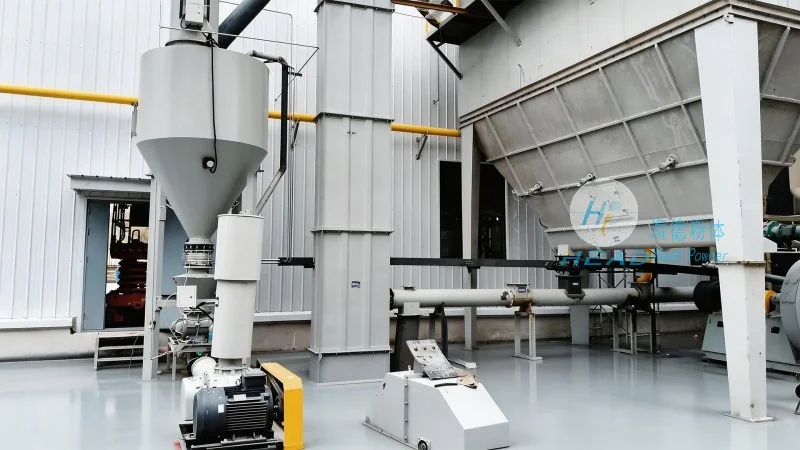
The core principle of textile fiber material conveying systems is to efficiently transport loose or bulk materials such as cotton, polyester, nylon, and other synthetic fibers from one location to another within a manufacturing facility or warehouse. These systems are engineered to handle the unique properties of textile fibers, including their lightweight nature, irregular shapes, and potential for static electricity. The primary mechanisms employed in these systems include pneumatic conveying, mechanical conveying, and vacuum-assisted transport. Pneumatic conveying uses compressed air to move materials through a network of pipes, while mechanical conveying relies on belts, rollers, or screw conveyors to physically move the fibers. Vacuum-assisted systems, on the other hand, create a negative pressure environment to draw materials into the conveying line. Each of these methods is chosen based on the specific characteristics of the fiber material, the distance to be covered, and the required throughput. The systems are typically equipped with components like hoppers, feeders, and control valves to regulate the flow of material, ensuring consistent and reliable operation. Additionally, features such as material separation, filtration, and dust collection are integrated to maintain cleanliness and prevent contamination, which is critical in textile processing environments. The design of these systems also considers factors like energy efficiency, maintenance requirements, and scalability to meet the evolving needs of industrial operations.
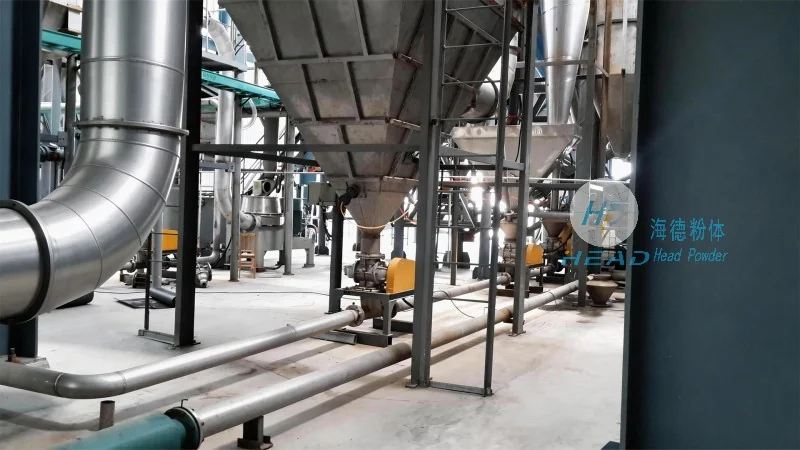
The effectiveness of textile fiber material conveying systems is significantly influenced by the specific working scenes in which they are deployed. These systems are commonly used in textile mills, where they play a crucial role in the supply chain from raw material reception to processing and packaging. In such settings, the systems are integrated into larger production lines, often working in conjunction with other machinery like carding machines, spinning machines, and weaving looms. The key characteristics that define their performance in these industrial environments include high throughput capacity, which allows for the rapid movement of large volumes of fibers, and the ability to handle diverse material types without compromising efficiency. Another important characteristic is the system's adaptability to different operational conditions, such as varying humidity levels or temperature fluctuations, which are common in textile processing facilities. The systems are also designed to minimize downtime and maintenance intervals, ensuring continuous operation and reducing production disruptions. Furthermore, the working scene characteristics include the need for precise material control, as even small variations in fiber flow can impact the quality of the final textile products. Advanced control systems and sensors are incorporated to monitor and adjust the conveying process in real-time, enhancing the overall reliability and performance of the system. The systems are also built to withstand the harsh conditions often encountered in industrial settings, including exposure to dust, moisture, and mechanical stress. This robust construction ensures long-term durability and minimal operational issues, making them a preferred choice for textile manufacturers seeking reliable material handling solutions.
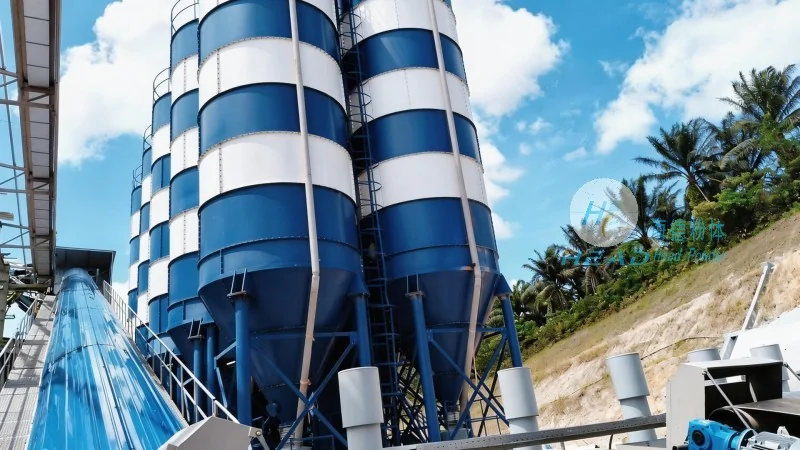
Textile fiber material conveying systems are tailored to meet the unique demands of various applications within the textile industry. For example, in the processing of natural fibers like cotton, the systems may incorporate additional features such as pre-cleaning mechanisms to remove impurities before the fibers enter the main conveying line. This is essential to maintain the quality of the final textile products, as impurities can affect the texture and durability of the fabric. In contrast, systems handling synthetic fibers may focus more on temperature control, as some synthetic materials are sensitive to heat during transport. The advantages of these systems extend beyond mere material transport; they also contribute to improved workplace safety by reducing the need for manual handling of heavy or bulky fiber loads. This not only enhances operational efficiency but also minimizes the risk of workplace injuries. Additionally, the systems are designed to be energy-efficient, with options for variable speed drives and energy recovery systems that help reduce operational costs over time. The integration of these features makes the systems not only effective but also economically viable for long-term use. Furthermore, the modular design of many textile fiber conveying systems allows for easy expansion or reconfiguration as production needs change, providing flexibility to adapt to evolving business requirements. This adaptability is a key factor in their widespread adoption across different textile manufacturing facilities.
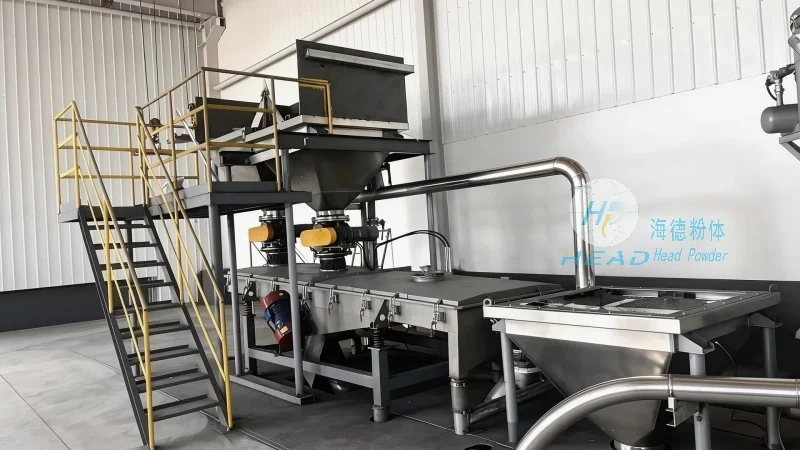
Textile fiber material conveying systems, as exemplified by the solutions offered by Shandong HeadPowder Engineering Co., Ltd., represent a critical component of modern textile manufacturing operations. By adhering to the fundamental principles of efficient material handling and leveraging advanced engineering techniques, these systems enhance productivity, improve product quality, and contribute to a safer working environment. The working scene characteristics, including high throughput, adaptability, and reliability, make them indispensable in today's competitive textile industry. As manufacturers continue to seek ways to optimize their operations, the continued development and refinement of these systems will remain essential. The expertise and innovation of companies like Shandong HeadPowder Engineering Co., Ltd. play a vital role in meeting these demands, ensuring that textile fiber material conveying systems remain at the forefront of industrial material handling solutions.

 Shandong Headpowder Engineering Co., Ltd.
 156-6277-7102(Manager Zhang)
  0531-83386006
  Zhangqiu District, Jinan City, Shandong Province, China
telephone
WeChatconsult
top