Common Sawdust Particle Conveying Methods: Advantages and Features of HeadPowder's Pneumatic Conveying System
Release time:2026-09-10 10:07:03
name of the company:Shandong Headpowder Engineering Co., Ltd.
telephone:156-6277-7102
contacts:Manager Zhang
When it comes to transporting sawdust particles, selecting the right conveying method is crucial for efficiency, cost-effectiveness, and operational safety. Various options exist, each with its own set of advantages and limitations. This article explores common sawdust particle conveying methods and highlights the superior features of HeadPowder's pneumatic conveying system, a leading solution in the industry.
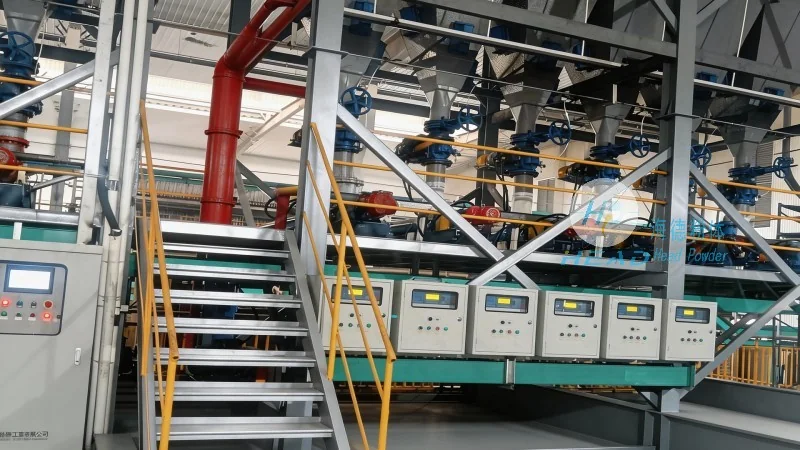
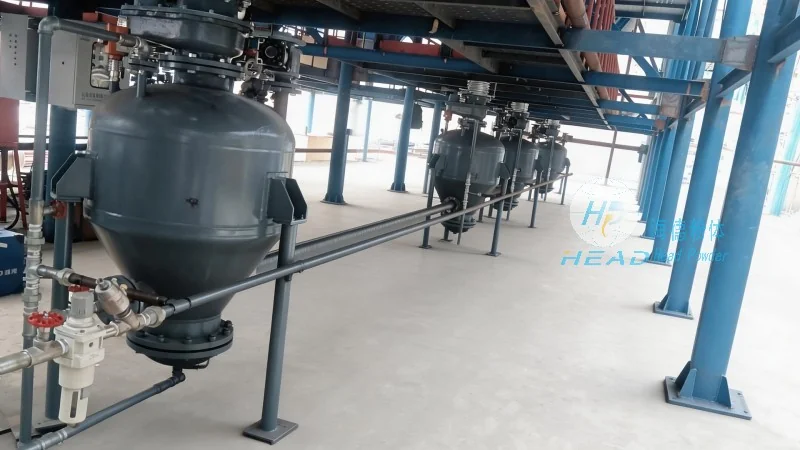
Overview of Common Sawdust Particle Conveying Methods
Conveying sawdust particles involves moving these fine, lightweight materials from one location to another. The primary methods used in industrial settings include:
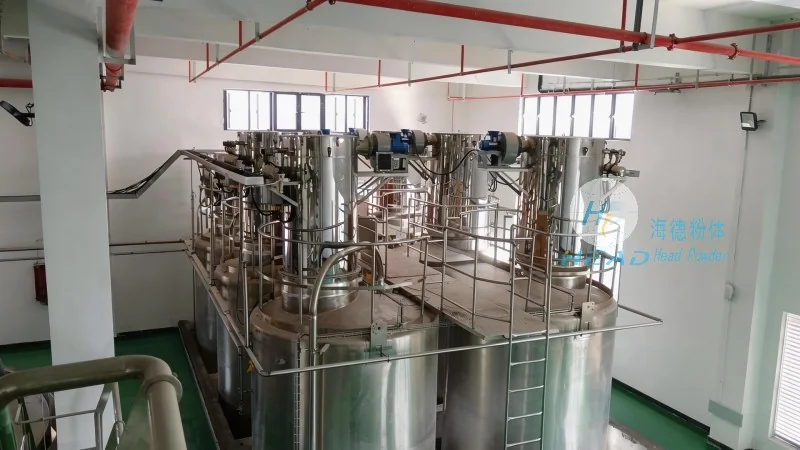
- Trunk and Branch Conveying: This system uses a main trunk line with branches to distribute material to multiple points. It's suitable for large-scale operations where material needs to be delivered to several destinations.
- Loop Conveying: A loop system circulates material through a closed loop, often used in applications requiring continuous material flow and minimal space constraints.
- Horizontal and Vertical Conveying: These systems handle material movement in straight lines or vertical lifts, depending on the layout of the facility. Horizontal conveyors are ideal for long-distance horizontal transport, while vertical conveyors are used for vertical elevation changes.
- Positive Pressure and Negative Pressure Conveying: Positive pressure systems blow air into the pipeline, pushing material forward. Negative pressure systems create a vacuum to draw material into the line. The choice between these depends on the material characteristics and system design.
HeadPowder's Pneumatic Conveying System: Key Advantages
HeadPowder, a leading manufacturer based in Shandong, China, specializes in advanced pneumatic conveying solutions for sawdust particles. Their system offers several distinct advantages over traditional methods:
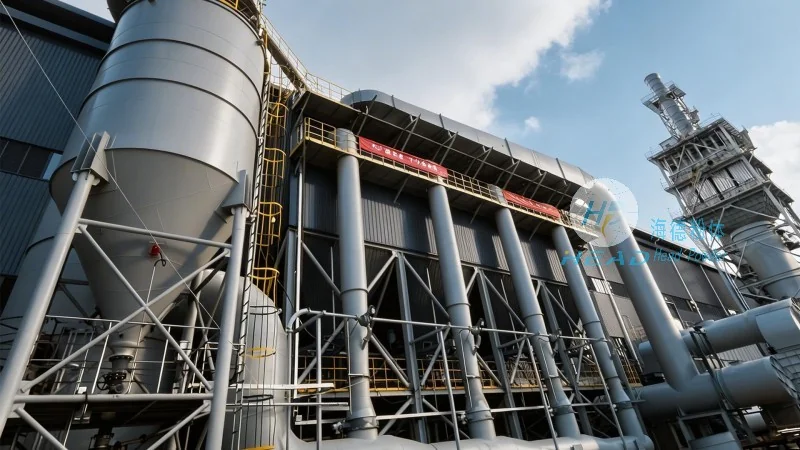
- Efficient Material Handling: The system efficiently handles sawdust particles, ensuring consistent flow rates and minimal material loss. This is achieved through optimized air velocity and pipeline design, which prevent material settling or blockages.
- Space Efficiency: Unlike traditional bulk handling methods that require extensive infrastructure, HeadPowder's pneumatic system is compact and can be installed in limited spaces. This makes it ideal for facilities with space constraints.
- Low Maintenance Requirements: The system features durable components and a design that minimizes wear and tear. This results in lower maintenance costs and longer equipment lifespan, providing long-term cost savings for users.
- Environmental Friendliness: By using compressed air to transport material, the system reduces the need for manual handling and minimizes dust emissions. This contributes to a cleaner working environment and compliance with environmental regulations.
- Customizable Solutions: HeadPowder offers tailored pneumatic conveying systems to meet specific operational needs. Whether for small-scale or large-scale applications, their solutions can be customized to optimize performance and efficiency.
Conclusion
Choosing the right sawdust particle conveying method is essential for industrial operations. While traditional methods like belt conveyors and screw conveyors have their uses, pneumatic conveying systems like HeadPowder's offer superior efficiency, flexibility, and cost-effectiveness. For businesses looking to enhance their material handling processes, HeadPowder's advanced pneumatic conveying system provides a reliable and innovative solution.

 Shandong Headpowder Engineering Co., Ltd.
 156-6277-7102(Manager Zhang)
  0531-83386006
  Zhangqiu District, Jinan City, Shandong Province, China