With more than 10‑year industry experience, Shandong Headpowder delivers full‑service pneumatic‑conveying systems and blowers, undertaking nationwide turn‑key powder‑handling projects.
Light calcium material conveying is a critical process in various industrial applications, particularly in the production of calcium carbonate products. The efficiency and effectiveness of this process directly impact the overall productivity and quality of the end products. This article explores the fundamental principles behind light calcium material conveying and highlights the key characteristics of different working scenarios where such systems are commonly employed. The information is presented by Shandong HeadPowder Engineering Co., Ltd., a leading provider in the field, with a focus on practical applications and technical insights.
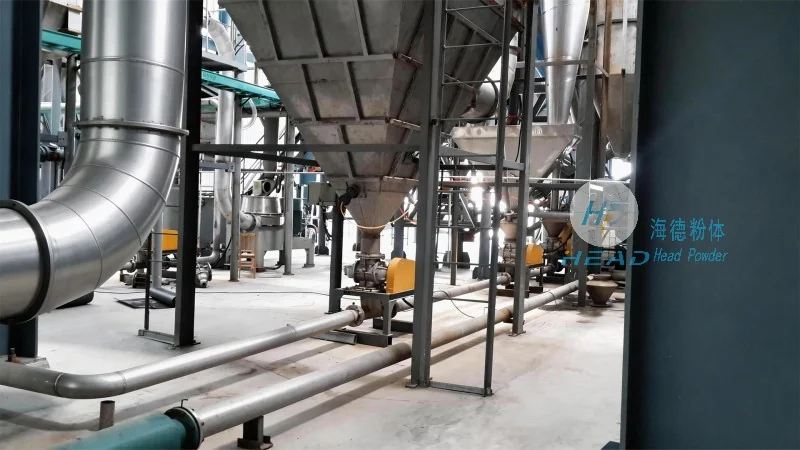
Shandong HeadPowder Engineering Co., Ltd., commonly known as HeadPowder, is a reputable enterprise based in Shandong, China. With years of experience in the engineering and manufacturing of material handling systems, HeadPowder specializes in solutions tailored for the conveying and processing of light calcium materials. The company's expertise lies in understanding the unique properties of light calcium, such as its low density, fine particle size, and potential for dust generation, and designing conveying systems that address these challenges effectively. By leveraging advanced technology and a deep understanding of industrial processes, HeadPowder provides customized solutions that enhance operational efficiency and ensure product integrity throughout the conveying process.
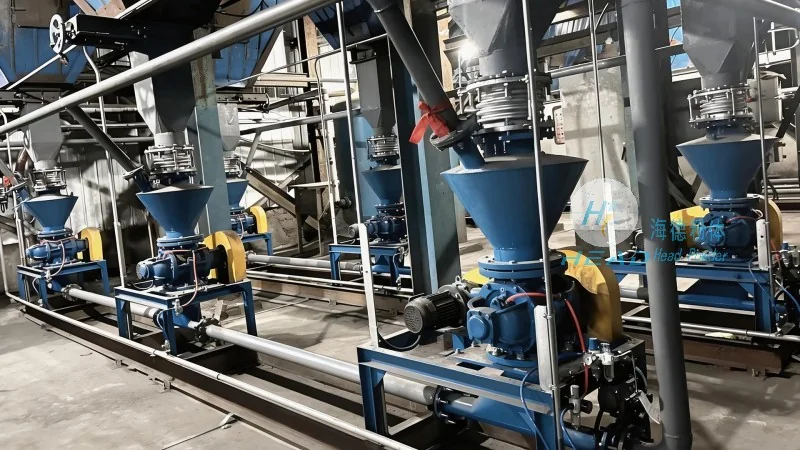
The core principle of light calcium material conveying involves the movement of fine, lightweight particles from one location to another using mechanical or pneumatic systems. Unlike heavier bulk materials, light calcium materials require specialized equipment to maintain flow and prevent issues like clogging or segregation. Common conveying methods include screw conveyors, pneumatic conveying systems, and bucket elevators, each with its own advantages and suitability for different scenarios. For instance, screw conveyors are ideal for horizontal or slightly inclined transport, while pneumatic systems are preferred for long-distance or vertical transport due to their ability to handle fine powders without the need for additional equipment like hoppers or chutes. The choice of conveying method depends on factors such as the material's characteristics, the distance to be covered, and the required flow rate. In pneumatic conveying, for example, the material is suspended in a stream of air and transported through pipes, which can be either positive or negative pressure systems. Positive pressure systems use a blower to push the material forward, while negative pressure systems use a vacuum to draw the material into the system. Both methods are effective for light calcium materials, but the selection often depends on the specific application and the need to minimize dust emissions or energy consumption.
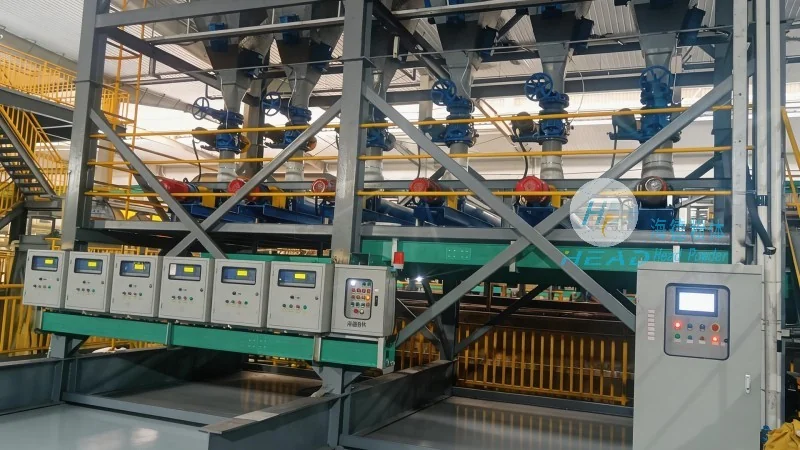
Light calcium material conveying is widely used in various industrial sectors, including chemical manufacturing, building materials production, and food processing. The working scene characteristics vary significantly based on the application and the environment in which the conveying system operates. In chemical plants, for example, light calcium materials are often used as a raw material in the production of coatings, plastics, and other chemical products. The conveying system in such a scenario must be designed to handle the material's fine particle size and potential for reactivity with other chemicals. This may involve the use of stainless steel or other corrosion-resistant materials for the conveying equipment to prevent contamination and ensure product purity. Additionally, the system must be equipped with dust collection and filtration systems to comply with environmental regulations and maintain a safe working environment. In building materials production, light calcium is commonly used as a filler in cement, plaster, and other construction materials. The conveying system in this context may need to handle larger volumes of material and operate in a more rugged environment, requiring robust equipment that can withstand heavy usage and potential wear from abrasive particles. The working scene characteristics also include considerations for space constraints, as many industrial facilities have limited room for large conveying systems. In such cases, compact and efficient systems like vertical screw conveyors or compact pneumatic units are preferred to maximize space utilization while maintaining high throughput. Another key characteristic is the need for consistent flow rates, as fluctuations in the material feed can lead to uneven product quality or system inefficiencies. Therefore, many conveying systems are equipped with control mechanisms that regulate the flow of material, ensuring a steady and reliable operation. The working scene characteristics also involve the integration of the conveying system with other processing equipment, such as mixers, grinders, or packaging machines. This integration requires careful planning to ensure smooth material transfer and minimize downtime. For example, in a production line where light calcium is mixed with other ingredients to form a final product, the conveying system must be synchronized with the mixing process to maintain the correct proportions and prevent overmixing or undermixing. The characteristics of the working scene also extend to the maintenance and operational aspects of the conveying system. Regular maintenance is crucial to prevent equipment failure and ensure long-term reliability. This includes cleaning the system to remove accumulated material, inspecting components for wear and tear, and performing routine checks on the motor and control systems. The working scene characteristics also highlight the importance of safety measures, as light calcium materials can be dusty and pose a risk of respiratory issues or other health hazards. Proper ventilation, dust collection systems, and personal protective equipment are essential to maintain a safe working environment. In summary, the working scene characteristics of light calcium material conveying are diverse and depend on the specific application and operational requirements. By understanding these characteristics and selecting the appropriate conveying system, industries can achieve efficient and reliable material handling, leading to improved productivity and product quality.

 Shandong Headpowder Engineering Co., Ltd.
 156-6277-7102(Manager Zhang)
  0531-83386006
  Zhangqiu District, Jinan City, Shandong Province, China
telephone
WeChatconsult
top