With more than 10‑year industry experience, Shandong Headpowder delivers full‑service pneumatic‑conveying systems and blowers, undertaking nationwide turn‑key powder‑handling projects.
When it comes to transporting lithium carbonate, selecting the right conveying method is crucial for efficiency, safety, and cost-effectiveness. Various options are available, each with its own set of advantages and limitations. Understanding these methods helps industries choose the most suitable solution for their specific needs. In this article, we explore common lithium carbonate conveying methods and highlight the benefits of HeadPowder's pneumatic conveying system.
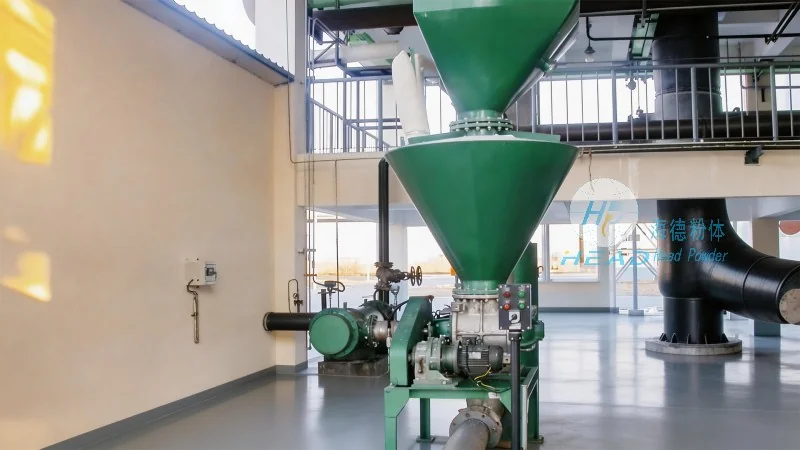
Lithium carbonate is a critical raw material in the production of lithium-ion batteries, which are essential for modern electronics and renewable energy storage. The process of moving this material from storage to processing equipment requires reliable and efficient conveying systems. Traditional methods include gravity flow, mechanical conveyors, and pneumatic systems. Each method has distinct characteristics that influence its application in different industrial settings.
Gravity conveying relies on the natural force of gravity to move materials down a sloped conveyor or chute. This method is often used for short distances and when the material is free-flowing and non-abrasive. For lithium carbonate, which is typically a fine powder, gravity systems can be effective in certain scenarios. However, they have limitations, such as the need for a suitable slope and the risk of material bridging or clogging in the chute. Additionally, gravity systems may not be suitable for vertical or long horizontal distances, as the material's flow rate is dependent on the slope angle and particle size.
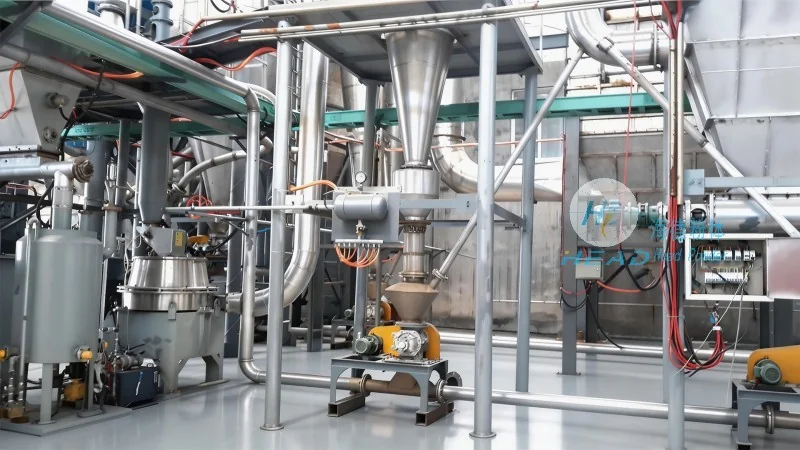
Mechanical conveyors, including belt conveyors, screw conveyors, and bucket elevators, are widely used in material handling. These systems use mechanical power to transport lithium carbonate. Belt conveyors are ideal for transporting bulk materials over long distances horizontally or at slight inclines. Screw conveyors are suitable for vertical or inclined transport and can handle fine powders, but they may cause segregation or degradation of the material if not properly designed. Bucket elevators are efficient for vertical transport but require regular maintenance to prevent wear and tear.
Pneumatic conveying, also known as air conveying, uses compressed air to transport materials through a pipeline. This method is particularly effective for lithium carbonate due to its ability to handle fine powders, abrasive materials, and even moisture. HeadPowder's pneumatic conveying system is designed to optimize the transport of lithium carbonate, offering several key advantages over traditional methods.
HeadPowder, a leading manufacturer of material handling equipment, specializes in providing advanced pneumatic conveying solutions for lithium carbonate. Their system is engineered to enhance efficiency, reduce maintenance costs, and improve overall process reliability. The key advantages of HeadPowder's pneumatic conveying system include:
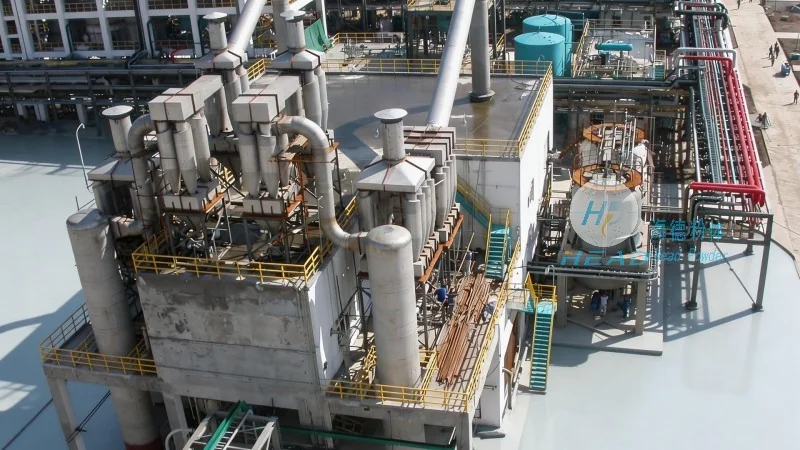
When selecting a conveying method for lithium carbonate, it is essential to consider factors such as material properties, distance, and operational requirements. While gravity and mechanical conveyors have their uses, pneumatic conveying offers superior performance and flexibility. HeadPowder's pneumatic conveying system stands out as a reliable and efficient solution for transporting lithium carbonate, supporting the needs of modern industrial applications.
For more information about HeadPowder's pneumatic conveying solutions, please contact us. We are committed to providing high-quality equipment that meets the demands of the lithium industry.

 Shandong Headpowder Engineering Co., Ltd.
 156-6277-7102(Manager Zhang)
  0531-83386006
  Zhangqiu District, Jinan City, Shandong Province, China
telephone
WeChatconsult
top