With more than 10‑year industry experience, Shandong Headpowder delivers full‑service pneumatic‑conveying systems and blowers, undertaking nationwide turn‑key powder‑handling projects.
When it comes to the efficient and reliable transportation of fine gray powders in industrial settings, specialized conveying systems play a crucial role. These systems are designed to handle materials with specific characteristics, ensuring optimal performance and minimal material loss. The following article explores the underlying principles of fine gray powder conveying equipment and highlights key working scene characteristics that define their application in various industries.
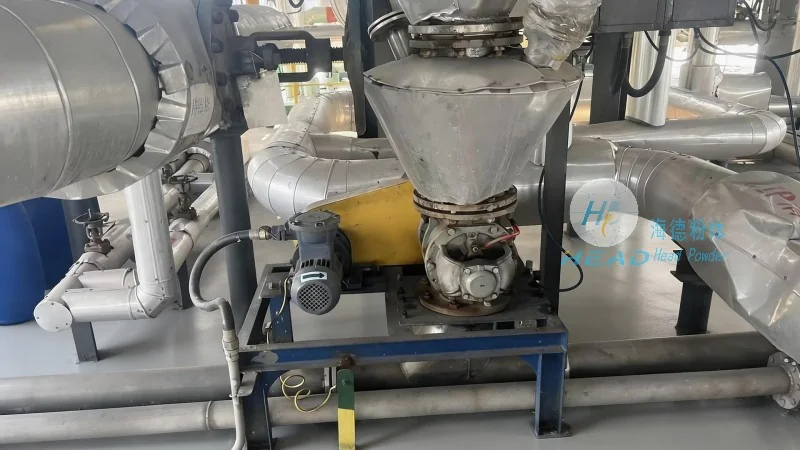
Fine gray powder conveying systems are engineered to transport powders with particle sizes typically ranging from a few microns to several hundred microns. The materials often include minerals, chemicals, or other granular substances that require gentle handling to prevent agglomeration or degradation. The core components of such systems usually consist of feeders, conveyors, and control mechanisms that work in tandem to ensure smooth material flow. Companies like Shandong HeadPowder Engineering Co., Ltd., based in China, specialize in the design and manufacturing of these systems, leveraging advanced engineering to meet diverse industrial needs.
The fundamental principle behind fine gray powder conveying systems is the use of mechanical forces to move material from a source to a destination. Common methods include pneumatic conveying, where air pressure is used to transport the powder through a pipeline, and mechanical conveying, such as screw conveyors or belt conveyors, which rely on rotating components to push the material forward. In pneumatic systems, the powder is suspended in a carrier gas, allowing it to be transported over long distances with minimal pressure drops. Mechanical systems, on the other hand, are often preferred for shorter distances or when the material is prone to clogging in pipelines. The choice of method depends on factors like material properties, distance, and operational requirements.
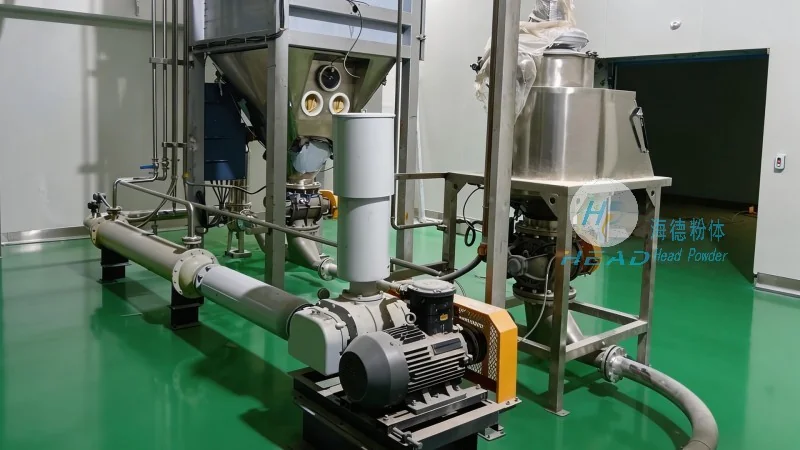
Working scene characteristics of fine gray powder conveying systems vary significantly based on the industry and application. For example, in the chemical industry, these systems are used to transport raw materials or finished products, often requiring high-purity and low-dust environments. In the mining sector, they handle mineral powders that may be abrasive or corrosive, necessitating robust equipment with corrosion-resistant materials. The pharmaceutical industry demands strict hygiene standards, leading to the use of closed systems that prevent contamination. Additionally, in food processing, the systems must comply with sanitary regulations, ensuring that the powder is handled without cross-contamination. Each working scene presents unique challenges, and the design of the conveying system must be tailored to address these challenges effectively.
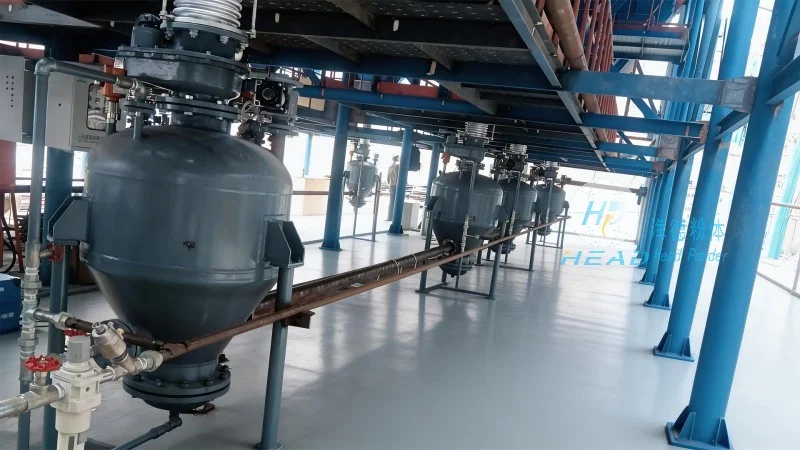
Modern fine gray powder conveying systems offer several key features that enhance their performance and reliability. These include adjustable flow rates to control material throughput, variable speed drives for precise control, and monitoring systems that provide real-time data on system performance. The use of high-quality materials, such as stainless steel or specialized polymers, ensures durability and resistance to corrosion or wear. Furthermore, the integration of automation and control systems allows for remote operation and predictive maintenance, reducing downtime and operational costs. The efficiency of these systems is also enhanced by their ability to minimize material degradation, which is critical for maintaining product quality in sensitive applications.
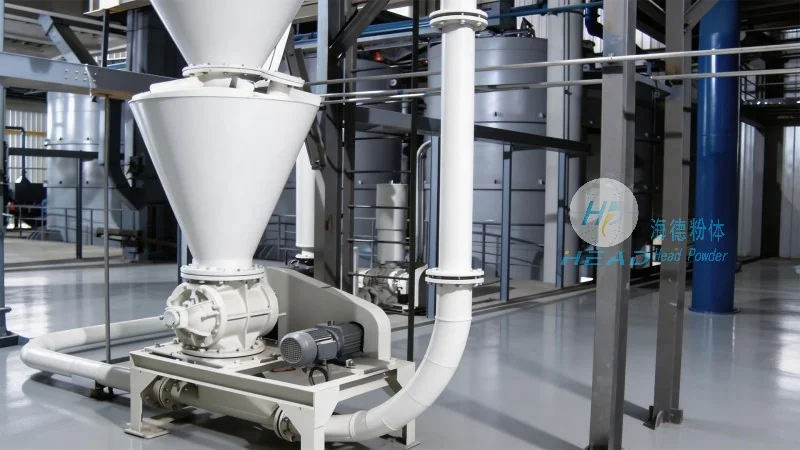
Fine gray powder conveying systems find applications in a wide range of industries. In the chemical industry, they are used to transport powders like calcium carbonate, titanium dioxide, or other additives used in manufacturing. In the mining industry, they handle mineral powders such as copper or iron ore, facilitating the processing of raw materials. The pharmaceutical industry utilizes these systems for transporting active pharmaceutical ingredients (APIs) or excipients, ensuring that the powders are handled under sterile conditions. In food processing, they are employed to convey ingredients like flour, sugar, or spices, maintaining product integrity and preventing contamination. Each application requires specific system configurations to meet the unique demands of the industry.
Fine gray powder conveying systems are essential components in many industrial processes, enabling the efficient and reliable transportation of fine powders. The principles of operation, combined with tailored working scene characteristics, make these systems versatile and adaptable to various applications. Companies like Shandong HeadPowder Engineering Co., Ltd., with their expertise in engineering and manufacturing, provide customized solutions that meet the specific needs of clients. By understanding the principles and characteristics of these systems, industries can optimize their material handling processes, improve efficiency, and ensure product quality.

 Shandong Headpowder Engineering Co., Ltd.
 156-6277-7102(Manager Zhang)
  0531-83386006
  Zhangqiu District, Jinan City, Shandong Province, China
telephone
WeChatconsult
top