With more than 10‑year industry experience, Shandong Headpowder delivers full‑service pneumatic‑conveying systems and blowers, undertaking nationwide turn‑key powder‑handling projects.
HeadPowder, a leading provider in the field of material handling solutions, specializes in the design, manufacturing, and implementation of advanced dust powder conveying systems. Based in Shandong, China, the company has established itself as a trusted partner for industries requiring efficient and reliable transport of fine powders and dusts. This article delves into the fundamental principles behind these systems and highlights the key characteristics of their operational environments.
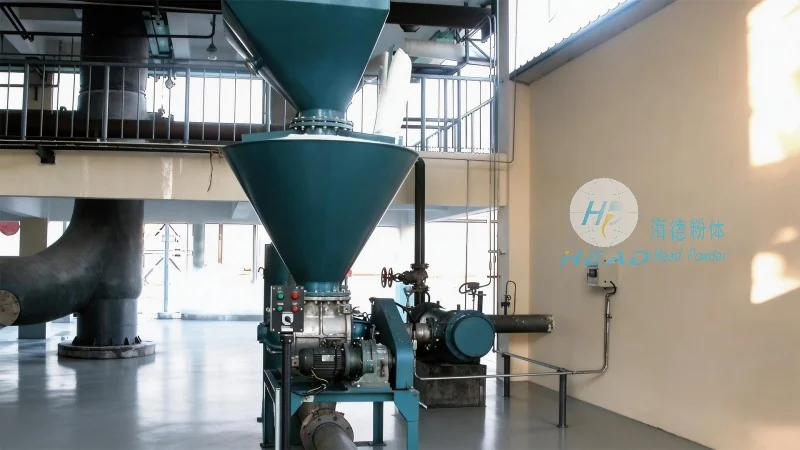
The primary function of a dust powder conveying line is to transport dry, particulate materials from one location to another within an industrial setting. These systems are engineered to handle materials such as cement, flour, chemicals, and other fine powders that are prone to dust generation and require controlled movement. The core principle revolves around the use of air or mechanical forces to move the material through a pipeline network. There are two main categories of conveying systems: pneumatic (air-driven) and mechanical (e.g., screw, belt, or bucket elevators). Pneumatic systems utilize compressed air to create a flow that carries the powder, while mechanical systems rely on physical components like screws or belts to push the material forward.
At the heart of a dust powder conveying line are several critical components that work in tandem to ensure efficient material transport. The main elements include a feeding device, a conveying medium (air or mechanical force), a pipeline system, and a discharge mechanism. The feeding device, such as a hopper or a rotary valve, introduces the powder into the system in a controlled manner, preventing blockages and ensuring a consistent flow. The conveying medium, whether air in pneumatic systems or mechanical parts in mechanical systems, propels the material through the pipeline. The pipeline itself is typically made of materials like stainless steel or plastic, chosen for their resistance to corrosion and ability to handle abrasive powders. Finally, the discharge mechanism, which may include a rotary valve or a hopper, releases the material at the destination point. The entire system is often equipped with control valves and sensors to monitor pressure, flow rate, and material level, allowing for real-time adjustments and maintaining optimal performance.
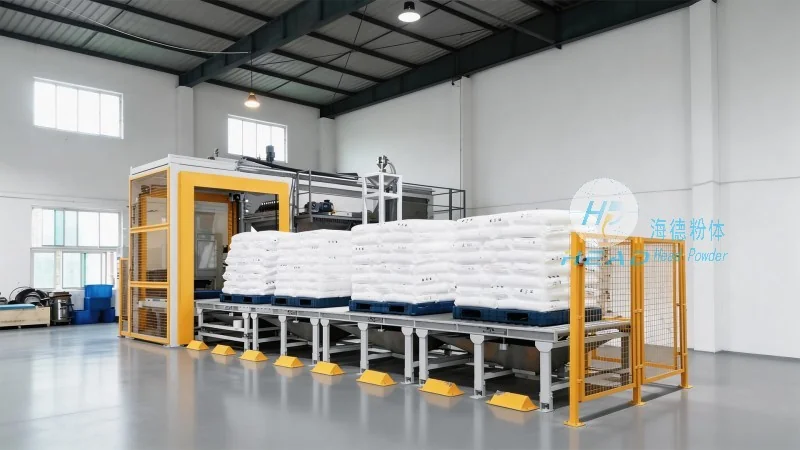
The operational environment of dust powder conveying lines is characterized by several distinct factors that influence their design and performance. Firstly, the nature of the material being conveyed is a critical consideration. Fine powders are often lightweight and can create dust clouds, which necessitates dust control measures such as filtration systems and sealed enclosures. Secondly, the scale of the operation plays a role, as large-scale industrial facilities may require multiple conveying lines to handle high volumes of material. Thirdly, the layout of the facility is important, as the pipeline network must be integrated seamlessly with existing equipment and infrastructure. Additionally, the system must be designed to handle variations in material properties, such as changes in moisture content or particle size, which can affect flow characteristics. Finally, safety is a paramount concern, as dust explosions and material handling hazards are common risks in such environments. Therefore, dust powder conveying lines are typically equipped with explosion-proof components and safety interlocks to mitigate these risks.
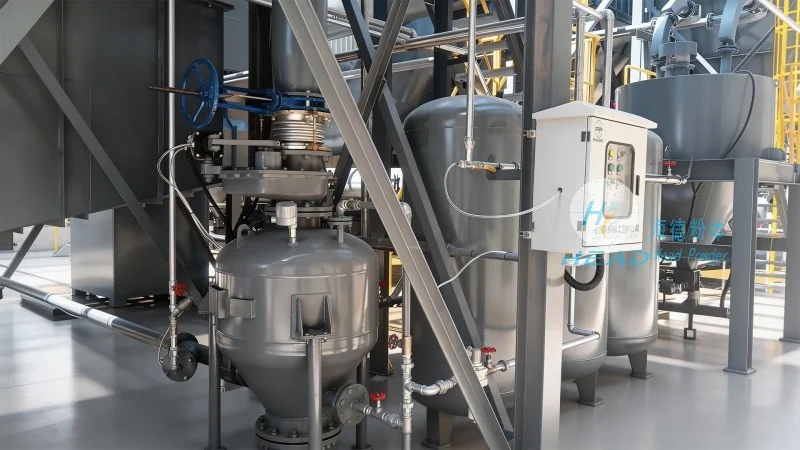
Dust powder conveying lines are widely used across various industries, including construction, food processing, chemical manufacturing, and pharmaceuticals. In the construction industry, they are essential for transporting cement and other dry materials to different parts of a building site. In food processing, they are used to move flour, sugar, and other ingredients between processing units and storage areas. In chemical manufacturing, they handle a range of powders, from raw materials to finished products, ensuring a continuous and controlled production process. The versatility of these systems makes them adaptable to different operational needs, whether it's a small-scale operation or a large industrial plant. By understanding the specific requirements of each industry, manufacturers can tailor the conveying line to meet the unique challenges and demands of the application.
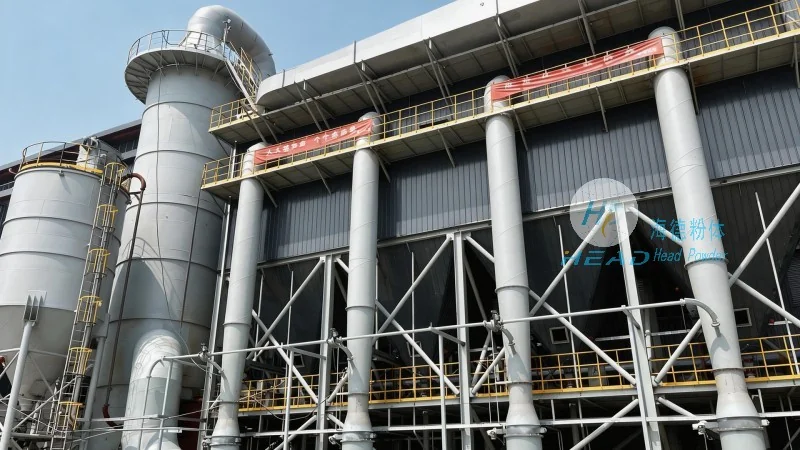
Implementing a dust powder conveying line offers several advantages, including increased efficiency, reduced labor costs, and improved safety compared to traditional manual handling methods. The automated nature of these systems minimizes the risk of human error and exposure to hazardous materials. Additionally, they can be integrated with other industrial processes, such as mixing and packaging, to create a seamless production line. However, there are also considerations to keep in mind when selecting and installing a conveying system. The choice between pneumatic and mechanical systems depends on factors like material properties, distance, and cost. Pneumatic systems are generally more suitable for short distances and high-volume transport, while mechanical systems are better for longer distances or materials that are difficult to handle with air. The initial investment and maintenance costs also vary between the two types, and these factors should be evaluated based on the specific needs of the operation.
In conclusion, dust powder conveying lines are a vital component of modern industrial operations, providing efficient and reliable transport of fine materials. The principles behind these systems, combined with their ability to adapt to various operational environments, make them an indispensable tool for industries that rely on the consistent movement of powders and dusts. As technology advances, manufacturers continue to develop more sophisticated and efficient conveying solutions, further enhancing their role in improving productivity and safety. For businesses in need of such systems, partnering with a reputable provider like Shandong HeadPowder Engineering Co., Ltd. ensures access to high-quality, customized solutions that meet the specific demands of their operations.

 Shandong Headpowder Engineering Co., Ltd.
 156-6277-7102(Manager Zhang)
  0531-83386006
  Zhangqiu District, Jinan City, Shandong Province, China
telephone
WeChatconsult
top