Principles and Working Scene Characteristics of Organic Fertilizer Powder Conveying
Release time:2026-09-19 02:01:29
name of the company:Shandong Headpowder Engineering Co., Ltd.
telephone:156-6277-7102
contacts:Manager Zhang
Organic fertilizer powder conveying is a critical process in the agricultural and fertilizer production industries, ensuring efficient movement of organic materials from storage to processing or application. The technology behind this process involves understanding the physical properties of organic powders and the most effective methods to transport them without degradation or loss. This article explores the fundamental principles of organic fertilizer powder conveying and highlights key working scene characteristics that define its application in real-world settings.
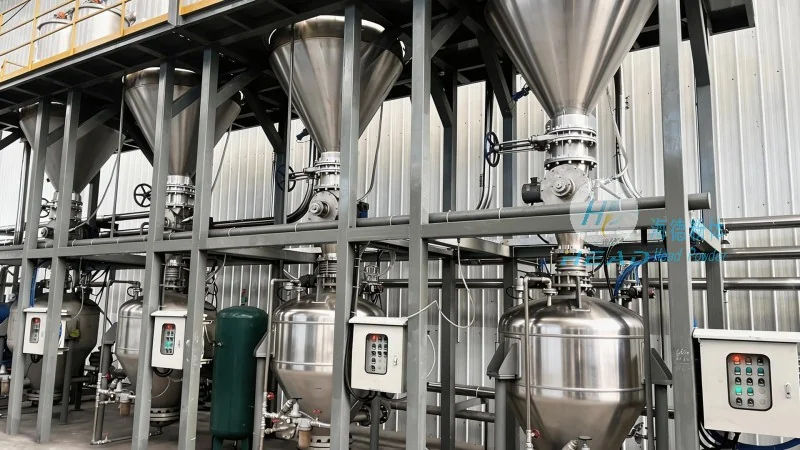
Understanding the Core Principles of Organic Fertilizer Powder Conveying
The primary principle of organic fertilizer powder conveying revolves around the ability to handle bulk materials, particularly organic powders that are often sensitive to moisture, temperature, and mechanical stress. Unlike liquid fertilizers, organic powders require specialized equipment to maintain their integrity during transport. The key principles include:
- Material Handling Efficiency: Ensuring that organic powders are moved with minimal breakage and loss, which is crucial for maintaining their nutrient content and quality.
- Energy Efficiency: Optimizing the conveying system to reduce operational costs while maintaining performance, which is vital for commercial fertilizer operations.
- Environmental Protection: Minimizing dust emissions and ensuring that the process complies with environmental regulations, as organic fertilizers are often produced from natural sources that require sustainable handling.
Two main categories of conveying systems are commonly used for organic fertilizer powders: pneumatic (air-assisted) and mechanical (e.g., screw conveyors, belt conveyors). Pneumatic systems use air to move particles through a pipeline, while mechanical systems rely on physical force to transport the material. The choice between these systems depends on factors such as the type of organic fertilizer, the distance of transport, and the required flow rate.
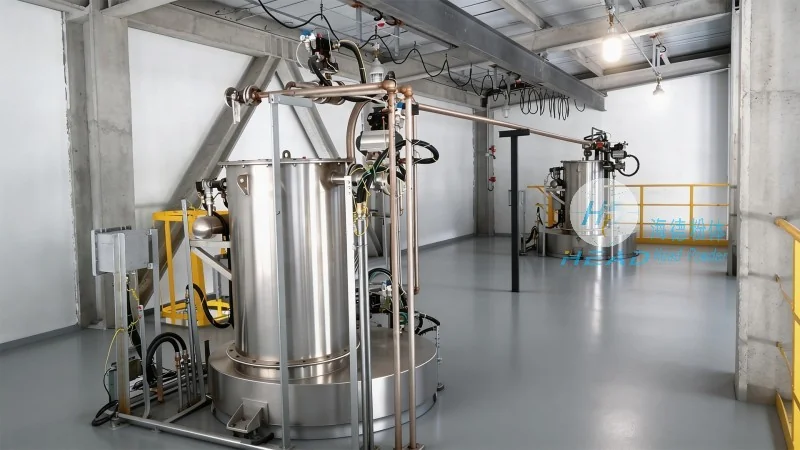
Working Scene Characteristics of Organic Fertilizer Powder Conveying
The application of organic fertilizer powder conveying varies significantly across different working scenes, each with unique requirements and challenges. The following are key characteristics that define these scenarios:
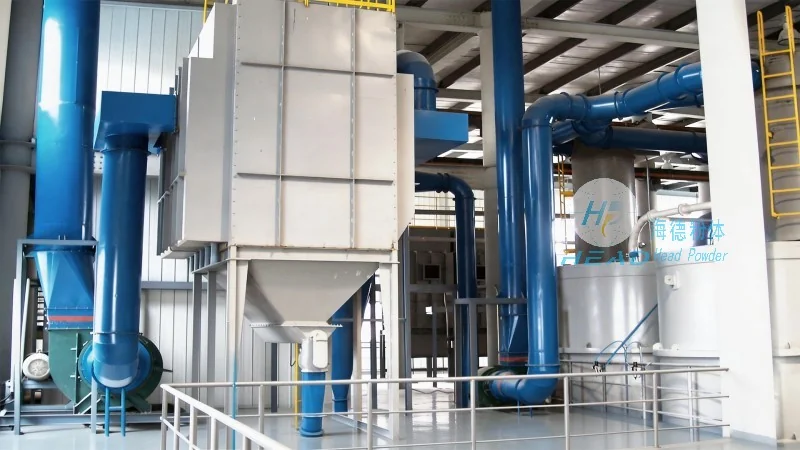
- Industrial Fertilizer Production Plants: In large-scale fertilizer manufacturing facilities, organic fertilizer powders are often conveyed from raw material storage to mixing and granulation units. The working scene here demands high-capacity systems capable of handling large volumes of material quickly and reliably. The presence of multiple processing lines and the need for precise dosing make the conveying system a critical component of the production workflow.
- Organic Farming and Agricultural Operations: For farms that use organic fertilizers, the conveying system may be integrated into the farm's infrastructure, moving materials from storage silos or piles to application equipment. The working scene in this context is more variable, as it involves smaller-scale operations and may require systems that can adapt to different application methods, such as spreaders or injectors.
- Transport and Distribution Centers: In logistics centers, organic fertilizer powders are conveyed to loading areas for transport to retail or wholesale customers. The working scene here emphasizes efficiency and speed, as the goal is to minimize downtime and ensure timely delivery. The system must also be capable of handling different packaging types, such as bulk bags or containers, to accommodate various distribution needs.
Each working scene presents distinct challenges, such as varying particle sizes, moisture content, and the need for hygiene in food-grade organic fertilizers. The design of the conveying system must be tailored to these specific requirements to ensure optimal performance and compliance with industry standards.
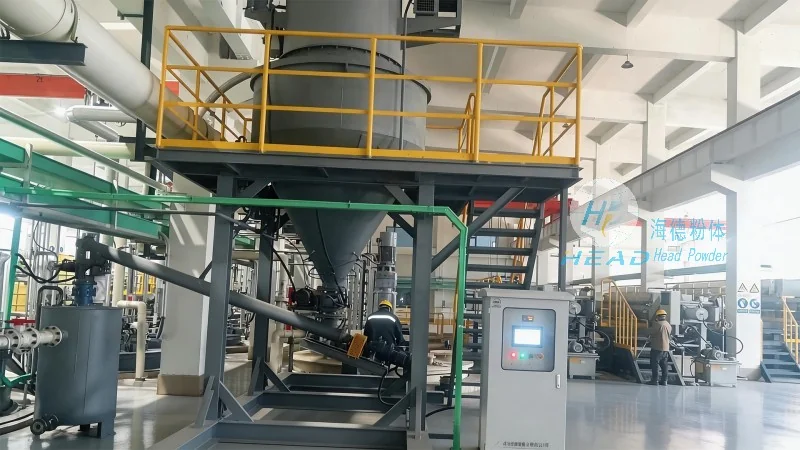
Key Factors Influencing Organic Fertilizer Powder Conveying Performance
Several factors influence the effectiveness of organic fertilizer powder conveying systems. These include:
- Particle Size and Density: Larger or denser particles may require more force to move, affecting the choice of conveyor type and speed. Organic fertilizers can vary widely in these properties, from fine powders to coarser granules.
- Moisture Content: High moisture levels can cause clumping or caking, which can block or damage the conveying system. Proper drying and conditioning of the material are essential to maintain system efficiency.
- Temperature Control: Some organic fertilizers are sensitive to temperature changes, which can affect their physical properties. Maintaining a stable temperature during transport is important to prevent degradation.
- System Integration: The integration of the conveying system with other equipment, such as mixers or storage silos, is critical for smooth operation. Proper synchronization and control systems ensure that the entire process runs efficiently without bottlenecks.
By addressing these factors, manufacturers and operators can optimize the performance of organic fertilizer powder conveying systems, ensuring consistent quality and reliability in their operations.

 Shandong Headpowder Engineering Co., Ltd.
 156-6277-7102(Manager Zhang)
  0531-83386006
  Zhangqiu District, Jinan City, Shandong Province, China