With more than 10‑year industry experience, Shandong Headpowder delivers full‑service pneumatic‑conveying systems and blowers, undertaking nationwide turn‑key powder‑handling projects.
When it comes to handling synthetic fibers, selecting the right conveying method is crucial for efficiency, safety, and overall operational performance. Synthetic fibers, such as polyester, nylon, and acrylic, are widely used in various industries, including textiles, automotive, and construction. However, their lightweight, fine nature, and sometimes abrasive properties make traditional conveying methods like belt conveyors or bucket elevators less effective. This is where pneumatic conveying systems, particularly those offered by Shandong HeadPowder Engineering Co., Ltd., come into play as a superior solution.
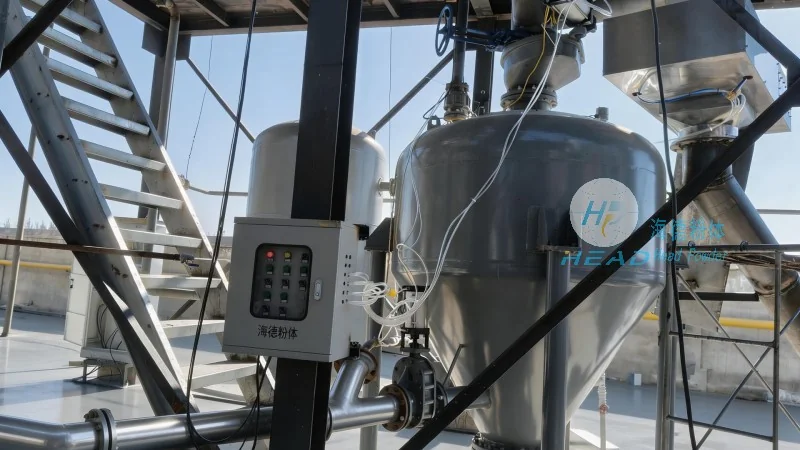
Synthetic fibers present unique challenges during material handling. Their fine particles can easily become airborne, leading to dust accumulation and potential health hazards. Additionally, these fibers are often sensitive to moisture and contamination, which can affect their quality and end-use performance. Traditional mechanical conveyors may cause fiber breakage or tangling, resulting in product loss and increased maintenance costs. Recognizing these challenges, many manufacturers are turning to advanced pneumatic conveying technologies to ensure reliable and efficient fiber transport.
Shandong HeadPowder Engineering Co., Ltd., a leading provider of material handling solutions, specializes in designing and manufacturing customized pneumatic conveying systems tailored for synthetic fibers. The company's expertise lies in understanding the specific properties of different synthetic fibers and adapting the conveying system to meet the unique demands of each application. With a focus on innovation and quality, HeadPowder offers a range of pneumatic conveying solutions that address the challenges associated with synthetic fiber handling.

HeadPowder's pneumatic conveying systems for synthetic fibers are engineered with several key features that enhance performance and reliability. One of the primary advantages is the ability to handle fine, lightweight particles without the need for high-pressure air, reducing energy consumption and operational costs. The systems are designed to minimize fiber breakage and tangling, ensuring that the material's integrity is maintained throughout the conveying process. Additionally, the enclosed design of the pneumatic system prevents dust emissions, improving workplace safety and compliance with environmental regulations. The company also incorporates advanced control systems that allow for precise flow control and monitoring, enabling operators to optimize the conveying process for maximum efficiency.
HeadPowder's pneumatic conveying solutions are widely used in various applications within the synthetic fiber industry. For example, in textile manufacturing, the systems efficiently transport raw fibers from storage silos to processing machines, ensuring a continuous and clean supply of material. In automotive and construction industries, the conveying systems handle synthetic fibers used in reinforcement materials, such as fiberglass or carbon fiber, where precision and minimal contamination are critical. The versatility of HeadPowder's systems allows them to be adapted for different fiber types, including short fibers, long fibers, and even composite materials, making them suitable for a broad range of industrial applications.
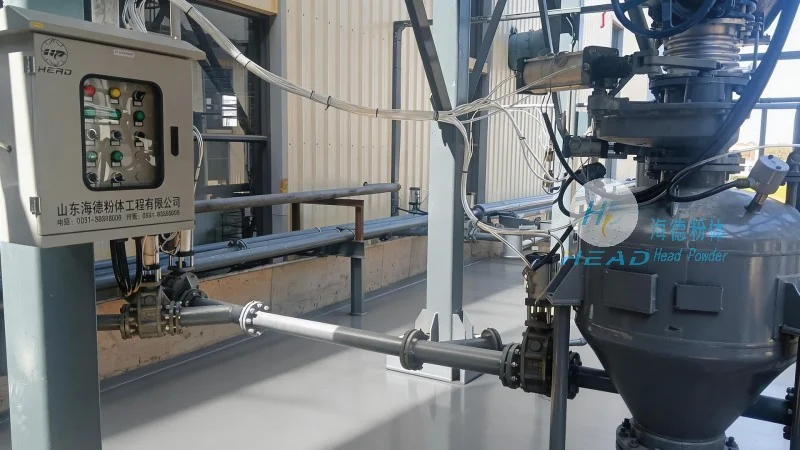
Implementing HeadPowder's pneumatic conveying systems for synthetic fibers offers numerous benefits for businesses. The most significant advantage is the improvement in operational efficiency, as the systems can handle high volumes of material with minimal downtime. The reduced need for manual handling and the elimination of dust-related issues lead to lower labor costs and improved workplace safety. Furthermore, the enclosed design of the systems helps maintain the quality of the synthetic fibers, preventing contamination and ensuring consistent product performance. The company's commitment to customization ensures that each system is tailored to the specific needs of the client, providing a solution that is both effective and cost-efficient.
In conclusion, the choice of conveying method for synthetic fibers is a critical decision that impacts the overall success of industrial operations. Traditional methods often fall short in addressing the unique challenges posed by these materials. Shandong HeadPowder Engineering Co., Ltd. provides advanced pneumatic conveying solutions that effectively overcome these challenges, offering a reliable and efficient way to handle synthetic fibers. By leveraging the expertise and innovation of HeadPowder, manufacturers can enhance their operational performance, improve product quality, and ensure compliance with safety and environmental standards. For businesses looking to optimize their synthetic fiber handling processes, HeadPowder's pneumatic conveying systems represent a superior choice.

 Shandong Headpowder Engineering Co., Ltd.
 156-6277-7102(Manager Zhang)
  0531-83386006
  Zhangqiu District, Jinan City, Shandong Province, China
telephone
WeChatconsult
top