With more than 10‑year industry experience, Shandong Headpowder delivers full‑service pneumatic‑conveying systems and blowers, undertaking nationwide turn‑key powder‑handling projects.
HeadPowder, a leading engineering firm based in Shandong, China, specializes in the design and implementation of advanced pneumatic conveying systems tailored for the food processing industry. This article explores the fundamental principles behind dried chili pepper pneumatic conveying lines and highlights the key characteristics of their operational environments.
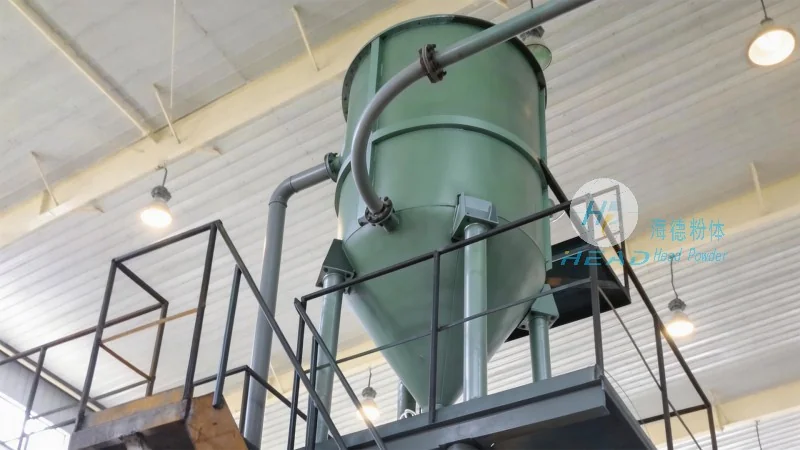
Pneumatic conveying is a method of transporting bulk materials, such as dried chili peppers, through a pipeline using air or gas as the conveying medium. The core principle involves creating a pressure differential within the system to move the material from the source to the destination. There are two primary types of pneumatic conveying systems: pressure and vacuum. Pressure systems use compressed air to push the material through the pipeline, while vacuum systems use a vacuum to pull the material. For dried chili peppers, which are often delicate and require gentle handling, a combination of these systems or a specialized design may be employed to ensure minimal product damage.
The effectiveness of a pneumatic conveying line for dried chili peppers depends on several critical components. These include the hopper or feeder, which feeds the material into the system; the conveyor itself, which transports the material through the pipeline; and the receiver or discharge unit, which collects the material at the end of the line. Additionally, components like rotary valves, filters, and dust collectors are essential for maintaining system efficiency and product quality. The design of these components must consider the physical properties of dried chili peppers, including their size, shape, and moisture content, to ensure optimal performance.
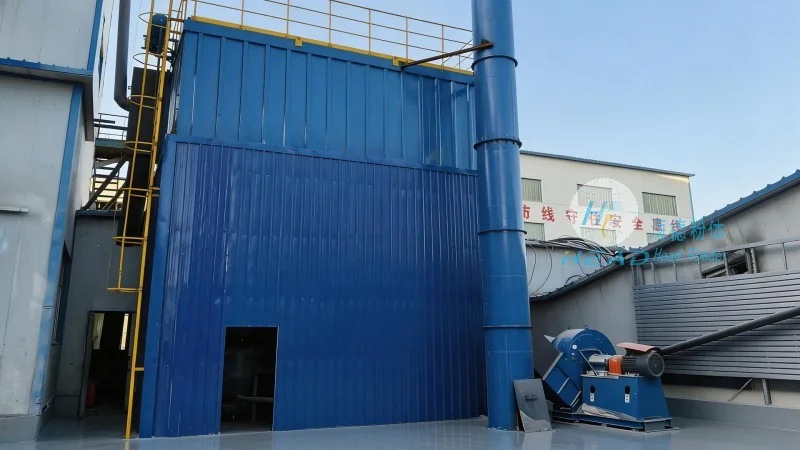
The operational environment of dried chili pepper pneumatic conveying lines in food processing facilities is characterized by several key factors. First, hygiene is paramount due to the food-grade nature of the product. The system must be constructed from materials that are easy to clean and sanitize, such as stainless steel, to prevent contamination. Second, efficiency is critical in high-volume processing environments, where the line must handle large quantities of dried chili peppers quickly and reliably. This often requires high-capacity systems with optimized air flow and minimal pressure loss. Third, flexibility is important, as the line may need to be adjusted to accommodate different product types or processing stages. For example, the system might need to transport dried chili peppers from a storage silo to a packaging line or from a processing unit to a storage area.
Implementing a pneumatic conveying line for dried chili peppers offers several advantages over traditional methods like belt conveyors or bucket elevators. One of the main benefits is the ability to handle delicate products without causing breakage or damage. The gentle movement within the pipeline reduces the risk of product degradation, which is crucial for maintaining the quality and flavor of dried chili peppers. Another advantage is the reduced need for manual handling, which improves workplace safety and reduces labor costs. Additionally, pneumatic conveying systems can be integrated with other processing equipment, such as grinding or sorting machines, to create a seamless production line. This integration enhances overall operational efficiency and streamlines the production process.
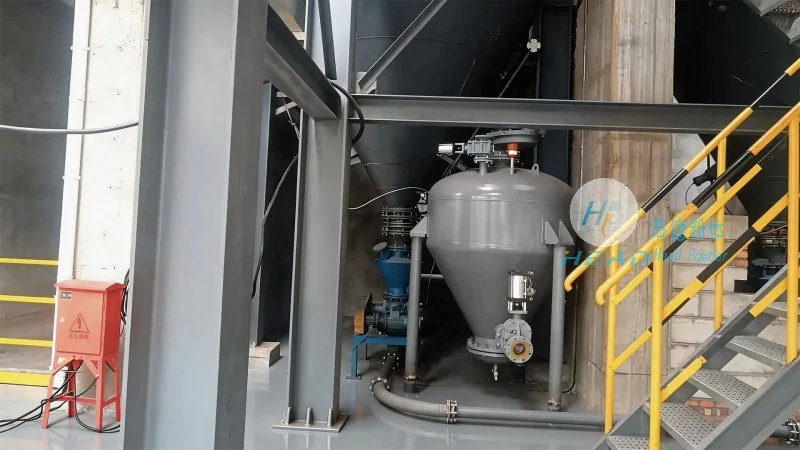
When designing and installing a dried chili pepper pneumatic conveying line, several factors must be carefully considered. The first is the material's properties, as mentioned earlier, which influence the choice of conveying system type and component materials. The second is the system's capacity, which must be matched to the production volume to avoid bottlenecks or underutilization. The third is the layout of the processing facility, as the pipeline must be routed efficiently to minimize space usage and avoid obstacles. Additionally, the system must comply with relevant food safety regulations and standards, such as those set by the FDA or local health authorities. Proper maintenance and regular inspections are also essential to ensure the system operates reliably and meets quality standards.
In conclusion, dried chili pepper pneumatic conveying lines are an effective and efficient solution for transporting bulk materials in food processing facilities. By understanding the fundamental principles of pneumatic conveying and considering the specific characteristics of dried chili peppers, engineers can design systems that maximize performance, minimize product damage, and ensure compliance with industry standards. HeadPowder, with its expertise in engineering and food processing, provides tailored solutions that meet the unique needs of clients in the dried chili pepper industry.

 Shandong Headpowder Engineering Co., Ltd.
 156-6277-7102(Manager Zhang)
  0531-83386006
  Zhangqiu District, Jinan City, Shandong Province, China
telephone
WeChatconsult
top