With more than 10‑year industry experience, Shandong Headpowder delivers full‑service pneumatic‑conveying systems and blowers, undertaking nationwide turn‑key powder‑handling projects.
HeadPowder, a leading provider in the field of material handling solutions, specializes in the design, manufacturing, and installation of advanced pneumatic conveying systems. With a strong presence in Shandong, China, the company has established itself as a trusted partner for industries requiring efficient and reliable material transport. This article delves into the principles behind lithium oxalate pneumatic conveying lines and highlights the key characteristics of their operational environments.
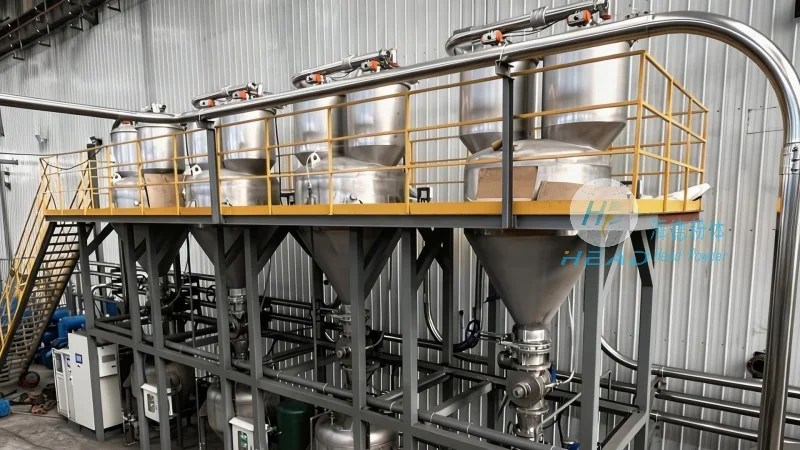
Lithium oxalate is a critical chemical compound widely used in various industrial applications, including battery manufacturing, pharmaceuticals, and chemical processing. The efficient and safe transport of this material is essential for maintaining production efficiency and ensuring product quality. Pneumatic conveying systems offer a solution by utilizing air pressure to move dry powders like lithium oxalate through pipelines, eliminating the need for mechanical components that may cause contamination or damage to the material.
The core principle of pneumatic conveying involves the use of compressed air to create a flow that transports the material. There are two primary types of pneumatic conveying systems: positive pressure and negative pressure. In positive pressure systems, air is blown into the conveying line, pushing the material forward. Negative pressure systems, on the other hand, create a vacuum that draws the material into the line. For lithium oxalate, which is a fine powder with specific handling requirements, a positive pressure system is often preferred due to its ability to maintain consistent air flow and prevent material degradation.
Key components of a lithium oxalate pneumatic conveying line include the material feeder, which ensures a steady flow of the powder into the system; the conveying line itself, which may be made of materials resistant to chemical corrosion, such as stainless steel or specialized plastics; and the air compressor, which provides the necessary pressure. The system also incorporates control valves and filters to regulate air pressure and maintain the purity of the conveyed material. Proper design of these components is crucial to ensure the efficient and safe transport of lithium oxalate, minimizing the risk of clogging, dust emissions, and material loss.
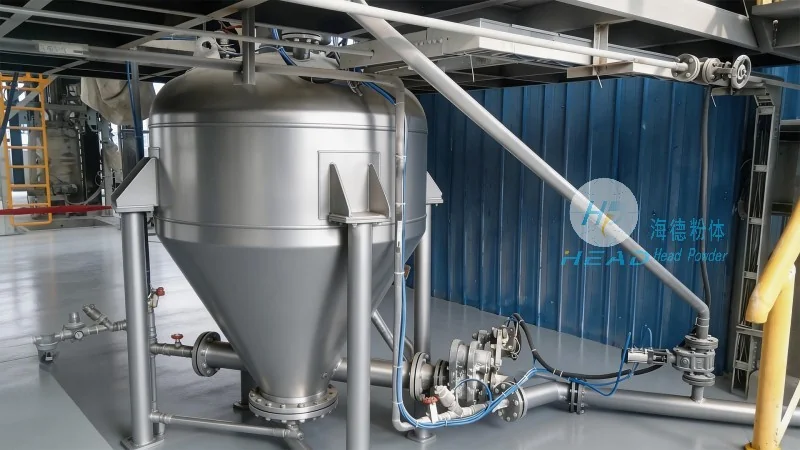
The operational environment of a lithium oxalate pneumatic conveying line is tailored to the specific needs of the industrial application. These systems are typically used in settings where the material needs to be moved over long distances or between different processing stages. For example, in battery manufacturing plants, lithium oxalate may be transported from storage silos to mixing and coating equipment. The working scene often involves high-volume, continuous operation, requiring the system to handle large quantities of material without interruption.
One of the key characteristics of the working scene is the emphasis on safety and environmental compliance. Lithium oxalate is a fine powder that can generate dust, which poses health risks and requires proper containment measures. Pneumatic conveying systems are designed with dust collection and filtration systems to minimize emissions and ensure a safe working environment. Additionally, the systems are often integrated with monitoring and control technologies to detect any anomalies, such as pressure drops or material blockages, and trigger automatic responses to prevent system failures.
Another important characteristic is the adaptability of the system to different production scales. Whether it's a small-scale laboratory setup or a large-scale industrial plant, the pneumatic conveying line can be customized to meet the specific requirements. This flexibility allows industries to scale their operations as needed, ensuring that the system remains efficient and cost-effective. The working scene also includes considerations for maintenance and downtime, as regular inspections and cleaning are necessary to maintain the system's performance and longevity.
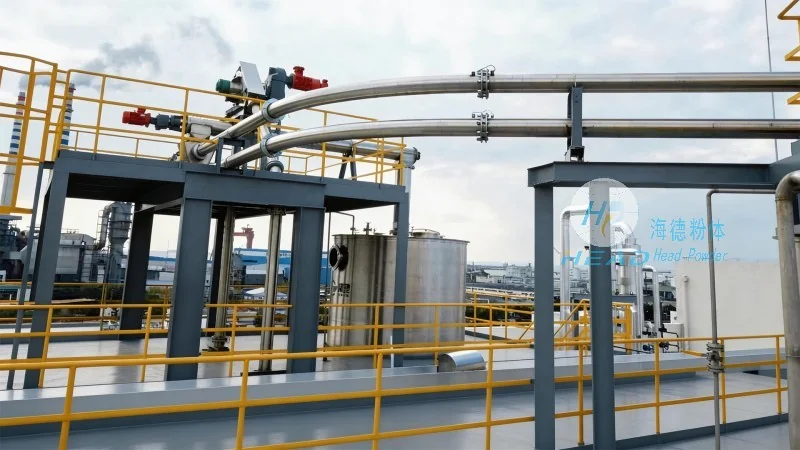
In real-world applications, lithium oxalate pneumatic conveying lines demonstrate high efficiency and reliability. The systems are capable of transporting large volumes of material at high speeds, reducing the time and labor required for manual handling. This not only improves production throughput but also enhances overall operational efficiency. The use of positive pressure systems ensures consistent material flow, minimizing the risk of clogs and downtime, which are common issues in traditional mechanical conveying methods.
Furthermore, the systems are designed to handle the specific properties of lithium oxalate, such as its fine particle size and potential for static charge. Anti-static measures are incorporated into the system to prevent material buildup and ensure smooth transport. The materials used in the construction of the conveying line, such as stainless steel, are resistant to corrosion and chemical reactions, ensuring the longevity of the system and the quality of the transported material.
Overall, the principles and working scene characteristics of lithium oxalate pneumatic conveying lines highlight the importance of specialized material handling solutions in modern industrial operations. By leveraging advanced pneumatic technology, industries can achieve efficient, safe, and reliable transport of critical materials like lithium oxalate, supporting their production processes and meeting the demands of their markets.

 Shandong Headpowder Engineering Co., Ltd.
 156-6277-7102(Manager Zhang)
  0531-83386006
  Zhangqiu District, Jinan City, Shandong Province, China
telephone
WeChatconsult
top