With more than 10‑year industry experience, Shandong Headpowder delivers full‑service pneumatic‑conveying systems and blowers, undertaking nationwide turn‑key powder‑handling projects.
HeadPowder, a leading provider of industrial material handling solutions, specializes in the design and manufacturing of advanced pneumatic conveying systems tailored for diverse applications, including the efficient transport of dolomite. This article delves into the fundamental principles governing dolomite pneumatic conveying equipment, alongside an exploration of its key working scene characteristics that enhance operational efficiency and reliability in industrial settings.
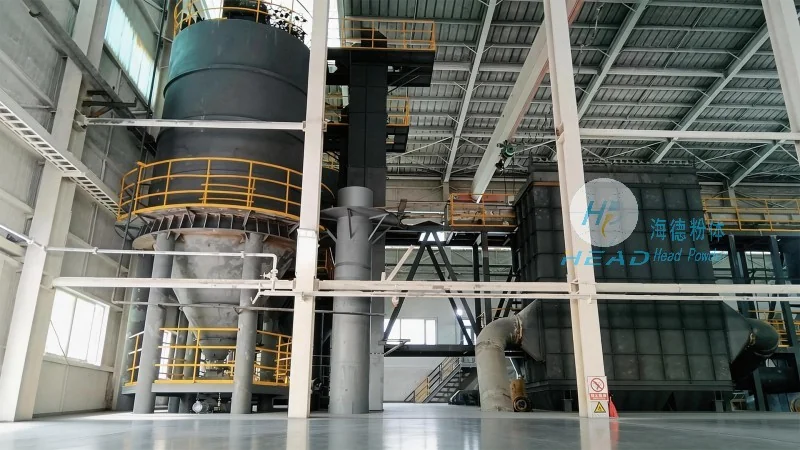
Dolomite, a calcium magnesium carbonate mineral widely used in industries such as construction, steel production, and chemical manufacturing, poses unique challenges during material handling due to its particle size, density, and flow characteristics. Traditional bulk material handling methods often struggle with dust generation, blockage risks, and energy inefficiencies when dealing with dolomite. Pneumatic conveying technology addresses these challenges by utilizing compressed air to transport dry bulk materials in a sealed system, offering a dust-free, low-maintenance solution that aligns with modern industrial standards.
The fundamental principle of dolomite pneumatic conveying involves the creation of a pressure differential between the material inlet and outlet. Compressed air is introduced into the conveying line, generating a flow that lifts and propels dolomite particles through the system. This process relies on the interaction between air velocity, particle size, and air density to ensure stable and continuous material transport. Key components of the system include the hopper, which stores dolomite, the airlock or rotary valve for controlled material discharge, the conveying line, and the receiver where the material is deposited. The design of these components is critical to optimizing the conveying efficiency of dolomite, as improper sizing or configuration can lead to reduced throughput or system blockages.
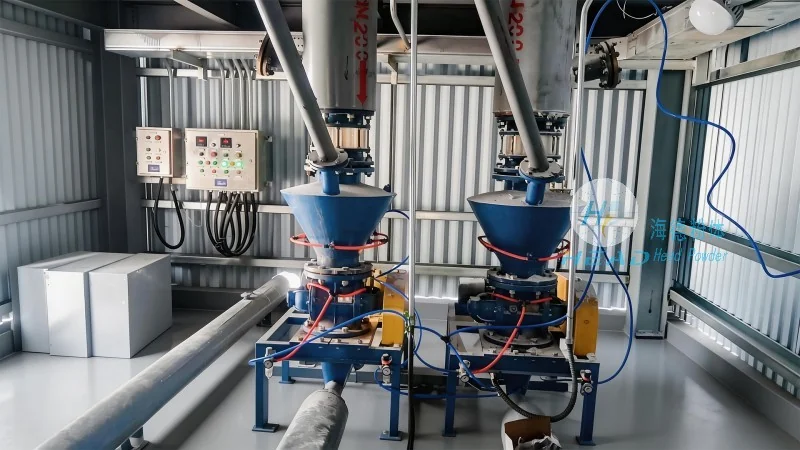
The working scene characteristics of dolomite pneumatic conveying equipment are tailored to meet the demands of specific industrial environments, ensuring seamless integration with production workflows. These characteristics include:
One of the most significant advantages of pneumatic conveying for dolomite is its ability to maintain a dust-free environment. Unlike mechanical conveyors, which generate considerable dust during material movement, pneumatic systems operate within a sealed pipeline, containing particulate emissions and minimizing the risk of dust-related health hazards or equipment contamination. This feature is particularly valuable in facilities where air quality regulations are stringent or where product purity is critical, such as in pharmaceutical or food processing applications.
Dolomite pneumatic conveying systems are highly adaptable to varying particle sizes and moisture content, making them suitable for a wide range of industrial applications. Whether handling fine powders or coarse granules, the system can be configured to accommodate different dolomite specifications. This versatility allows HeadPowder to customize solutions for clients with diverse production needs, ensuring optimal performance regardless of the material's physical properties.
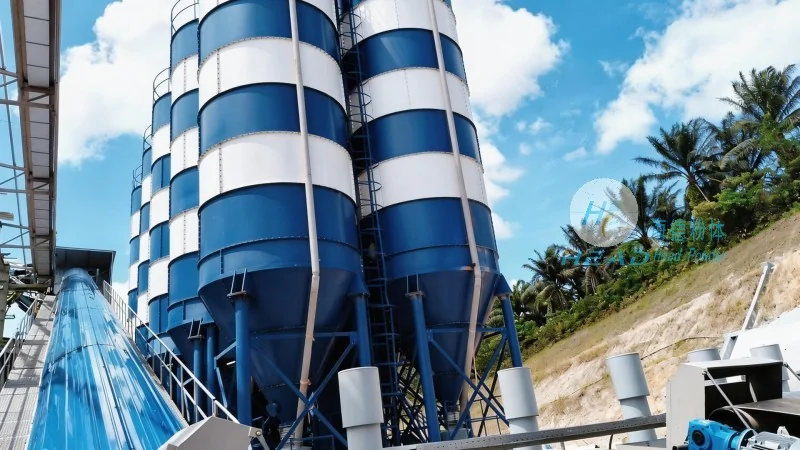
Compared to traditional conveyor systems, pneumatic conveying offers enhanced energy efficiency by utilizing compressed air to move materials over longer distances with minimal energy loss. The sealed system design also reduces the need for frequent maintenance, as there are fewer moving parts exposed to dust and wear. This results in lower operational costs and increased system longevity, which are crucial factors for industrial clients seeking sustainable and cost-effective material handling solutions.
HeadPowder's dolomite pneumatic conveying equipment is designed for scalability, allowing it to be integrated into existing production lines or expanded as production needs grow. The modular design enables easy installation and modification, ensuring that the system can adapt to changing operational requirements without disrupting ongoing production. This flexibility is particularly beneficial for industries experiencing growth or undergoing process optimization.
The working scene characteristics of dolomite pneumatic conveying equipment translate into tangible operational benefits across various industrial sectors. In the construction industry, for example, dolomite is commonly used as a raw material in cement production. Pneumatic conveying systems enable efficient transport of dolomite from storage silos to grinding mills, reducing downtime and improving production throughput. Similarly, in the steel industry, dolomite is utilized as a flux in blast furnaces, and the ability to transport it in a controlled, dust-free manner enhances safety and operational efficiency.
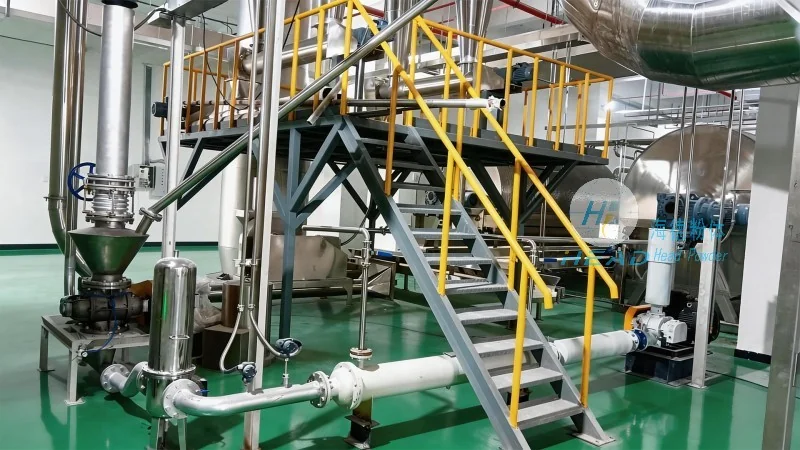
In the chemical manufacturing sector, dolomite is employed in the production of calcium compounds and other industrial chemicals. The precise control offered by pneumatic conveying systems ensures consistent material quality and reduces the risk of contamination, which is essential for meeting stringent product specifications. Furthermore, the ability to handle dolomite in a sealed environment minimizes environmental impact by preventing dust emissions and protecting the surrounding environment.
HeadPowder Engineering Co., Ltd., based in Shandong, China, leverages advanced engineering and manufacturing capabilities to deliver high-performance dolomite pneumatic conveying equipment that meets the demanding requirements of modern industrial applications. By understanding the core principles of pneumatic conveying and tailoring working scene characteristics to specific operational needs, the company provides solutions that enhance efficiency, safety, and sustainability in material handling processes. The versatility, energy efficiency, and scalability of these systems make them an ideal choice for industries relying on dolomite as a critical raw material, ensuring reliable and cost-effective operation in diverse production environments.

 Shandong Headpowder Engineering Co., Ltd.
 156-6277-7102(Manager Zhang)
  0531-83386006
  Zhangqiu District, Jinan City, Shandong Province, China
telephone
WeChatconsult
top