With more than 10‑year industry experience, Shandong Headpowder delivers full‑service pneumatic‑conveying systems and blowers, undertaking nationwide turn‑key powder‑handling projects.
For industries dealing with dry soybeans, efficient material handling is crucial to maintaining production flow and product quality. Pneumatic conveying systems have emerged as a sophisticated solution, offering a clean, flexible, and high-capacity method to transport dry soybeans from one location to another. This article delves into the fundamental principles of dry soybean pneumatic conveying systems and explores the key characteristics of their working environments, highlighting how such systems enhance operational efficiency in soybean processing and storage applications.
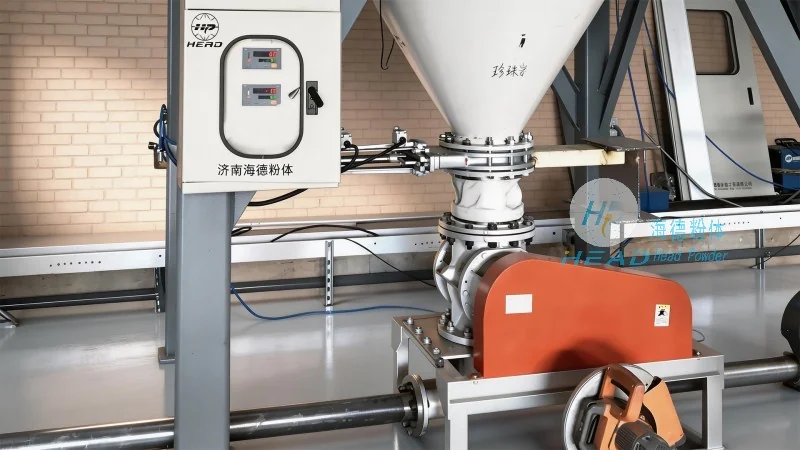
The fundamental principle of pneumatic conveying involves using compressed air or gas to transport dry materials like soybeans through a pipeline. In dry soybean applications, these systems typically operate under positive pressure, where air is forced through the pipeline, carrying the soybeans along with it. The system comprises several critical components, including a material feeder, a pressure vessel or hopper, a conveying line, and a receiver or discharge point. The material feeder ensures a consistent flow of soybeans into the system, while the pressure vessel maintains the necessary air pressure to drive the conveying process. The conveying line, often made of durable materials such as stainless steel or PVC, is designed to withstand the pressure and friction from the soybeans and air. The receiver collects the transported soybeans, completing the cycle. This mechanism allows for a continuous, closed-loop operation, minimizing contamination and dust exposure compared to traditional methods like bucket elevators or belt conveyors.
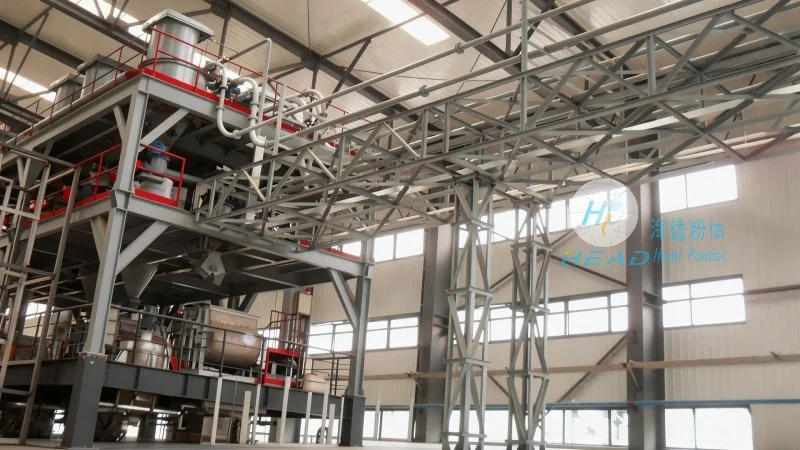
The working scene characteristics of dry soybean pneumatic conveying systems are tailored to the specific demands of soybean processing and storage environments. These systems are commonly employed in scenarios where dry soybeans need to be moved between processing stages, such as from a storage silo to a grinding or roasting unit, or from a cleaning station to a packaging line. One of the primary advantages is the ability to handle large volumes of dry soybeans with minimal labor, as the system operates automatically once initiated. The enclosed nature of the conveying line also reduces the risk of cross-contamination and dust dispersion, which is vital in food processing facilities where hygiene standards are stringent. Additionally, the flexibility of pneumatic conveying allows for multiple discharge points from a single inlet, enabling the distribution of soybeans to various processing units or storage bins without the need for complex reconfiguration. This adaptability makes the system suitable for both small-scale and large-scale operations, from local farms to industrial processing plants.
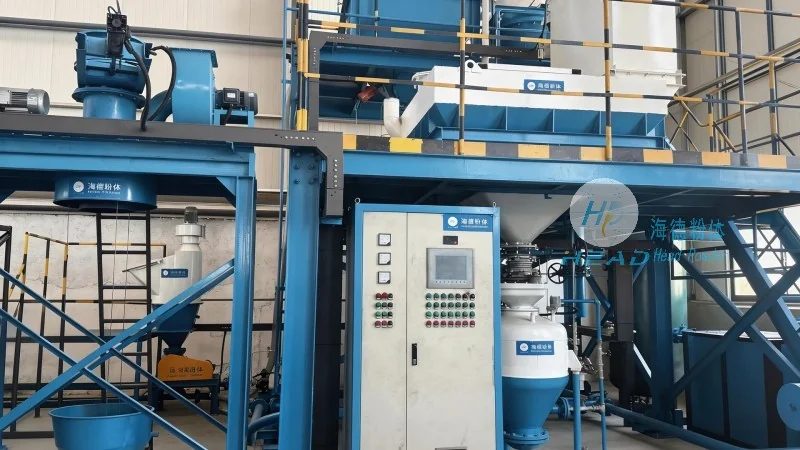
When compared to traditional mechanical conveying methods, dry soybean pneumatic conveying systems offer several distinct advantages that enhance overall operational efficiency. The primary benefit is the reduction in labor costs, as the system can operate continuously without the need for manual intervention once the soybeans are loaded into the feeder. This automation not only saves time but also minimizes human error, ensuring consistent material flow. Another significant advantage is the improved hygiene and cleanliness, as the enclosed pipeline prevents dust and debris from escaping into the environment. This is particularly important in food processing, where maintaining a clean workspace is essential for compliance with regulatory standards. Furthermore, the system’s ability to handle a wide range of soybean sizes and moisture contents without causing damage makes it versatile for various processing stages. The low maintenance requirements of pneumatic conveying systems, compared to mechanical equipment like belt conveyors, also contribute to long-term cost savings. By eliminating the need for regular lubrication and part replacement, the system reduces downtime and operational expenses, making it a cost-effective solution for soybean handling.
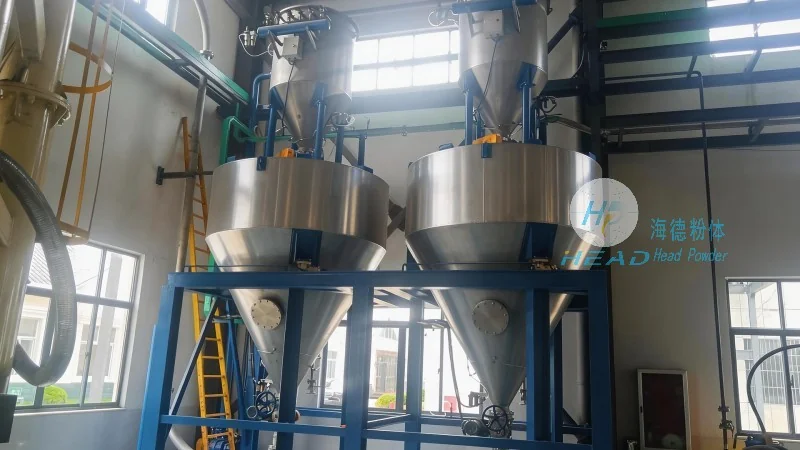
Real-world applications of dry soybean pneumatic conveying systems are widespread across the soybean processing industry. For instance, in a soybean oil extraction plant, the system can efficiently transport dry soybeans from a storage silo to a pre-treatment unit, where they are cleaned and prepared for oil extraction. The enclosed conveying line prevents dust from contaminating the soybeans, ensuring the quality of the final product. In a soybean meal production facility, the system can move dry soybeans from a grinding mill to a storage bin, facilitating the next stage of processing. The flexibility of the system allows for the integration of multiple processing lines, enabling the plant to handle varying production volumes without disrupting the workflow. Additionally, in agricultural settings, such as on-farm storage facilities, pneumatic conveying systems can be used to transfer dry soybeans from a field bin to a central storage silo, improving storage efficiency and reducing the risk of spoilage. These examples illustrate how the working scene characteristics of pneumatic conveying systems are tailored to meet the specific needs of soybean processing and storage, enhancing overall operational performance.

 Shandong Headpowder Engineering Co., Ltd.
 156-6277-7102(Manager Zhang)
  0531-83386006
  Zhangqiu District, Jinan City, Shandong Province, China
telephone
WeChatconsult
top