With more than 10‑year industry experience, Shandong Headpowder delivers full‑service pneumatic‑conveying systems and blowers, undertaking nationwide turn‑key powder‑handling projects.
Understanding the operational mechanics and distinctive attributes of catalyst material pneumatic conveying lines is crucial for industries relying on efficient material handling solutions. This article delves into the core principles behind these systems and highlights the key features that make them indispensable in modern industrial applications.
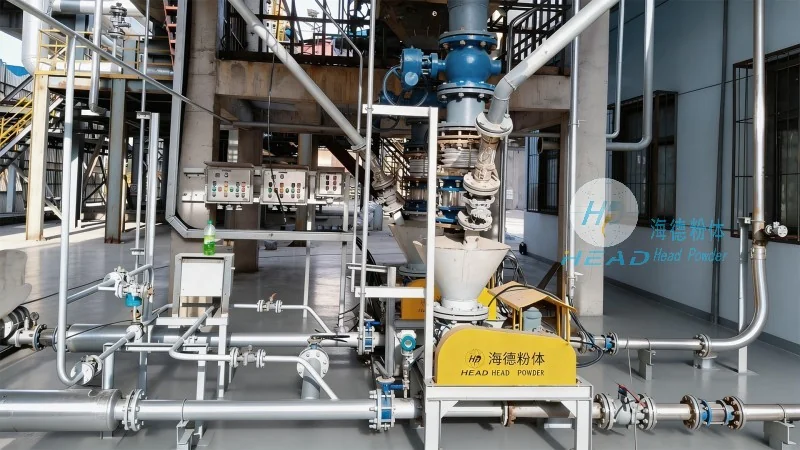
Before exploring the working principle and features, it's essential to grasp the fundamental purpose of catalyst material pneumatic conveying lines. These systems are engineered to transport catalyst powders and granules from one location to another within industrial facilities, such as chemical plants, petrochemical refineries, and pharmaceutical manufacturing sites. The primary goal is to achieve seamless, dust-free, and efficient material transfer, minimizing downtime and operational risks associated with traditional bulk material handling methods.
The working principle of catalyst material pneumatic conveying lines revolves around the use of compressed air or gas to move material through a closed pipeline system. The process typically begins with the material being fed into a hopper or feeder, where it is then introduced into the conveying line under controlled conditions. Compressed air, generated by a blower or compressor, is introduced at one end of the pipeline, creating a pressure differential that propels the material forward. The material is carried by the air stream, often in a dilute-phase or dense-phase mode, depending on the system design and material characteristics.
In dilute-phase conveying, the material is suspended in the air stream, allowing for high-velocity transport over longer distances. This mode is suitable for fine powders and requires higher air velocities to maintain particle suspension. Conversely, dense-phase conveying involves a lower air-to-material ratio, where the material travels in a more compact form, reducing particle degradation and minimizing pressure drop along the pipeline. The choice between these modes depends on factors like material size, moisture content, and the required conveying distance.
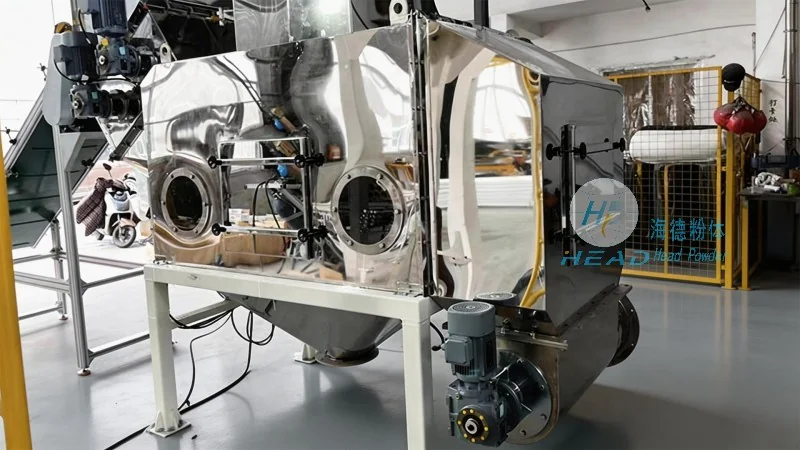
The system includes several critical components, including a feeder, a blower or compressor, a pipeline network, and a receiver or discharge unit. The feeder ensures a consistent material flow into the system, while the blower provides the necessary pressure to move the material. The pipeline network connects the feeding and receiving points, and the receiver collects the material at the destination. Control systems are often integrated to regulate air pressure, material flow, and system operation, ensuring optimal performance and safety.
Catalyst material pneumatic conveying lines offer several advantages that set them apart from conventional handling methods. One of the most significant features is the ability to achieve dust-free and enclosed material transport, which is critical for maintaining a safe and clean working environment, especially in facilities handling hazardous or sensitive materials. This feature also helps in preventing material contamination and loss, which can be costly in industries where catalyst quality is paramount.
Another notable feature is the flexibility in system design and configuration. Pneumatic conveying systems can be customized to accommodate various material types, including fine powders, granules, and even bulk materials, with different conveying modes and pipeline layouts. This adaptability allows for integration into existing industrial setups or new facility designs, making them a versatile solution for diverse applications.
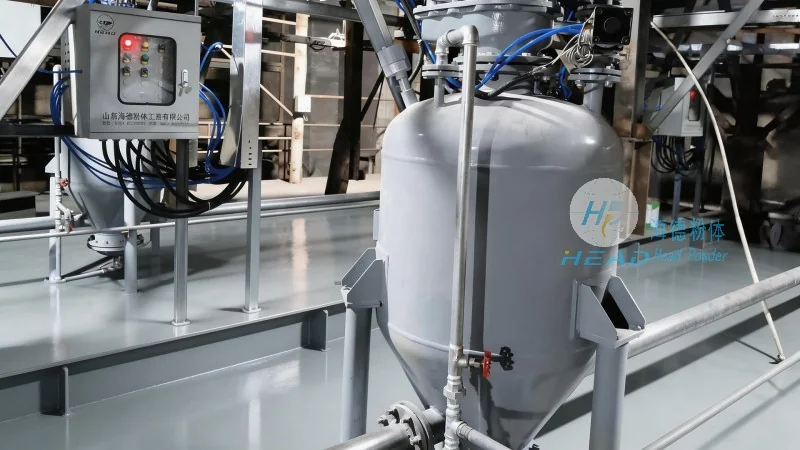
Efficiency and energy savings are also key attributes of these systems. By utilizing compressed air to transport material, the systems can achieve high throughput with relatively low energy consumption compared to other bulk handling methods like belt conveyors or bucket elevators. The ability to handle materials over long distances without the need for multiple transfer points further enhances operational efficiency and reduces overall costs.
Additionally, catalyst material pneumatic conveying lines provide enhanced safety and operational reliability. The enclosed system design minimizes the risk of material spillage or exposure to personnel, reducing the likelihood of accidents or health hazards. The integrated control systems allow for real-time monitoring and adjustment of system parameters, ensuring consistent performance and preventing system failures. This reliability is crucial for continuous production processes where downtime can lead to significant financial losses.
The features and working principles of catalyst material pneumatic conveying lines make them ideal for a wide range of industrial applications. In the chemical industry, these systems are commonly used to transport catalyst powders for processes such as hydrogenation, polymerization, and catalytic cracking. The ability to handle fine powders without degradation ensures that the catalyst's active components remain intact, maintaining the efficiency of the chemical reactions.
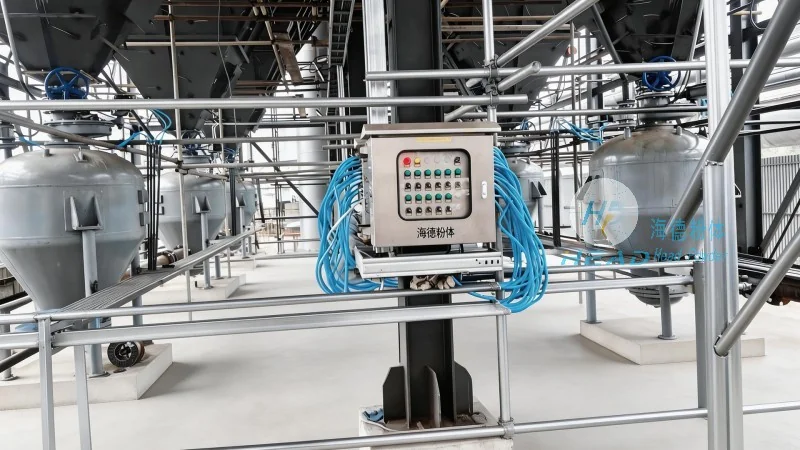
In the petrochemical sector, pneumatic conveying lines are employed to transport catalysts used in refining processes, such as fluid catalytic cracking (FCC) and hydrocracking. The systems help in maintaining consistent catalyst distribution across reactors, which is vital for optimizing process performance and extending equipment life. The dust-free operation also contributes to a safer working environment in refineries, where catalyst handling can pose health risks.
Furthermore, in the pharmaceutical and fine chemicals industries, catalyst material pneumatic conveying lines are used to handle sensitive materials that require stringent contamination control. The enclosed and controlled environment of the system ensures that the materials remain pure and free from external contaminants, meeting the stringent quality standards required in these sectors.
Understanding the working principle and features of catalyst material pneumatic conveying lines is essential for industries seeking efficient, safe, and reliable material handling solutions. The systems offer a range of advantages, including dust-free transport, flexibility in design, energy efficiency, and enhanced safety, making them a preferred choice for handling catalyst powders and granules. As a leading provider in this field, Shandong HeadPowder Engineering Co., Ltd. specializes in designing and manufacturing customized pneumatic conveying systems tailored to the specific needs of industrial clients. With a focus on innovation and quality, the company ensures that its solutions meet the highest industry standards, supporting the operational efficiency and success of its clients in various sectors.

 Shandong Headpowder Engineering Co., Ltd.
 156-6277-7102(Manager Zhang)
  0531-83386006
  Zhangqiu District, Jinan City, Shandong Province, China
telephone
WeChatconsult
top