

Working Principle and Features of Flour Material Pneumatic Conveying Lines
Flour material pneumatic conveying lines are critical equipment in the flour processing sector, engineered to efficiently transport bulk materials such as flour from one location to another. These systems utilize air as the medium to move the material through a network of pipes, offering a clean and efficient method compared to traditional mechanical conveyors. This article will delve into the working principle and key features of such lines, highlighting their importance in modern flour production.
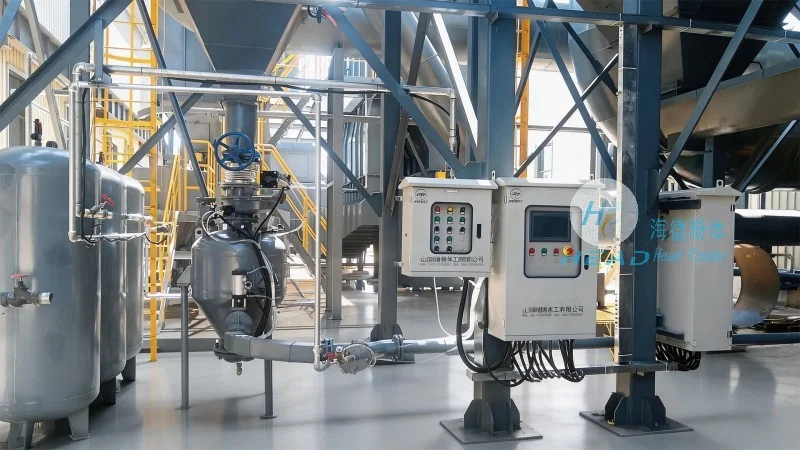
HeadPowder, a leading manufacturer headquartered in Shandong, China, specializes in the design and production of high-quality pneumatic conveying systems tailored for flour and other similar powders. With years of experience in the industry, the company has developed advanced solutions that meet the specific needs of flour mills and processing facilities worldwide.
Working Principle of Flour Material Pneumatic Conveying Lines
The core of a pneumatic conveying line is the air flow mechanism that propels the material through the system. There are two primary types of pneumatic conveying systems: positive pressure and negative pressure. Positive pressure systems employ a blower or fan to generate high-pressure air that pushes the material through the pipes. The material is typically fed into the system via a hopper or feeder, and the air flow carries the particles along the pipeline. This method is suitable for short to medium distance transport and can handle a wide range of material densities and particle sizes.
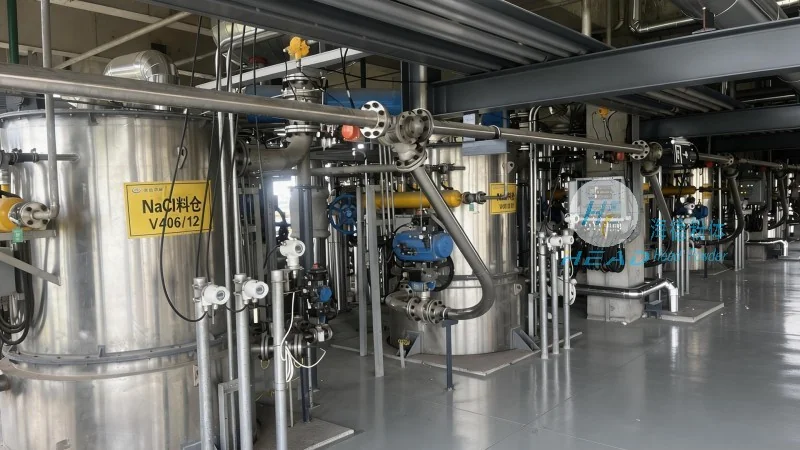
Negative pressure systems, conversely, operate by creating a vacuum in the receiving end of the system. The material is drawn into the vacuum by the low-pressure air, which then moves it through the pipes towards the discharge point. This approach is often used for longer distances or when the material needs to be transported from multiple sources to a central collection point. The choice between positive and negative pressure depends on factors such as the distance, material characteristics, and the overall layout of the processing facility.
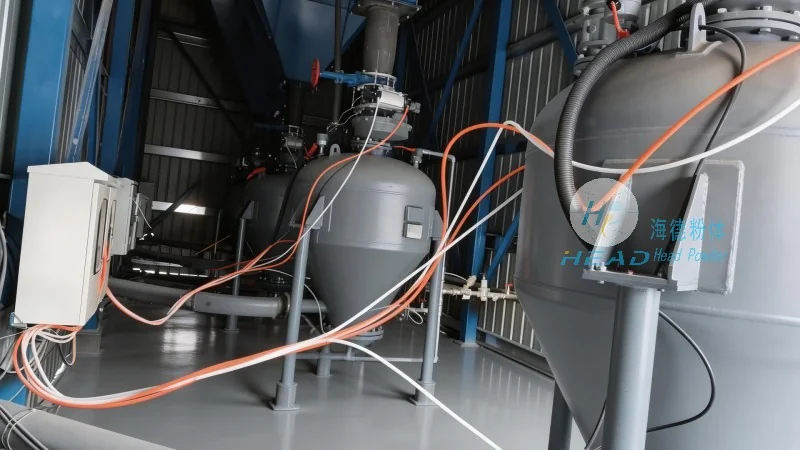
In both systems, the conveying line consists of several key components: a feeding device (like a rotary valve or screw feeder), a blower or vacuum pump, a series of pipes with appropriate fittings and elbows, and a discharge unit. The feeding device ensures a consistent flow of material into the system, while the blower or pump provides the necessary air pressure or vacuum. The pipes are typically made of stainless steel or other corrosion-resistant materials to prevent contamination and ensure durability. The system is designed to maintain a consistent air flow rate, which is crucial for efficient material transport and to prevent blockages or material degradation.
Key Features of Flour Material Pneumatic Conveying Lines
Flour material pneumatic conveying lines offer several advantages that make them a preferred choice in the flour industry. One of the most significant features is their ability to provide a clean and hygienic transfer of material. Unlike mechanical conveyors, which can cause dust and contamination, pneumatic systems keep the material enclosed within the pipes, reducing the risk of cross-contamination and maintaining product quality. This is particularly important in food processing environments where hygiene standards are strictly enforced.
Another key feature is the flexibility and scalability of the system. Pneumatic conveying lines can be easily expanded or reconfigured to accommodate changes in production volume or facility layout. The modular design allows for the addition of new sections or branches without disrupting the entire system, making it adaptable to evolving business needs. This flexibility is especially valuable for flour mills that may need to expand their processing capacity or integrate new equipment over time.
Efficiency is another major advantage of pneumatic conveying lines. By using air as the transport medium, these systems can move large quantities of material quickly and with minimal energy consumption compared to traditional methods. The high velocity of the air flow ensures that the material is transported at a consistent speed, reducing the risk of material buildup or clogging. Additionally, the system can be automated with sensors and control systems to monitor the flow rate, pressure, and other parameters, ensuring optimal performance and reducing the need for manual intervention.
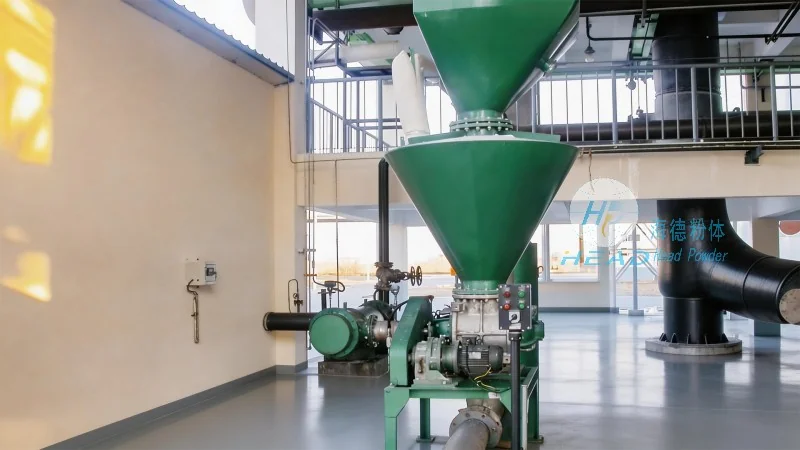
Furthermore, the design of pneumatic conveying lines allows for precise control over the material flow. The feeding devices and control valves can regulate the amount of material entering the system, ensuring a steady and controlled discharge at the receiving end. This precision is crucial for maintaining consistent product quality and preventing overloading or underloading of downstream equipment. The ability to adjust the air flow rate and pressure also allows for the handling of different material types, from fine flour to coarser particles, without compromising the system's performance.
In summary, flour material pneumatic conveying lines are advanced systems that combine efficiency, hygiene, and flexibility to meet the demanding requirements of the flour processing industry. By understanding the working principle and key features of these lines, manufacturers can make informed decisions when selecting or upgrading their conveying equipment, ensuring optimal performance and product quality.