With more than 10‑year industry experience, Shandong Headpowder delivers full‑service pneumatic‑conveying systems and blowers, undertaking nationwide turn‑key powder‑handling projects.
HeadPowder, a leading manufacturer based in Shandong, China, specializes in providing advanced pneumatic conveying solutions tailored for synthetic rubber materials. This article delves into the working principle and key features of such equipment, offering insights into how these systems enhance material handling efficiency and operational reliability.
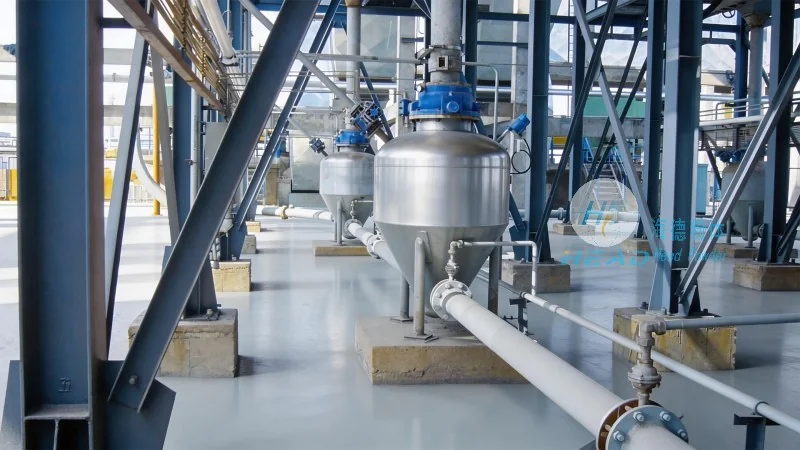
The core mechanism of pneumatic conveying equipment for synthetic rubber involves the use of air or gas to transport bulk materials through a closed pipeline system. The process typically operates on either positive or negative pressure, depending on the specific application requirements. In positive pressure systems, air is forced into the pipeline, creating a pressure differential that propels the rubber particles forward. Conversely, negative pressure systems create a vacuum that draws the material into the pipeline. The equipment includes components such as a feed hopper, a rotary valve, a conveying line, and a receiver, all working in tandem to ensure smooth material transfer. The feed hopper stores the synthetic rubber, while the rotary valve controls the material discharge rate. The conveying line, often equipped with bends and straight sections, transports the rubber particles, and the receiver collects the material at the destination. This integrated approach minimizes material degradation and ensures consistent flow rates, which are critical for maintaining product quality in synthetic rubber processing.
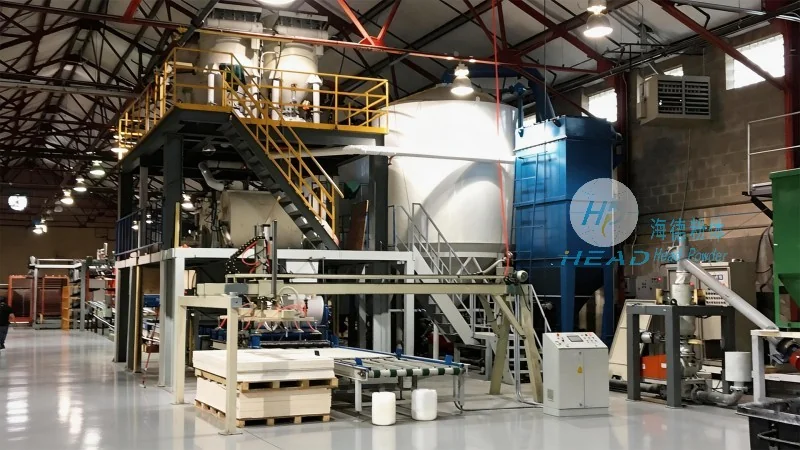
HeadPowder's pneumatic conveying equipment for synthetic rubber materials is designed with several distinct features that set it apart in the industry. One of the primary advantages is its ability to handle abrasive and sticky synthetic rubber particles without causing wear or blockages in the system. The equipment utilizes high-quality materials, such as stainless steel or specialized coatings, to resist corrosion and maintain durability over extended operational periods. Another notable feature is the adjustable flow control system, which allows operators to fine-tune the conveying rate based on production needs, ensuring optimal performance and energy efficiency. The compact design of the equipment also contributes to space-saving in industrial settings, making it suitable for both new installations and retrofit applications. Additionally, the system incorporates safety features, including pressure relief valves and overfill protection, to prevent accidents and ensure compliance with industrial safety standards. These features collectively enhance the reliability and longevity of the equipment, reducing maintenance costs and downtime for users.
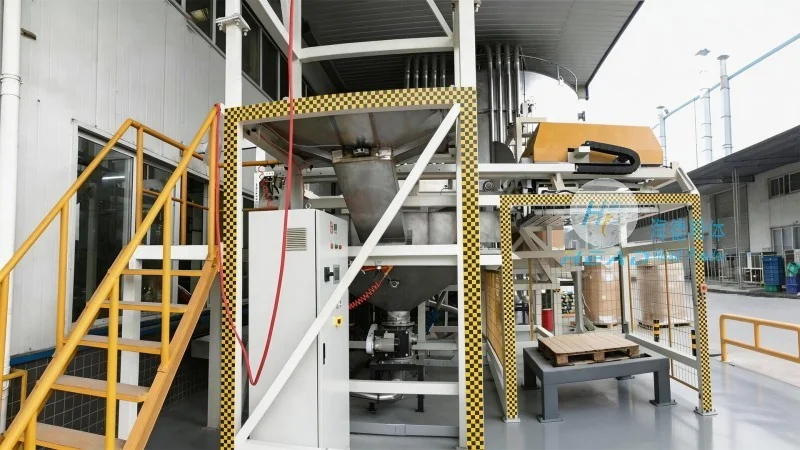
When designing pneumatic conveying systems for synthetic rubber, several factors must be considered to ensure optimal performance. The particle size and density of the synthetic rubber are crucial, as they affect the air velocity required for effective transport. Larger or denser particles may necessitate higher air pressure or a larger pipeline diameter to maintain flow. The system's layout, including the number and angle of bends, also impacts the conveying efficiency. Properly designed bends minimize pressure losses and prevent material accumulation. Furthermore, the integration of cleaning mechanisms, such as pulse jets or rotary cleaning devices, is essential to maintain system hygiene and prevent clogging, especially when handling sticky or fine synthetic rubber particles. HeadPowder's engineers take these factors into account during the design phase, ensuring that the equipment is tailored to the specific needs of each client, whether for bulk material transfer, dust collection, or process integration.
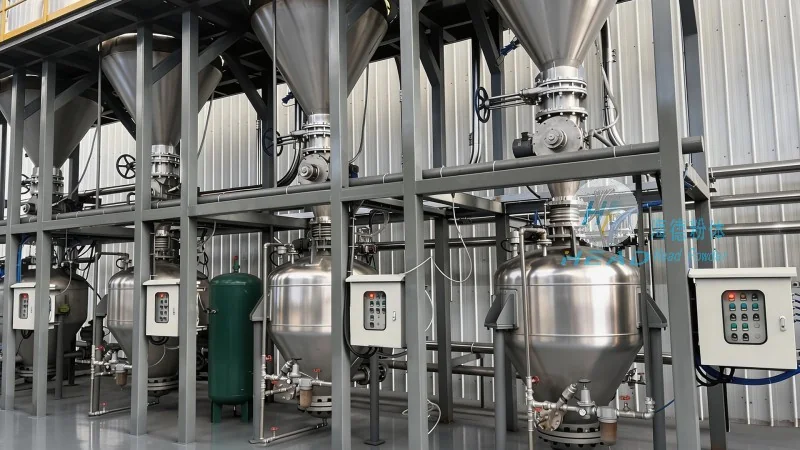
The adoption of pneumatic conveying equipment for synthetic rubber materials offers significant operational benefits to manufacturers. By eliminating the need for traditional bulk handling methods, such as belt conveyors or manual loading, the system reduces labor costs and improves workplace safety. The enclosed pipeline design minimizes dust emissions, contributing to a cleaner and healthier working environment. Additionally, the consistent flow rates and reduced material degradation improve product quality, which is vital for synthetic rubber applications in various industries, including tire manufacturing, automotive parts, and industrial products. The energy efficiency of the system, achieved through optimized air pressure and flow control, also leads to lower operational costs over time. For companies operating in the synthetic rubber sector, investing in such equipment can lead to enhanced productivity, reduced maintenance expenses, and improved overall operational performance. HeadPowder's commitment to innovation and quality ensures that their pneumatic conveying solutions meet the evolving demands of the industry, providing reliable and efficient material handling solutions for years to come.

 Shandong Headpowder Engineering Co., Ltd.
 156-6277-7102(Manager Zhang)
  0531-83386006
  Zhangqiu District, Jinan City, Shandong Province, China
telephone
WeChatconsult
top