With more than 10‑year industry experience, Shandong Headpowder delivers full‑service pneumatic‑conveying systems and blowers, undertaking nationwide turn‑key powder‑handling projects.
HeadPowder, a leading provider in the field of material handling solutions, specializes in pneumatic conveying systems tailored for ceramic materials. This article delves into the fundamental working principles and key characteristics of such systems, offering insights into their operational efficiency and practical applications.
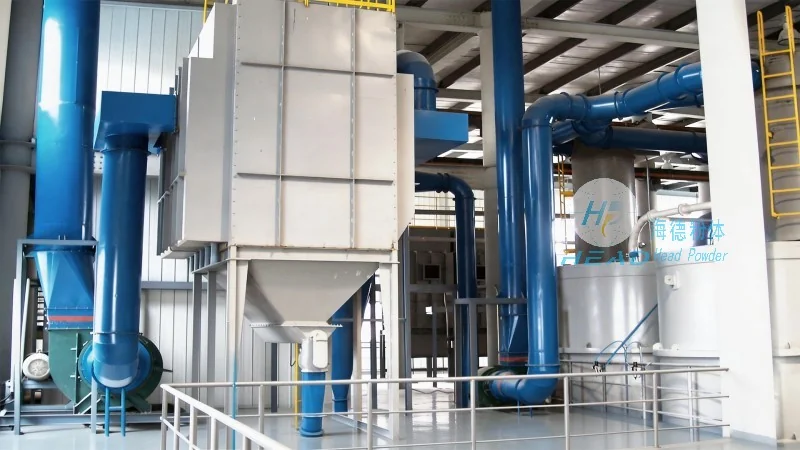
Pneumatic conveying, also known as air conveying, is a method of transporting bulk materials through a pipeline using a stream of gas, typically air. In the context of ceramic materials, this technology is employed to move powders, granules, or other particulate forms with precision and control. The process operates on the principle of creating a pressure differential between the inlet and outlet of the conveying line. For positive pressure systems, compressed air is introduced at the material feed point, generating a pressure higher than the ambient air, which propels the ceramic particles forward. Conversely, negative pressure systems draw air and material from the discharge point, creating a vacuum that pulls the material through the pipeline.
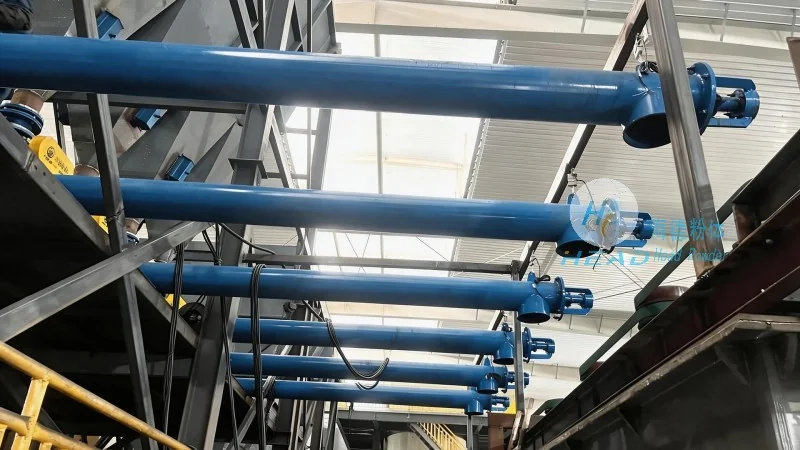
When applied to ceramic materials, pneumatic conveying systems exhibit several distinct characteristics that make them suitable for various industrial processes. One of the primary advantages is the ability to maintain a clean and dust-free environment, as the material is contained within a sealed pipeline, preventing contamination and exposure to external elements. This is particularly critical in industries where ceramic quality and purity are paramount, such as in the production of ceramics, refractories, and specialty powders.
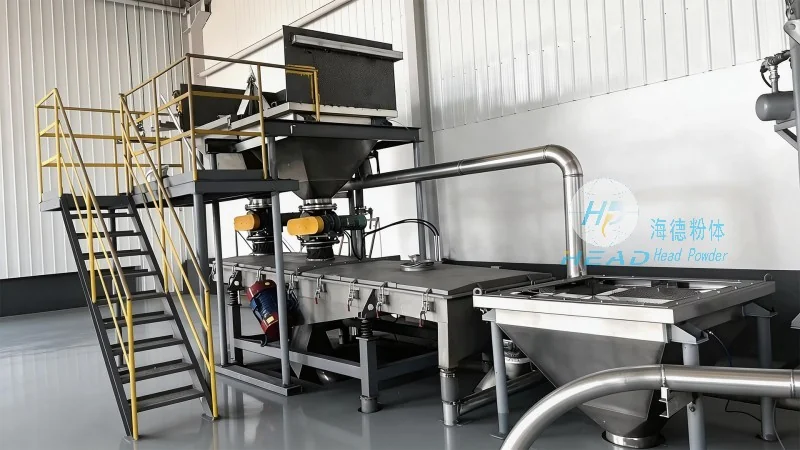
Efficiency is another notable characteristic. Pneumatic conveying allows for high-speed material transport over long distances with minimal energy consumption compared to traditional methods like belt conveyors or bucket elevators. The system’s flexibility is also a significant feature, as it can be easily integrated into existing production lines and adapted to different material types and flow rates. Additionally, the system can handle a wide range of particle sizes and shapes, from fine powders to larger granules, without requiring extensive modifications to the equipment.
Implementing pneumatic conveying for ceramic materials offers several operational benefits. The sealed system reduces the risk of material degradation due to moisture or contamination, which is essential for maintaining the integrity of ceramic products. Furthermore, the technology enables precise control over material flow rates, ensuring consistent quality in downstream processes such as mixing, blending, or packaging. The reduced need for manual handling also enhances workplace safety, minimizing the risk of dust inhalation and other occupational hazards associated with handling loose ceramic powders.
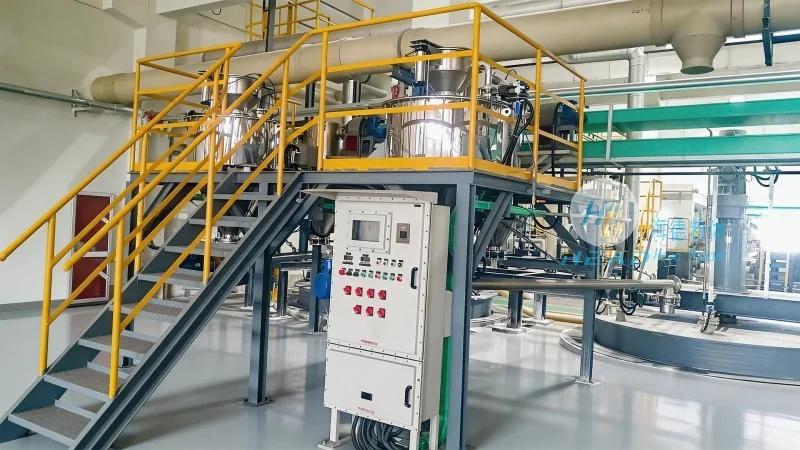
As a professional manufacturer based in Shandong, China, HeadPowder Engineering Co., Ltd. leverages its expertise to design and supply customized pneumatic conveying solutions for ceramic applications. By understanding the unique properties of ceramic materials and the specific requirements of industrial processes, the company ensures that its systems are optimized for performance, reliability, and efficiency. Whether for short-distance or long-distance transport, HeadPowder’s pneumatic conveying systems provide a robust and effective means of handling ceramic materials, supporting the operational needs of various industries with precision and care.

 Shandong Headpowder Engineering Co., Ltd.
 156-6277-7102(Manager Zhang)
  0531-83386006
  Zhangqiu District, Jinan City, Shandong Province, China
telephone
WeChatconsult
top