With more than 10‑year industry experience, Shandong Headpowder delivers full‑service pneumatic‑conveying systems and blowers, undertaking nationwide turn‑key powder‑handling projects.
HeadPowder, a leading manufacturer based in Shandong, China, specializes in providing advanced solutions for the efficient handling of potassium carbonate powder through pneumatic conveying systems. This article delves into the working principles and key features of such equipment, offering insights into how these systems enhance material transport in industrial applications.
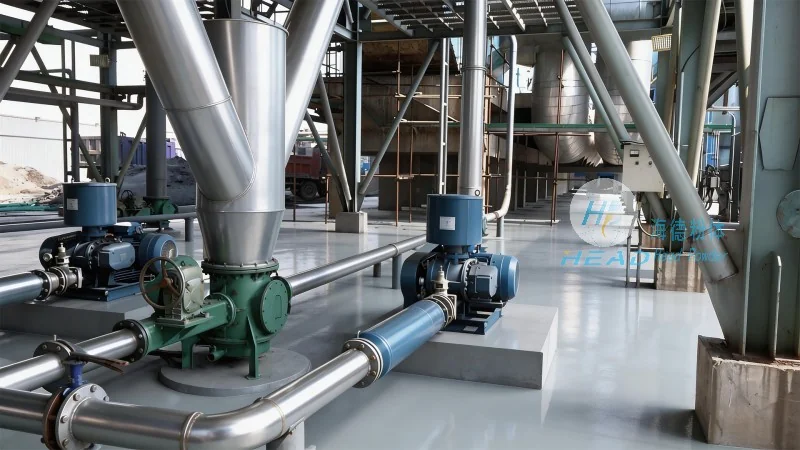
The core mechanism of a potassium carbonate powder pneumatic conveying machine involves the use of air to transport dry powders like potassium carbonate. There are primarily two types of pneumatic conveying systems: suction (or vacuum) and pressure systems. In suction systems, a vacuum is created at the material inlet to draw the powder into the conveying line. The air, carrying the powder particles, is then directed to a separator where the powder is separated from the air stream and collected. Pressure systems, on the other hand, use compressed air to push the powder through the conveying line, typically from a storage silo or hopper to the destination point. Both systems rely on the principle of air flow to move the powder, but the method of generating the air pressure differs, affecting the system's design and application suitability.
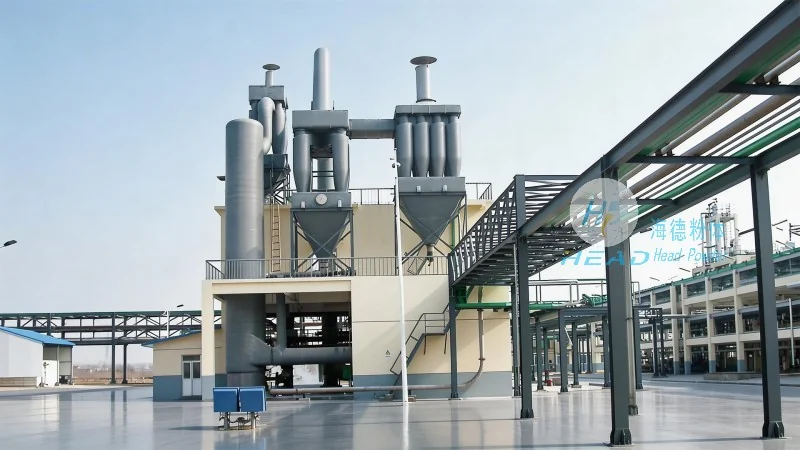
When it comes to handling potassium carbonate powder, the chosen pneumatic conveying equipment must exhibit several critical features to ensure optimal performance and reliability. First, the system should be designed to handle the specific properties of potassium carbonate, such as its particle size, density, and flowability. The equipment must be capable of maintaining consistent flow rates and preventing material degradation or agglomeration during transport. Another important feature is the ability to handle varying powder loads and flow rates, which is crucial in industrial settings where production volumes fluctuate. Additionally, the system should incorporate effective dust control measures to comply with environmental regulations and ensure workplace safety. The use of high-quality materials in the construction of the conveying lines and components is essential to prevent corrosion or wear, especially when dealing with corrosive or abrasive powders like potassium carbonate. Furthermore, the equipment should be equipped with monitoring and control systems that allow operators to adjust parameters in real-time, ensuring efficient and safe operation. These features collectively contribute to the overall efficiency, durability, and safety of the pneumatic conveying system for potassium carbonate powder.
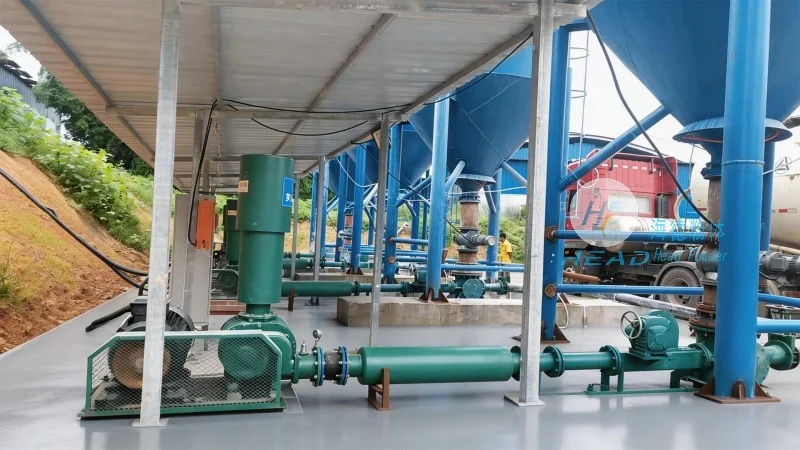
The implementation of potassium carbonate powder pneumatic conveying equipment offers numerous benefits to industrial processes. By eliminating the need for traditional bulk handling methods like bucket elevators or belt conveyors, pneumatic systems provide a more flexible and space-saving solution. They can transport powders over longer distances and through complex layouts, making them ideal for large-scale production facilities. The ability to handle fine powders without causing dust dispersion also enhances product quality and reduces health hazards for workers. However, it is important to consider the specific requirements of the application when selecting a pneumatic conveying system. Factors such as the volume of powder to be transported, the distance between the source and destination, and the environmental regulations in the operating region must be taken into account. Proper system sizing and design are critical to avoid issues like pressure drop, material blockage, or excessive energy consumption. Additionally, regular maintenance and cleaning of the conveying lines and components are necessary to ensure long-term performance and prevent system downtime. By carefully evaluating these factors and choosing the appropriate equipment, industries can maximize the benefits of pneumatic conveying for potassium carbonate powder handling.

 Shandong Headpowder Engineering Co., Ltd.
 156-6277-7102(Manager Zhang)
  0531-83386006
  Zhangqiu District, Jinan City, Shandong Province, China
telephone
WeChatconsult
top