With more than 10‑year industry experience, Shandong Headpowder delivers full‑service pneumatic‑conveying systems and blowers, undertaking nationwide turn‑key powder‑handling projects.
Understanding the working principle and characteristics of dilute phase powder pneumatic conveying systems is crucial for industries that rely on efficient material handling solutions. These systems are designed to transport dry powders and granular materials through a pipeline using a gas stream, typically air or other gases. The technology offers a versatile and effective method for moving bulk materials over long distances or within complex processing facilities.
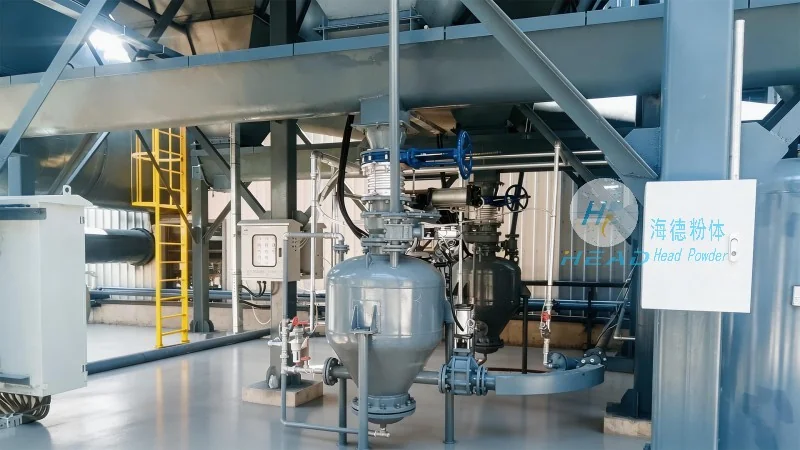
The core of a dilute phase system lies in its ability to suspend particles in a gas stream, creating a dilute mixture that flows through the pipeline. This suspension is achieved by introducing a high-velocity gas into the material feed point, which lifts and transports the particles. The system typically consists of a blower or compressor to generate the necessary air pressure, a feed hopper to introduce the material, and a pipeline network that guides the material to its destination. The gas velocity is maintained above the minimum fluidization velocity to ensure that particles remain suspended and do not settle or clog the pipeline. As the material travels through the pipeline, it may encounter various components such as bends, valves, and filters, which are designed to maintain the flow and prevent material degradation or loss.
Dilute phase systems exhibit several distinct characteristics that make them suitable for a wide range of applications. One of the primary advantages is their ability to handle a variety of materials, including fine powders, granules, and even some sticky or cohesive substances. The high gas velocity ensures that particles are well-dispersed, reducing the risk of agglomeration and improving material flow. Another key characteristic is the system's flexibility in terms of layout and distance. Dilute phase systems can transport materials over long distances, often exceeding several hundred meters, and can navigate complex routes with multiple bends and changes in elevation. The technology also offers a relatively low maintenance requirement compared to other material handling methods, as the pipeline design minimizes the risk of blockages and material buildup. Additionally, these systems can be integrated with other processing equipment, such as mixers, classifiers, or storage silos, to form a comprehensive material handling solution.
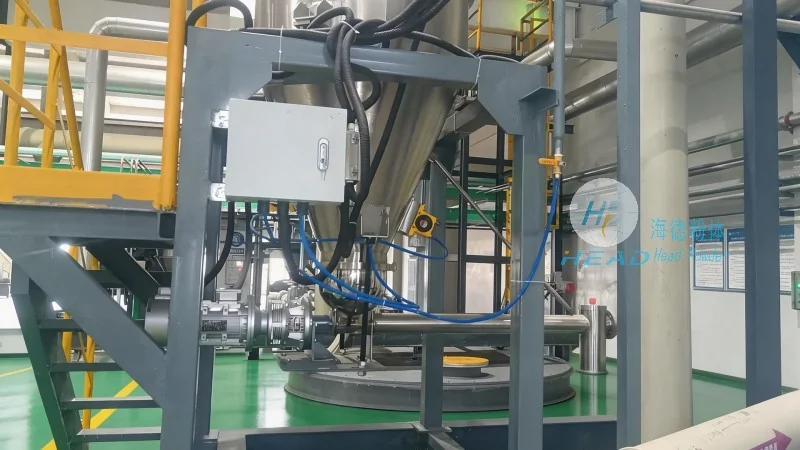
In industrial applications, dilute phase pneumatic conveying systems are widely used in sectors such as pharmaceuticals, food processing, chemicals, and minerals. For example, in the pharmaceutical industry, these systems are employed to transport active pharmaceutical ingredients (APIs) and excipients with high precision and minimal contamination. The gentle handling of materials ensures that the product quality is maintained, which is critical in pharmaceutical manufacturing. In the food industry, dilute phase systems are used to convey ingredients like flour, sugar, and spices, where hygiene and product integrity are paramount. The ability to handle fine powders without caking or degradation makes these systems ideal for food processing applications. Similarly, in the chemical and mineral industries, dilute phase conveying is used to transport raw materials, intermediate products, and finished goods, improving overall production efficiency and reducing labor costs.
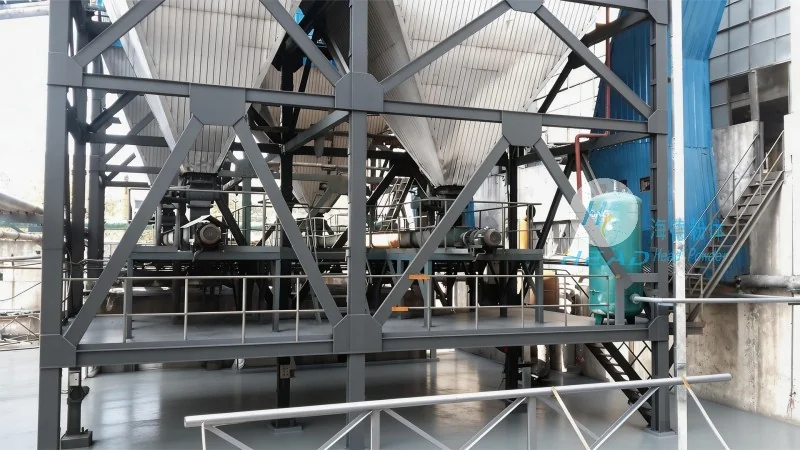
Compared to traditional methods like belt conveyors or bucket elevators, dilute phase pneumatic conveying systems offer several advantages. One significant benefit is the ability to handle materials that are difficult to transport by other means, such as fine powders that tend to clog or stick to surfaces. The high gas velocity and suspension of particles prevent material buildup and ensure smooth flow. Another advantage is the reduced risk of product contamination, as the system operates in a closed pipeline, minimizing exposure to external elements. Additionally, dilute phase systems can be more energy-efficient for certain applications, as the gas velocity can be optimized to balance performance and energy consumption. However, it is important to note that these systems may require higher initial investment due to the need for a blower or compressor and the specialized pipeline design. The operational costs, including energy consumption and maintenance, should be carefully evaluated to determine the overall cost-effectiveness.
Dilute phase powder pneumatic conveying systems represent a sophisticated and efficient solution for material handling in various industrial sectors. By understanding their working principles and characteristics, businesses can leverage this technology to improve production efficiency, maintain product quality, and reduce operational costs. Shandong HeadPowder Engineering Co., Ltd., a leading provider of material handling solutions, specializes in designing and manufacturing dilute phase pneumatic conveying systems tailored to the specific needs of different industries. With a focus on innovation and quality, the company ensures that its systems meet the highest standards of performance and reliability. Based in Shandong, China, HeadPowder Engineering combines years of experience and advanced technology to deliver customized solutions that enhance the productivity and safety of material handling processes. Whether for pharmaceutical, food, chemical, or mineral applications, the company's expertise in dilute phase systems provides clients with reliable and efficient material transport solutions.

 Shandong Headpowder Engineering Co., Ltd.
 156-6277-7102(Manager Zhang)
  0531-83386006
  Zhangqiu District, Jinan City, Shandong Province, China
telephone
WeChatconsult
top