With more than 10‑year industry experience, Shandong Headpowder delivers full‑service pneumatic‑conveying systems and blowers, undertaking nationwide turn‑key powder‑handling projects.
Organic fertilizer granule material conveying is a critical process in the production and distribution of organic fertilizers. The efficiency and reliability of the conveying system directly impact the overall productivity and quality of the fertilizer manufacturing process. Understanding the working principle and key characteristics of such systems is essential for optimizing operations in agricultural and organic fertilizer production facilities.
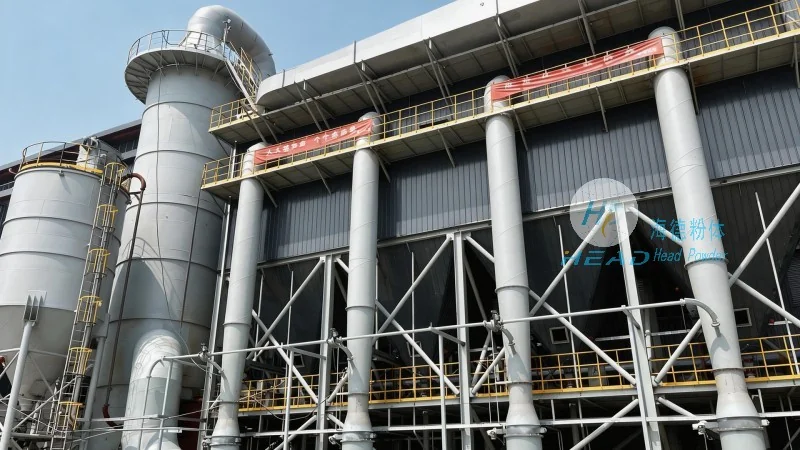
Organic fertilizer granule material conveying systems are designed to transport granular organic fertilizers from one point to another within a production facility or between different processing stages. These systems are typically integrated into larger fertilizer production lines, ensuring seamless material flow from raw material handling to packaging or storage. The core components of a typical granule conveying system include feed hoppers, conveying mechanisms (such as screw conveyors, belt conveyors, or pneumatic systems), control systems, and discharge mechanisms. Each component plays a vital role in maintaining the integrity and quality of the organic fertilizer granules during transport.
The working principle of organic fertilizer granule material conveying revolves around the mechanical transfer of granular materials using various energy sources. For instance, screw conveyors utilize rotating screws to push granules forward along a trough or tube. The rotation of the screw creates a continuous movement of the material, ensuring consistent and controlled transport. Belt conveyors, on the other hand, use a moving belt to carry granules from the inlet to the outlet, leveraging gravity and the belt's motion to facilitate material transfer. Pneumatic conveying systems employ air pressure to move granules through a pipeline, which is particularly effective for handling fine or dusty organic fertilizers that might be prone to caking or segregation.
In the context of organic fertilizers, the conveying process must consider the unique properties of the granules, such as their size distribution, moisture content, and density. Organic fertilizer granules often vary in size, from fine powders to larger pellets, and may have different flow characteristics. A well-designed conveying system must accommodate these variations to prevent material degradation, blockages, or uneven distribution. The working principle also involves maintaining the granules' structural integrity, as excessive force or friction during transport can lead to granule breakdown or compaction, reducing the fertilizer's effectiveness.
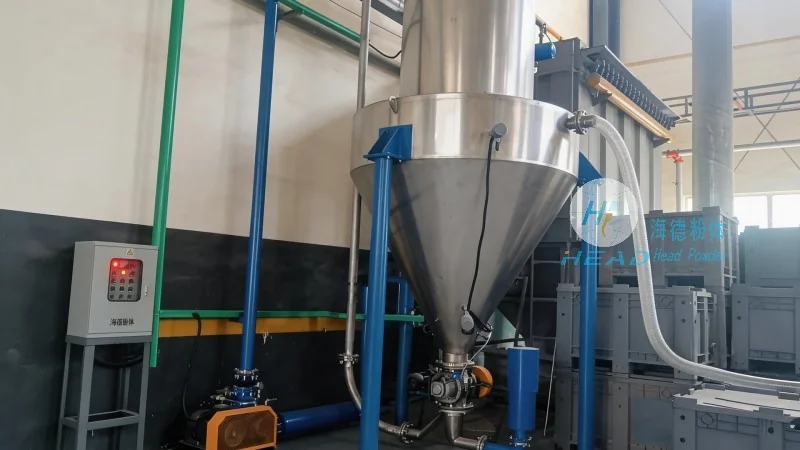
Organic fertilizer granule material conveying systems exhibit several key features that make them suitable for industrial applications. Firstly, they offer high efficiency and reliability, ensuring consistent material flow rates even under varying load conditions. The systems are designed to handle large volumes of granules, making them ideal for high-throughput fertilizer production facilities. Secondly, they provide flexibility in terms of material handling, as different conveying mechanisms can be integrated or replaced based on the specific requirements of the organic fertilizer being processed. This adaptability allows manufacturers to optimize the system for different granule sizes and flow characteristics.
Another important feature is the ability to maintain product quality during transport. Modern conveying systems incorporate features such as temperature control, moisture regulation, and gentle handling mechanisms to prevent granule degradation. For example, some systems use low-speed screw conveyors to minimize friction and impact on the granules, preserving their shape and nutrient content. Additionally, the systems often include dust suppression and filtration components to ensure a clean and safe working environment, which is crucial in organic fertilizer production where dust can affect both equipment performance and worker health.
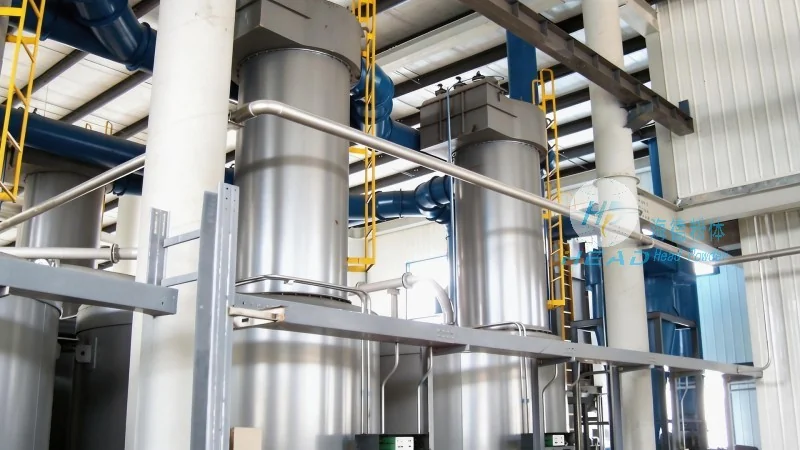
Shandong HeadPowder Engineering Co., Ltd. specializes in designing and manufacturing customized organic fertilizer granule material conveying systems tailored to the specific needs of clients. The company, commonly known as headpowder, leverages advanced engineering and material science to develop solutions that enhance the efficiency and sustainability of organic fertilizer production. Their systems are built to handle a wide range of organic fertilizer types, including compost, manure-based granules, and bio-fertilizers, ensuring compatibility with diverse raw materials and processing requirements.
The customization process involves a thorough analysis of the client's production capacity, granule characteristics, and operational constraints. Headpowder engineers work closely with clients to understand their unique challenges, such as space limitations, material flow rates, or environmental regulations, and develop solutions that address these issues. For instance, for facilities with limited vertical space, the company may recommend vertical screw conveyors or compact pneumatic systems that optimize space utilization while maintaining high conveying efficiency. Similarly, for organic fertilizers with high moisture content or tendency to clog, the system design may include additional components like agitators or air knives to prevent blockages and ensure smooth operation.
Organic fertilizer granule material conveying systems are indispensable components of modern fertilizer production facilities, enabling efficient and reliable transport of granular organic fertilizers. The working principles and features of these systems, such as mechanical drive mechanisms, flexible design, and quality preservation capabilities, contribute significantly to the overall productivity and sustainability of organic fertilizer manufacturing. By investing in advanced conveying systems, fertilizer producers can enhance their operational efficiency, reduce downtime, and ensure consistent product quality, ultimately supporting the growth of sustainable agriculture and organic farming practices.

 Shandong Headpowder Engineering Co., Ltd.
 156-6277-7102(Manager Zhang)
  0531-83386006
  Zhangqiu District, Jinan City, Shandong Province, China
telephone
WeChatconsult
top