With more than 10‑year industry experience, Shandong Headpowder delivers full‑service pneumatic‑conveying systems and blowers, undertaking nationwide turn‑key powder‑handling projects.
When discussing the efficient handling of kaolin powder, understanding the underlying principles and features of the material handling systems is crucial. Kaolin powder, a key industrial mineral, requires specialized equipment and processes to ensure safe, reliable, and efficient transport. This article explores the working principles and distinctive characteristics of systems designed for kaolin powder material handling, providing insights into how these technologies enhance operational performance.
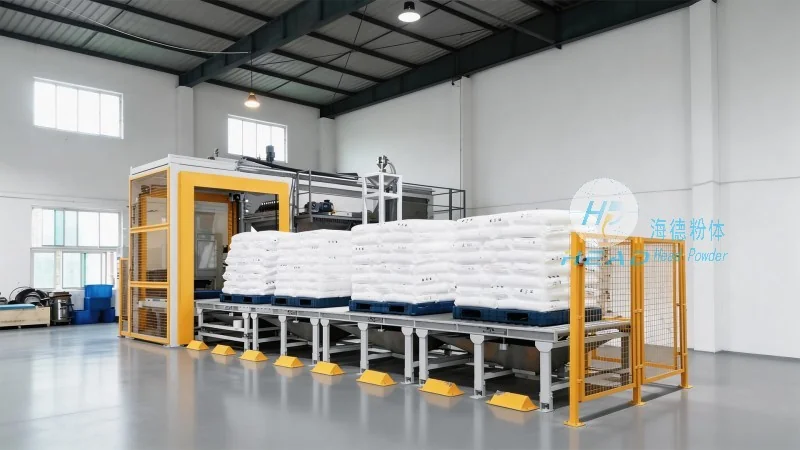
The core working principle of kaolin powder material handling systems revolves around the integration of advanced engineering solutions to manage the unique properties of kaolin powder. These systems typically utilize a combination of mechanical and pneumatic components to control the flow, transport, and storage of the powder. The process begins with the feeding of kaolin powder into a hopper or storage silo, where it is then transferred through pipelines or conveyor systems. Pneumatic conveying, a common method, uses compressed air to move the powder through ducts, while mechanical conveyors, such as belt or screw conveyors, provide alternative solutions for bulk material transport. The selection of the appropriate conveying method depends on factors like the powder's moisture content, particle size, and the required distance of transport. Advanced systems may also incorporate dust control mechanisms to ensure environmental compliance and worker safety. The working principle emphasizes the need for precise control over air pressure, flow rates, and material feed to maintain consistent performance and prevent blockages or material degradation.
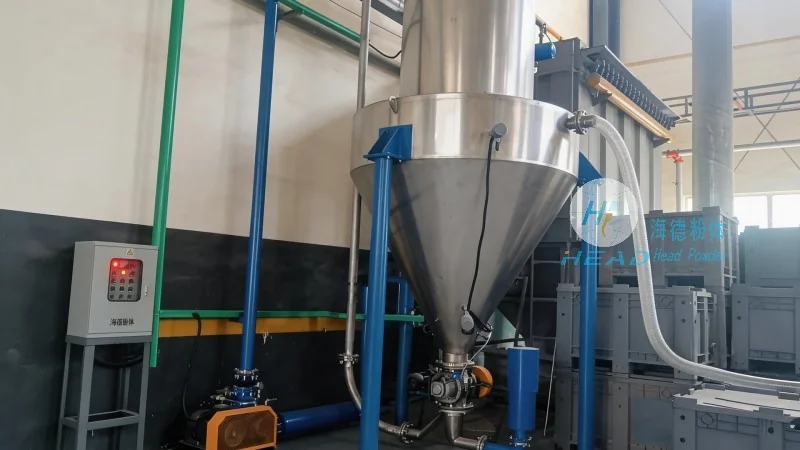
Several key characteristics define effective kaolin powder material handling systems, each contributing to improved operational efficiency and product quality. One of the primary characteristics is the ability to handle fine powders without caking or agglomeration, which can impede flow and cause system inefficiencies. Advanced systems employ anti-caking additives or moisture control measures to maintain the powder's free-flowing properties. Another critical characteristic is the system's capacity to minimize dust generation and ensure environmental safety. This is achieved through the use of sealed conveying lines, dust collection systems, and proper ventilation. The systems also prioritize energy efficiency, with optimized air pressure and flow rates reducing operational costs. Additionally, the design of the equipment must accommodate the varying particle sizes and densities of kaolin powder, ensuring consistent performance across different batches. The characteristics also include robustness and durability, as the equipment is exposed to abrasive and corrosive environments. Maintenance-friendly designs and easy access to components are essential for minimizing downtime and ensuring long-term reliability. The integration of automation and control systems further enhances the characteristics by enabling real-time monitoring and adjustment of the material handling process.
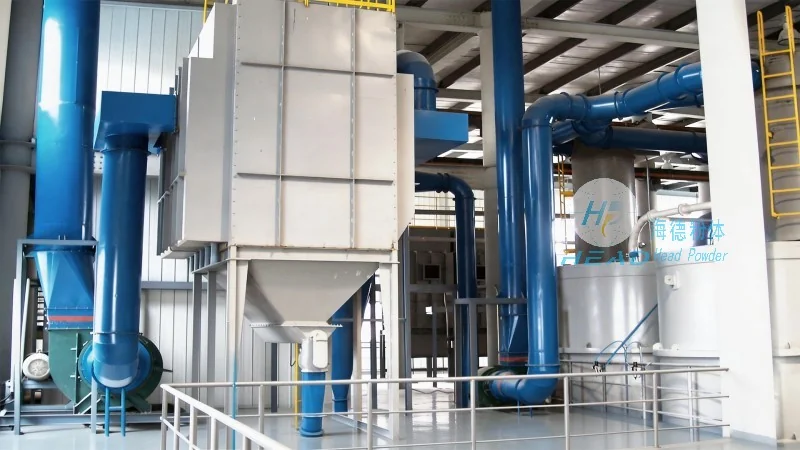
Industrial applications of kaolin powder material handling systems are widespread across various sectors, including ceramics, paper, and coatings. In the ceramics industry, kaolin is used as a raw material for clay bodies, and efficient handling ensures consistent quality in the final products. The paper industry relies on kaolin for coating and filler applications, requiring precise control over the powder's distribution and fineness. The coatings industry uses kaolin as a pigment and filler, where uniform material handling is crucial for achieving desired surface properties. Each application demands tailored material handling solutions that address specific process requirements, such as the need for high purity or controlled particle size distribution. The systems are designed to integrate seamlessly with existing production lines, minimizing disruptions and enhancing overall productivity. The characteristics of the material handling systems, such as low dust generation and energy efficiency, align with the sustainability goals of modern industrial operations. Additionally, the ability to handle large volumes of kaolin powder without compromising quality makes these systems indispensable in high-throughput manufacturing environments.
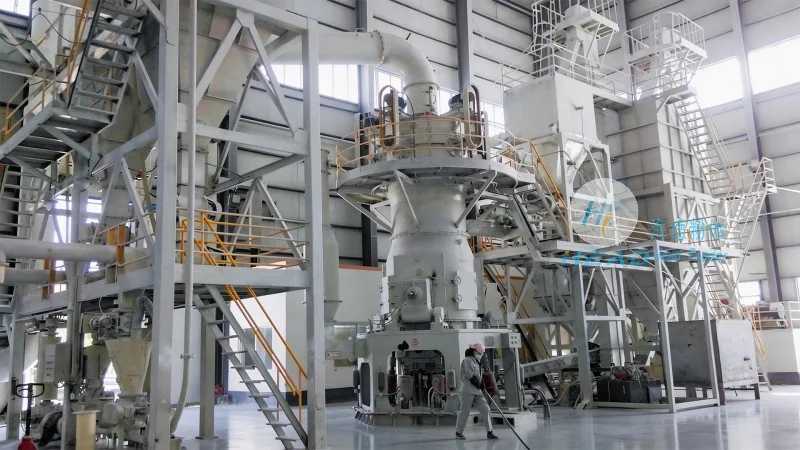
In conclusion, the working principles and characteristics of kaolin powder material handling systems are integral to the efficient and safe processing of this valuable industrial mineral. The integration of advanced engineering, precise control mechanisms, and robust design ensures that kaolin powder can be transported and handled effectively across various industrial applications. As a leading provider in the field, Shandong HeadPowder Engineering Co., Ltd. specializes in developing customized material handling solutions tailored to the unique needs of kaolin powder processing. With a focus on innovation and quality, the company ensures that its systems meet the highest standards of performance and reliability. Based in China, the company leverages its expertise to deliver solutions that enhance operational efficiency and support sustainable industrial practices. By understanding the working principles and characteristics of kaolin powder material handling, industries can optimize their processes and achieve better outcomes in the production of high-quality products.

 Shandong Headpowder Engineering Co., Ltd.
 156-6277-7102(Manager Zhang)
  0531-83386006
  Zhangqiu District, Jinan City, Shandong Province, China
telephone
WeChatconsult
top