With more than 10‑year industry experience, Shandong Headpowder delivers full‑service pneumatic‑conveying systems and blowers, undertaking nationwide turn‑key powder‑handling projects.
For industrial applications, the efficient and reliable transportation of cement raw materials is crucial for maintaining production efficiency and ensuring product quality. The cement raw material powder conveyor, a specialized piece of equipment designed for handling bulk powders, plays a vital role in the cement manufacturing process. This article will delve into the working principle and key features of such conveyors, providing a comprehensive overview for professionals in the industry.
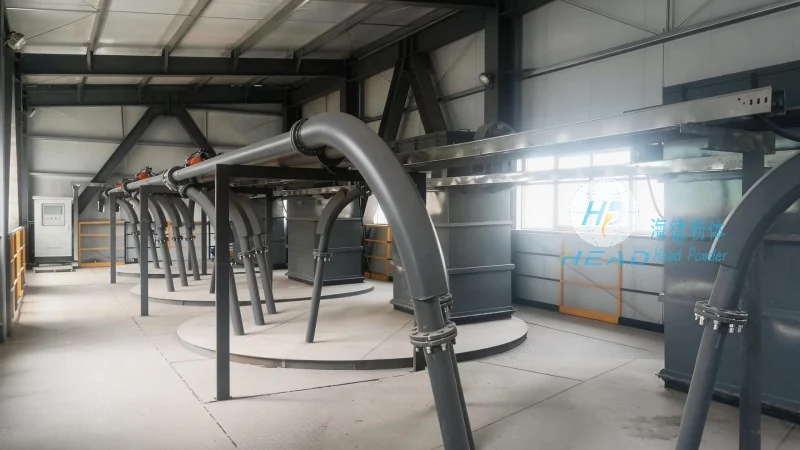
The working principle of cement raw material powder conveyors is centered around the efficient movement of bulk powders from one location to another within a production facility. These systems typically operate based on mechanical forces, such as pressure or vacuum, to transport materials without the need for direct contact with the conveying medium. The core components of a typical conveyor system include a hopper for material storage, a conveyor tube or pipe, and a drive mechanism that propels the material through the system.
One common type of cement raw material powder conveyor is the pneumatic conveyor, which utilizes compressed air to create a flow of material through a sealed pipeline. As raw materials like limestone, clay, or iron ore are fed into the hopper, they are drawn into the conveyor tube by the pressure differential created by the air flow. This method allows for gentle handling of the powders, minimizing particle degradation and ensuring consistent material flow. The pneumatic system also enables the conveyance of materials over long distances and through multiple points of discharge, making it highly versatile for various industrial setups.
Another prevalent mechanism is the mechanical screw or auger conveyor, which employs a rotating screw to push material forward through a cylindrical tube. This type of conveyor is particularly effective for handling cohesive or sticky raw materials, as the screw provides consistent pressure and prevents material buildup. The auger conveyor is often used in applications where the material needs to be mixed or blended before further processing, as the rotating screw can help achieve a uniform mixture. Both pneumatic and mechanical systems are designed to maintain the integrity of the cement raw materials, ensuring that the final product meets the required specifications.
When evaluating cement raw material powder conveyors, several key features stand out as critical for optimal performance. These features are tailored to meet the specific demands of the cement industry, where reliability, efficiency, and material quality are paramount.
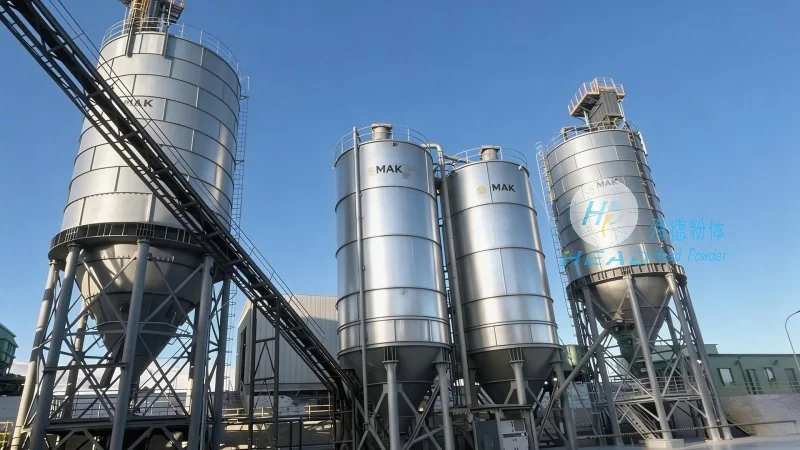
Firstly, the material handling capacity is a significant factor. High-capacity conveyors are essential for large-scale cement production, where the volume of raw materials processed daily can be substantial. The design of the hopper and conveyor tube must be optimized to handle the specific bulk density and flow characteristics of the raw materials, ensuring consistent throughput without clogging or blockages. This is particularly important for materials like limestone, which can vary in particle size and moisture content, affecting their flowability.
Secondly, the system's ability to maintain material integrity is a key feature. Cement raw materials are sensitive to moisture and temperature changes, which can affect their reactivity and final product quality. The conveyor design must minimize exposure to ambient conditions, using sealed systems to prevent contamination and moisture absorption. For example, pneumatic conveyors often incorporate insulation and moisture-resistant materials to protect the materials during transport. This feature is crucial for maintaining the chemical properties of the raw materials, ensuring that the cement produced is of high quality and consistent.
Thirdly, the energy efficiency of the conveyor system is an important consideration. In industrial settings, energy costs represent a significant portion of operational expenses. Modern cement raw material powder conveyors are designed with energy-efficient drive mechanisms and optimized airflow or screw rotation speeds. This reduces the overall energy consumption while maintaining the required material transport rates. Some systems also incorporate variable speed drives, allowing operators to adjust the conveyor speed based on the material load and production needs, further enhancing energy efficiency.
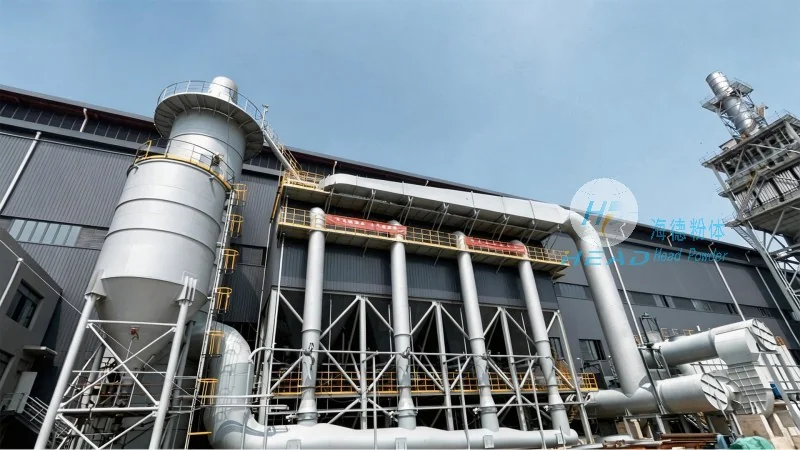
Fourthly, the system's durability and maintenance requirements are critical for long-term operational reliability. The components of the conveyor, such as the hopper, conveyor tube, and drive mechanism, are subject to continuous wear and tear from the abrasive nature of cement raw materials. High-quality materials, such as stainless steel or specialized alloys, are used to construct the conveyor parts, ensuring resistance to corrosion and wear. Additionally, the design incorporates features that facilitate easy maintenance, such as quick-release connections and accessible inspection points. This reduces downtime and maintenance costs, contributing to the overall cost-effectiveness of the system.
Cement raw material powder conveyors are widely used in the cement manufacturing process for various applications. The primary function is to transport raw materials from storage silos or quarries to the grinding and mixing units. This ensures a continuous supply of raw materials, which is essential for maintaining production rates and meeting market demand. The conveyors also play a role in the blending process, where different raw materials are mixed in precise ratios to achieve the desired chemical composition for the cement clinker.
The benefits of using specialized cement raw material powder conveyors extend beyond mere transportation. By ensuring consistent material flow and maintaining the integrity of the raw materials, these systems contribute to the overall quality of the cement product. This leads to improved performance in construction applications, where the strength and durability of the cement are critical. Additionally, the efficient handling of raw materials reduces waste and minimizes the environmental impact of the cement production process, aligning with sustainability goals in the industry.
For industrial facilities, the selection of the appropriate cement raw material powder conveyor is a strategic decision that impacts operational efficiency and product quality. By understanding the working principles and key features of these systems, manufacturers can choose the most suitable equipment for their specific needs. The integration of advanced technologies, such as automated control systems and real-time monitoring, further enhances the performance and reliability of the conveyor systems, ensuring long-term success in cement production.

 Shandong Headpowder Engineering Co., Ltd.
 156-6277-7102(Manager Zhang)
  0531-83386006
  Zhangqiu District, Jinan City, Shandong Province, China
telephone
WeChatconsult
top