

Working Principle and Features of Metallurgical Coke Powder Conveying Systems
Metallurgical coke powder conveying systems are critical components in industrial processes, particularly in the steel and metallurgical industries. These systems are designed to efficiently transport coke powder, a vital raw material, from storage to processing units. The performance and reliability of such systems directly impact production efficiency and operational costs. This article provides an in-depth look at the working principles and key features of metallurgical coke powder conveying systems, highlighting the expertise of Shandong HeadPowder Engineering Co., Ltd. from China.
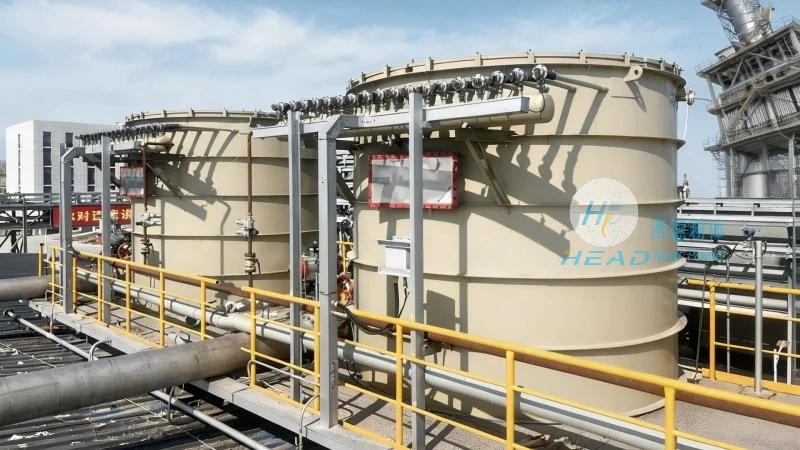
Overview of Metallurgical Coke Powder Conveying Systems
Metallurgical coke powder conveying systems are engineered to handle the unique properties of coke powder, which includes its fine particle size, low bulk density, and potential for dust generation. The primary goal is to ensure safe, efficient, and consistent transport of coke powder from storage silos or hoppers to various processing equipment such as blast furnaces, sintering machines, or other industrial units. The systems are typically integrated with dust control measures to maintain a clean and safe working environment.
The Working Principle of Metallurgical Coke Powder Conveying Systems
The core working principle of metallurgical coke powder conveying systems revolves around the use of pneumatic or mechanical conveying methods. Pneumatic conveying systems utilize compressed air or other gases to move the powder through a network of pipes. In this method, the coke powder is fed into a hopper, where it is then introduced into the conveying line. The air flow creates a negative pressure or positive pressure environment that propels the powder forward. Mechanical conveying systems, on the other hand, employ screw conveyors, belt conveyors, or bucket elevators to physically move the powder. These systems rely on mechanical components like screws, belts, or buckets to transport the material through the system.
In pneumatic conveying, the system typically consists of a feeding unit, a conveying line, and a discharge unit. The feeding unit ensures a consistent flow of coke powder into the system, while the conveying line transports the powder to the destination. The discharge unit then releases the powder into the processing equipment. The air flow rate and pressure are carefully controlled to maintain optimal conveying efficiency and prevent material degradation or blockages. Mechanical systems may include additional components like feeders, speed controllers, and safety valves to regulate the flow and protect the equipment from overloading.
Key Features of Metallurgical Coke Powder Conveying Systems
Metallurgical coke powder conveying systems from Shandong HeadPowder Engineering Co., Ltd. are characterized by several key features that enhance their performance and reliability. These features are tailored to meet the specific demands of coke powder handling in industrial settings.
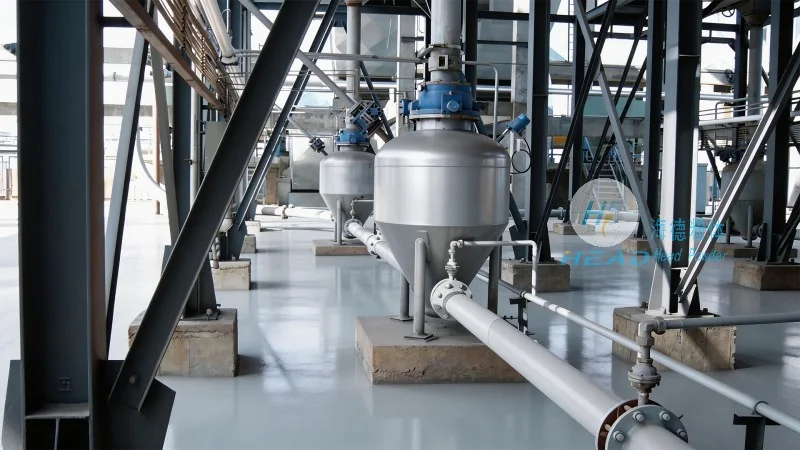
1. High Efficiency and Low Energy Consumption
Efficiency is a critical feature of these systems. Advanced designs minimize energy consumption while maximizing conveying capacity. This is achieved through optimized air flow management in pneumatic systems and precise speed control in mechanical systems. The systems are engineered to handle large volumes of coke powder with minimal power input, reducing operational costs for industrial clients.
2. Dust Control and Environmental Protection
Due to the fine nature of coke powder, dust control is a paramount concern. The systems incorporate advanced dust collection and filtration systems to prevent airborne dust, which is essential for maintaining a safe working environment and complying with environmental regulations. Features such as sealed hoppers, enclosed conveying lines, and efficient dust extraction systems are standard in these designs.
3. Material Handling Flexibility
The systems are designed to handle a wide range of coke powder characteristics, including different particle sizes, moisture contents, and bulk densities. This flexibility allows the systems to be adapted to various industrial applications, from small-scale operations to large-scale steel production facilities. The ability to handle diverse materials without compromising performance is a key advantage.
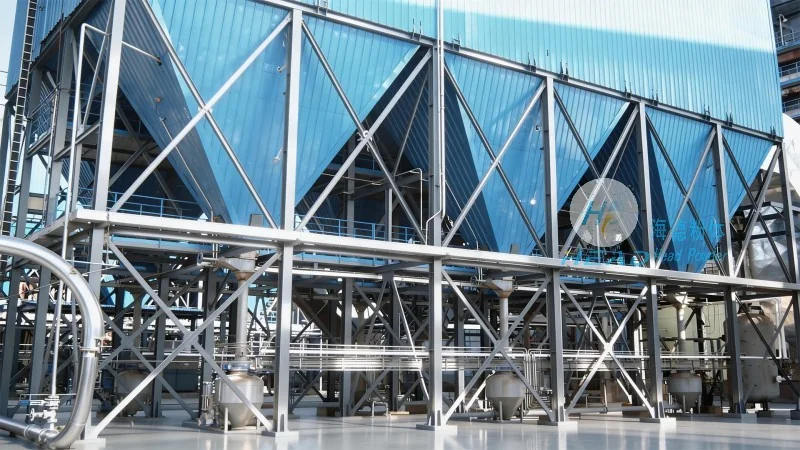
4. Reliability and Durability
Reliability is crucial for continuous industrial operations. The components of the conveying systems are constructed from high-quality materials that resist corrosion, wear, and abrasion, ensuring long service life. Regular maintenance and robust design features, such as overload protection and automatic shutdown mechanisms, further enhance system reliability and minimize downtime.
5. Customization and Integration
Shandong HeadPowder Engineering Co., Ltd. offers customized solutions tailored to the specific needs of each client. The systems can be integrated with existing industrial infrastructure, including storage silos, processing units, and control systems. This integration ensures seamless operation and optimal performance within the overall production process.
Application and Benefits in Metallurgical Industry
The effective operation of metallurgical coke powder conveying systems directly contributes to the efficiency and productivity of metallurgical plants. By ensuring a consistent and reliable supply of coke powder, these systems help maintain steady production rates and reduce the risk of material shortages or disruptions. The features discussed above, such as high efficiency, dust control, and reliability, collectively contribute to lower operational costs and improved overall plant performance.
For industrial clients in the steel and metallurgical sectors, investing in a high-quality coke powder conveying system from Shandong HeadPowder Engineering Co., Ltd. is a strategic decision that enhances operational efficiency, ensures safety, and supports long-term productivity. The company’s expertise in engineering and manufacturing ensures that clients receive systems that are tailored to their specific requirements and operational environments.