With more than 10‑year industry experience, Shandong Headpowder delivers full‑service pneumatic‑conveying systems and blowers, undertaking nationwide turn‑key powder‑handling projects.
Handling fine powders presents a unique set of challenges in industrial manufacturing, ranging from dust containment to maintaining consistent flow rates. Unlike bulk solids, fine powders tend to be cohesive, prone to arching, and highly susceptible to environmental conditions. Consequently, selecting the right method for fine powder transportation is critical for operational efficiency and product integrity. This article provides an in-depth analysis of the various methods used for transporting fine powders, with a specific focus on the advanced solutions provided by Shandong Headpowder Engineering Co., Ltd.
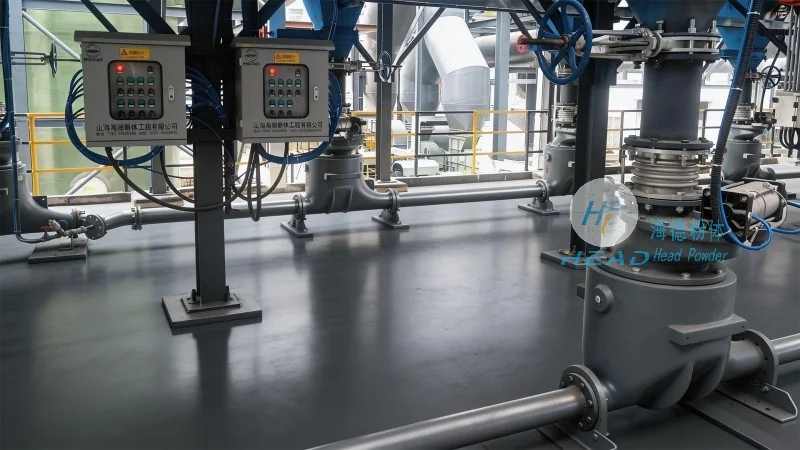
Before diving into specific technologies, it is essential to understand the physical properties of fine powders that dictate the choice of transportation equipment. Fine powders have a high surface-area-to-volume ratio, which makes them interact heavily with air and container walls. This interaction can lead to issues such as static electricity, caking, and severe wear on equipment components. Effective material conveying systems must account for these characteristics to ensure that the product reaches its destination without degradation or loss. The goal is to create a closed-loop system that minimizes exposure to the external environment while maximizing throughput.
The core mechanism of fine powder pneumatic conveying relies on the precise control of airflow. The system utilizes compressed air or vacuum to create a pressure differential that moves the material through a pipeline. There are two primary modes of operation: dilute phase and dense phase. In dilute phase conveying, the material is suspended in a high-velocity stream of air. This method is energy-intensive but is excellent for moving materials over long distances without the risk of degradation. However, for fine powders that are particularly fragile or prone to attrition, dense phase conveying is often preferred. In this mode, the material moves in plugs or slugs rather than a fluidized cloud, significantly reducing the velocity and the impact on the powder particles, thereby preserving the quality of the material conveying process.
There are several established techniques for moving fine powders, each suited for specific industrial applications. One of the most common methods is the vacuum system, which is ideal for collecting material from multiple points and transporting it to a central collection vessel. This method is particularly advantageous in environments where dust control is paramount, as the system is sealed, preventing leakage. Conversely, positive pressure systems are often used when the material needs to be pushed over a long distance to a single discharge point. These systems require careful design to ensure that the air pressure is sufficient to move the powder but not so high as to cause excessive wear on the pipe walls. Selecting the correct method depends heavily on the specific chemical and physical properties of the powder being handled.
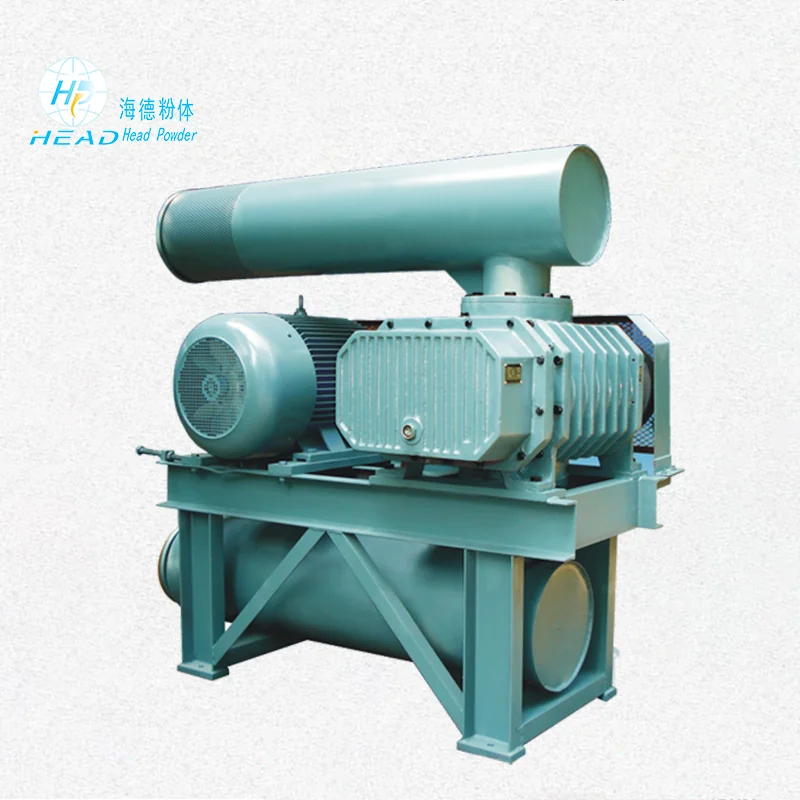
Shandong Headpowder Engineering Co., Ltd. has established itself as a leader in the field of specialized fine powder conveying. As a company deeply rooted in Shandong, China, Headpowder combines local manufacturing expertise with international engineering standards. The company specializes in designing customized systems that address the specific nuances of fine powder handling. Whether the application involves plastic pellets, flour, cement additives, or pharmaceutical powders, Headpowder engineers develop solutions that optimize energy efficiency and reduce operational costs. Their focus on fine powder pneumatic conveying ensures that clients receive equipment that is not only robust but also tailored to their specific production line requirements.
The systems developed by Headpowder are characterized by their durability and precision. A critical component of their technology is the use of high-quality wear-resistant materials and advanced valve technology. In material conveying, wear and tear are inevitable, but Headpowder mitigates this risk by utilizing specialized liners and bends that are designed to withstand the abrasive nature of fine powders. Furthermore, their control systems offer real-time monitoring, allowing operators to adjust airflow and pressure dynamically. This level of control ensures that the system runs at peak efficiency, preventing blockages and minimizing downtime. The engineering team at Headpowder understands that every milligram of powder counts, and their systems are designed to ensure maximum recovery and minimal waste.
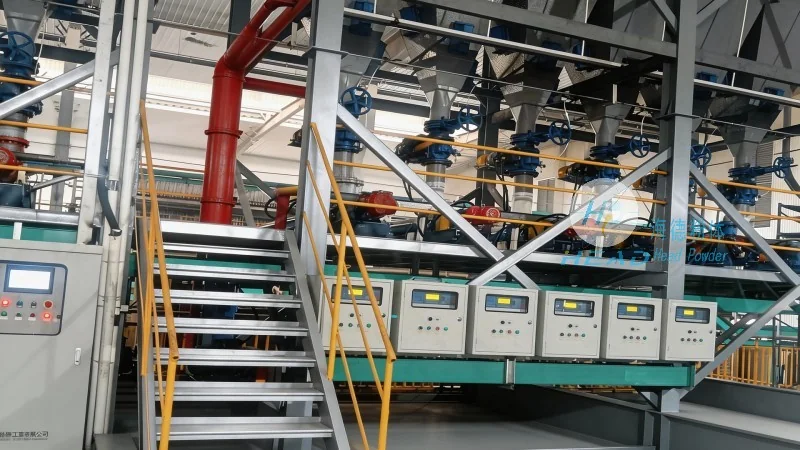
One of the most significant hurdles in fine powder transportation is the phenomenon of segregation, where particles of different sizes or densities separate from the mixture. Headpowder’s engineering solutions are specifically designed to counteract segregation by utilizing specific conveying velocities and pipe geometries. Additionally, they address the issue of material degradation. By carefully balancing the pressure and velocity in dense phase systems, they ensure that delicate powders remain intact from the hopper to the final destination. This attention to detail sets Headpowder apart in the competitive landscape of powder handling equipment.
Choosing the right partner for fine powder conveying is as important as choosing the equipment itself. Shandong Headpowder Engineering Co., Ltd. offers comprehensive support, from initial site surveys and feasibility studies to installation and after-sales service. Their commitment to quality ensures that every system they deliver meets stringent industry standards. By leveraging their expertise in fine powder pneumatic conveying, clients can achieve a cleaner, safer, and more efficient production environment. The company’s reputation is built on reliability, and their track record in Shandong and beyond speaks to their capability to deliver complex projects on time and within budget.
In conclusion, the transportation of fine powders is a sophisticated process that requires specialized knowledge and high-quality equipment. Shandong Headpowder Engineering Co., Ltd. stands at the forefront of this industry, providing innovative fine powder conveying solutions that meet the rigorous demands of modern industry. Their dedication to engineering excellence and customer satisfaction makes them the ideal partner for any business looking to optimize their material handling processes. For detailed consultation regarding system design, technical specifications, or to discuss your specific material conveying needs, please contact Zhang Manager at Headpowder. Their team is ready to assist you in finding the most efficient solution for your powder handling challenges.

 Shandong Headpowder Engineering Co., Ltd.
 156-6277-7102(Manager Zhang)
  0531-83386006
  Zhangqiu District, Jinan City, Shandong Province, China
telephone
WeChatconsult
top