

What is a Light Calcium Carbonate Material Pneumatic Conveying Equipment? What Are Its Design Princi
Light calcium carbonate is a widely used industrial material, and its efficient handling is crucial for production processes. Pneumatic conveying equipment offers a solution for transporting this material, especially in applications where traditional methods may be less effective. This article explores the concept of light calcium carbonate material pneumatic conveying equipment and delves into its design principles, providing insights into how such systems operate and are engineered.
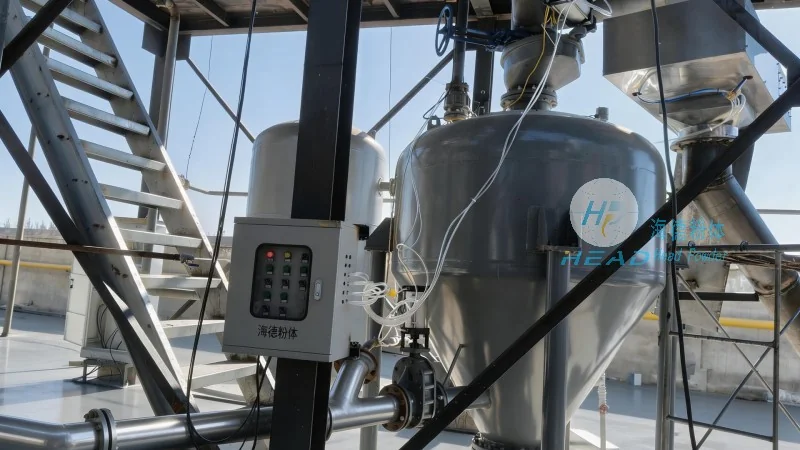
Introduction to Light Calcium Carbonate Material Pneumatic Conveying Equipment
Light calcium carbonate, also known as precipitated calcium carbonate (PCC), is a fine powder commonly used in various industries, including plastics, paper, and coatings. The material's fine particle size and low density make it challenging to handle using conventional methods like belt conveyors or bucket elevators. Pneumatic conveying equipment provides an effective solution by using air to transport the material through a pipeline system. This technology is particularly advantageous for light calcium carbonate due to its ability to handle fine powders without causing excessive wear or degradation.
Key Components of Pneumatic Conveying Systems for Light Calcium Carbonate
A typical pneumatic conveying system for light calcium carbonate consists of several key components that work together to ensure efficient material transport. These components include the material feed hopper, the air supply system (usually a blower or compressor), the conveying pipeline, and the discharge unit. The feed hopper is designed to store and feed the light calcium carbonate into the system at a controlled rate, preventing blockages and ensuring a steady flow. The air supply system generates the necessary pressure or vacuum to move the material through the pipeline. The conveying pipeline is typically made of materials resistant to corrosion and abrasion, such as stainless steel or special plastics, to withstand the fine particles and prevent system wear. The discharge unit is responsible for releasing the material at the destination point, often with a control valve to regulate the flow.
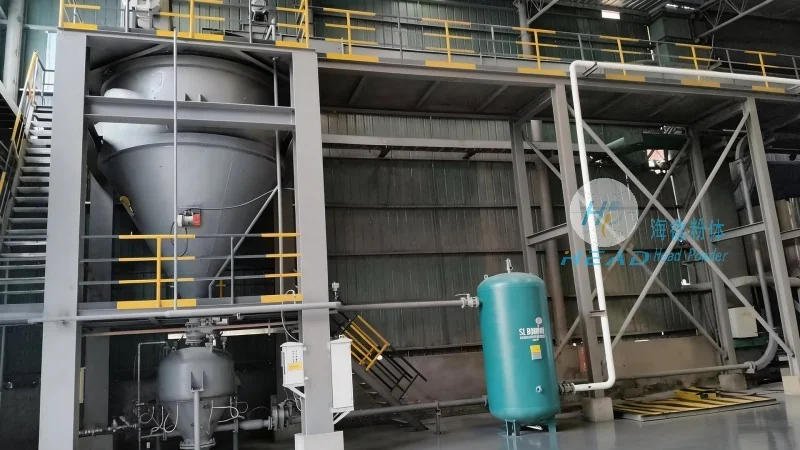
Design Principles for Light Calcium Carbonate Pneumatic Conveying Equipment
The design of light calcium carbonate pneumatic conveying equipment follows specific principles to optimize performance and ensure reliability. One of the primary design considerations is the material's properties, such as particle size, density, and flowability. The system must be engineered to handle the specific characteristics of light calcium carbonate to prevent issues like clogging or uneven flow. The air velocity in the pipeline is a critical factor; it must be sufficient to lift and transport the material but not so high as to cause excessive energy consumption or particle degradation. The system's pressure drop is another important design aspect, as it affects the overall efficiency and energy usage. Engineers must calculate the appropriate air velocity and pressure to achieve optimal conveying performance while minimizing energy costs.
Advantages of Using Pneumatic Conveying for Light Calcium Carbonate
Pneumatic conveying equipment offers several advantages when handling light calcium carbonate. One of the main benefits is the ability to transport the material over long distances without the need for multiple transfer points or intermediate storage. This reduces the risk of material contamination and improves overall process efficiency. The system also provides a closed environment, which helps maintain product quality and prevents dust emissions, making it more environmentally friendly compared to open-air handling methods. Additionally, pneumatic conveying can handle varying material flow rates, allowing for flexible production processes. The equipment is also relatively easy to install and maintain, with fewer moving parts compared to traditional mechanical conveyors, reducing downtime and maintenance costs.
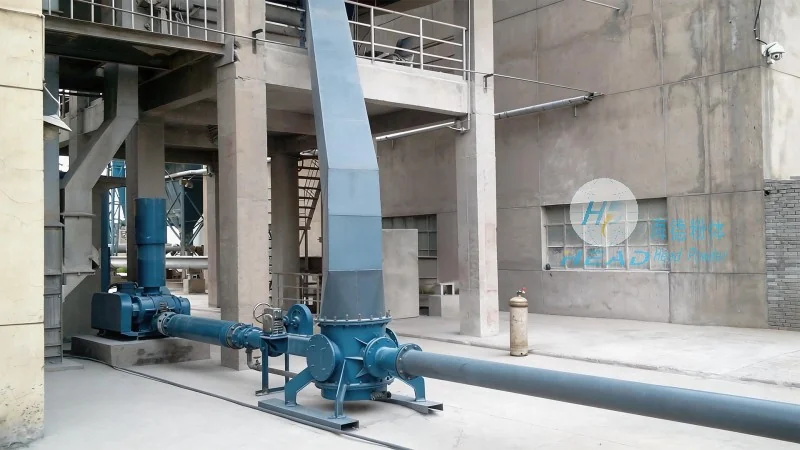
Application Examples in the Light Calcium Carbonate Industry
Light calcium carbonate pneumatic conveying equipment is widely used in various applications within the industry. For instance, in the plastics manufacturing sector, the material is often used as a filler in polymer compounds. Pneumatic conveying systems efficiently transport the light calcium carbonate from storage to the mixing and extrusion lines, ensuring consistent material addition and improving product quality. In the paper industry, light calcium carbonate is used as a coating or filler in paper production. The conveying equipment delivers the material to the paper machine's coating section, where it is evenly distributed to enhance the paper's properties. Similarly, in the coatings and paints industry, the material is used as a pigment or filler, and pneumatic conveying systems ensure precise and consistent addition to the production process.
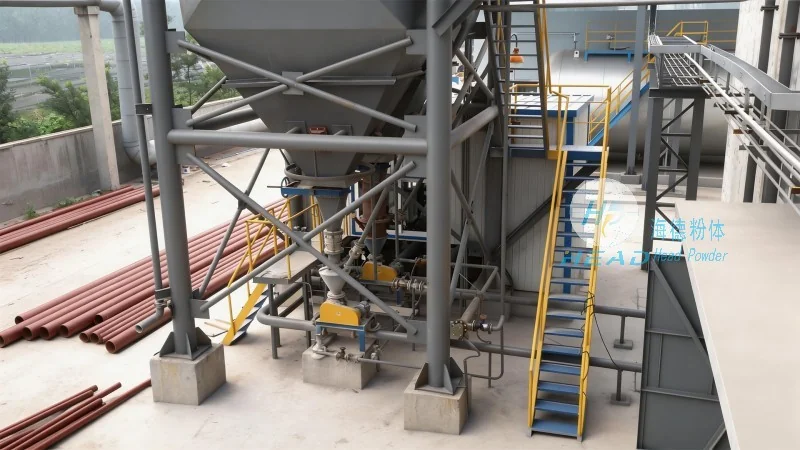
Considerations for Selecting the Right Pneumatic Conveying System
When selecting a pneumatic conveying system for light calcium carbonate, several factors must be considered to ensure the best fit for the application. The first consideration is the material's characteristics, including particle size distribution, moisture content, and flowability. These factors influence the choice of conveying method, such as pressure or vacuum systems, and the design of the components. The system's capacity and the required conveying distance are also critical. Engineers must calculate the necessary air flow rate and pressure to handle the material volume and distance efficiently. The system's reliability and maintenance requirements are important as well. Choosing a system with durable components and easy maintenance can reduce operational costs and downtime. Additionally, the system's compatibility with existing production lines and the available space for installation should be considered to ensure smooth integration.
Conclusion: The Importance of Proper Design and Implementation
Light calcium carbonate material pneumatic conveying equipment is a vital component in many industrial processes, offering efficient and reliable transport of fine powders. The design principles and components of such systems are carefully engineered to handle the specific properties of light calcium carbonate, ensuring optimal performance and minimal issues. By understanding the key aspects of pneumatic conveying, including the components, design principles, and advantages, industries can select and implement the right system to enhance their production processes. Proper design and implementation of these systems are crucial for maintaining product quality, improving efficiency, and reducing operational costs. As the demand for light calcium carbonate continues to grow, the importance of effective material handling systems like pneumatic conveyors becomes increasingly significant.