

Lithium Iron Carbonate Material Pneumatic Conveying Equipment: What It Is and Its Design Principles
HeadPowder, a leading manufacturer based in Shandong, China, specializes in the design and production of advanced pneumatic conveying systems tailored for handling lithium iron carbonate materials. This equipment is crucial in modern industrial processes where efficient and safe material transport is essential.
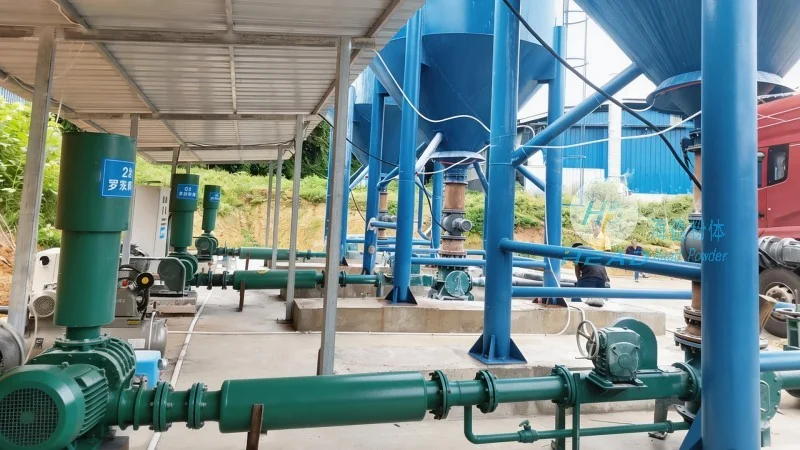
Pneumatic Conveying Equipment for Lithium Iron Carbonate: An Overview
Lithium iron carbonate (LiFeCO₃) is a vital component in the production of lithium-ion batteries, making its handling and transportation a critical step in the battery manufacturing chain. The pneumatic conveying equipment designed for this material ensures that the process is carried out with minimal dust, reduced contamination, and enhanced operational safety. These systems are engineered to handle the specific physical and chemical properties of lithium iron carbonate, such as its fine particle size and potential reactivity under certain conditions.
Key Components and Design Principles of the Equipment
The pneumatic conveying system for lithium iron carbonate typically consists of several key components that work in tandem to achieve efficient material transport. The primary components include a feeding hopper, a rotary valve, a conveying line (often equipped with pulse jet filters or cyclone separators), and a receiving hopper. The design principles focus on maintaining a consistent flow rate, minimizing pressure drops, and ensuring that the material is conveyed without degradation or agglomeration.
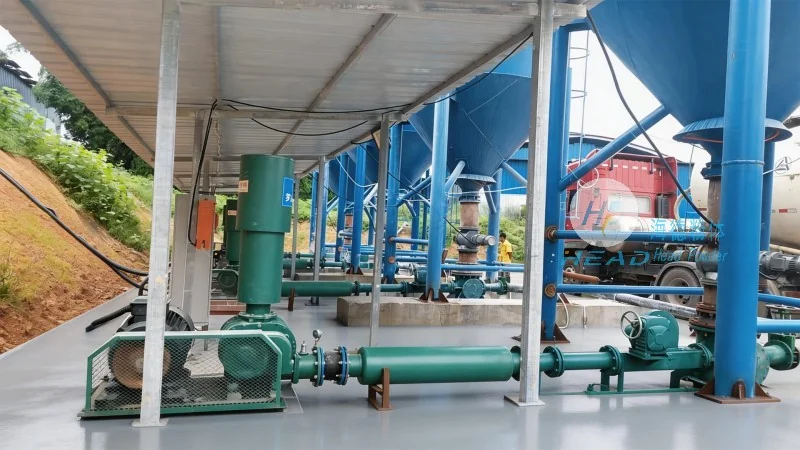
One of the critical design aspects is the selection of appropriate materials for the conveying line and components. Since lithium iron carbonate can be abrasive and may cause corrosion under certain conditions, the equipment is constructed using high-quality stainless steel or other corrosion-resistant materials. This ensures longevity and reliability in long-term operation. The feeding mechanism, often a rotary valve, is designed to control the flow of material into the conveying line, preventing blockages and ensuring a steady supply of material.
Working Principle and Operational Efficiency
The operation of the pneumatic conveying equipment for lithium iron carbonate relies on the principle of air movement to transport the material. The system uses a blower or a positive displacement pump to generate the necessary air pressure, which then propels the material particles through the conveying line. The air velocity is carefully controlled to ensure that the material is carried without excessive wear on the equipment and to maintain the integrity of the particles. The design incorporates features like pulse jet filters to capture any dust or fine particles, ensuring that the material is delivered in a clean and controlled manner to the receiving hopper.
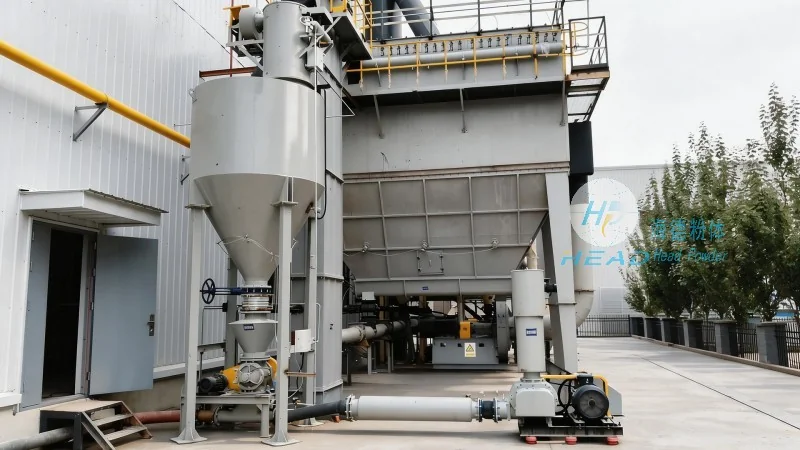
Operational efficiency is a key consideration in the design of this equipment. The system is optimized to minimize energy consumption while maximizing the throughput of lithium iron carbonate. By using a combination of high-efficiency blowers and optimized conveying line diameters, the equipment achieves a balance between performance and energy use. Additionally, the control systems are designed to monitor pressure, flow rate, and other parameters in real-time, allowing for immediate adjustments to maintain optimal operation.
Advantages and Applications
The pneumatic conveying equipment for lithium iron carbonate offers several advantages over traditional methods like belt conveyors or bucket elevators. These include reduced labor costs due to automated operation, lower risk of material contamination, and improved safety in handling fine powders. The equipment is particularly suitable for applications in battery manufacturing plants, where the purity and consistency of lithium iron carbonate are paramount. It is also used in research and development facilities for testing new formulations and in pilot plants for scale-up processes.
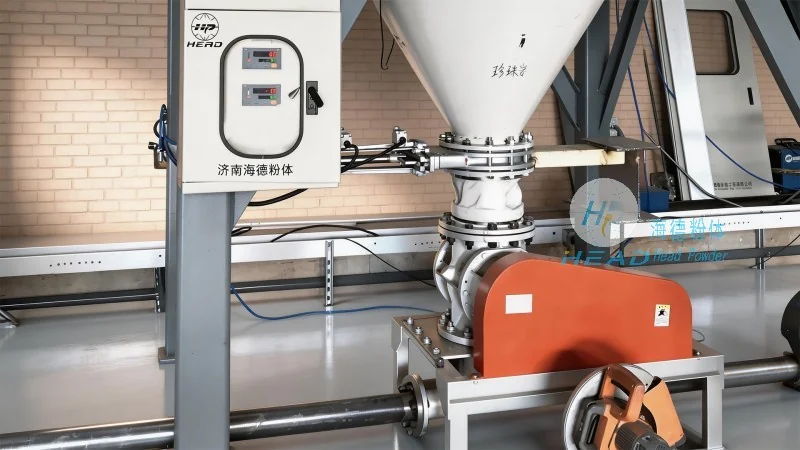
Another significant advantage is the ability to handle the material in a closed system, which helps in controlling dust emissions and maintaining a clean working environment. This is crucial in industries where environmental regulations are stringent and where product quality is non-negotiable. The equipment can be customized to meet specific production requirements, including varying throughput rates and different material compositions, making it a versatile solution for various industrial applications.
Conclusion
HeadPowder's pneumatic conveying equipment for lithium iron carbonate is a sophisticated solution that combines advanced engineering with practical design to meet the demands of modern battery manufacturing. By focusing on the specific properties of lithium iron carbonate and implementing robust design principles, the equipment ensures efficient, safe, and reliable material transport. As a leading company based in Shandong, China, HeadPowder continues to innovate and provide high-quality solutions that enhance the productivity and safety of industrial processes.