

What Are Continuous Material Pneumatic Conveying Systems? Exploring Design Principles
Continuous material pneumatic conveying systems represent a sophisticated method for transporting bulk materials through a pipeline using pressurized air or other gas streams. This technology is widely utilized across various industries, including food processing, pharmaceuticals, chemicals, and minerals, due to its ability to handle a diverse range of materials with precision and efficiency. The core of these systems lies in their continuous operation, which minimizes downtime and enhances productivity compared to traditional batch or intermittent conveying methods.
Understanding the Core Components of Pneumatic Conveying Equipment
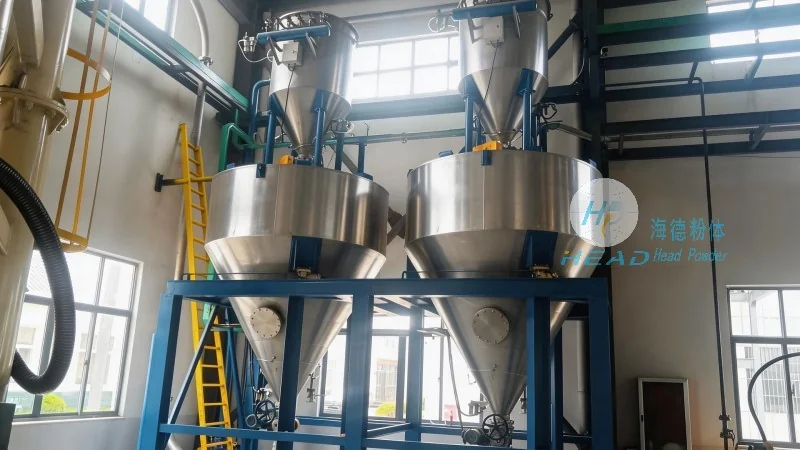
At the heart of a continuous material pneumatic conveying system are several key components that work in tandem to ensure smooth material transport. The primary elements include a material feed hopper, which stores and feeds the bulk material into the system; a conveying line, typically made of metal or flexible tubing, that transports the material; and a control system that regulates air pressure and flow rates. Additionally, these systems may incorporate components such as air compressors, filters, and cyclones to manage air quality and separate material from the gas stream. Each component is meticulously designed to handle the specific characteristics of the material being conveyed, such as particle size, density, and moisture content.
Design Principles Behind Continuous Pneumatic Conveying
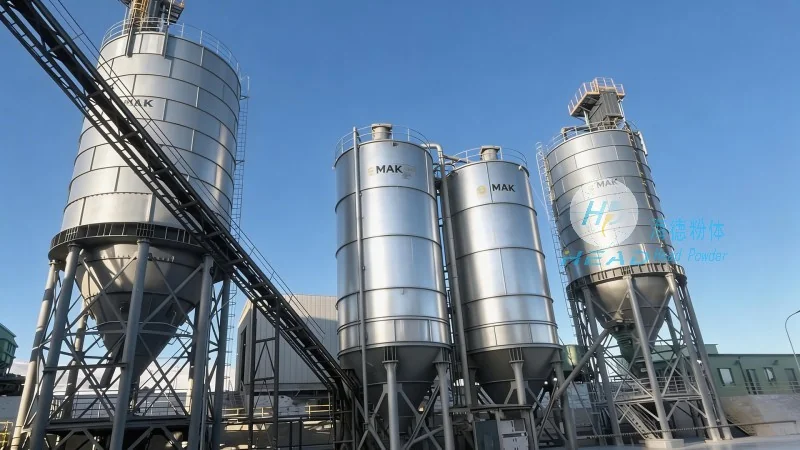
The design of continuous material pneumatic conveying systems is governed by several fundamental principles aimed at optimizing performance and reliability. One of the most critical principles is maintaining a consistent air velocity within the conveying line, which is essential for preventing material deposition and ensuring uniform transport. Engineers must calculate the appropriate air velocity based on the material's properties, such as its bulk density and flowability, to achieve optimal conveying efficiency. Another key principle is the use of pressure or vacuum systems, where pressure systems are commonly used for short to medium distances and vacuum systems for longer distances or when materials need to be drawn from multiple sources. The design also considers the system's capacity, which is determined by the material feed rate and the air flow rate, ensuring that the system can handle the required throughput without excessive energy consumption or pressure drop.
Applications and Industries Benefiting from Continuous Pneumatic Conveying
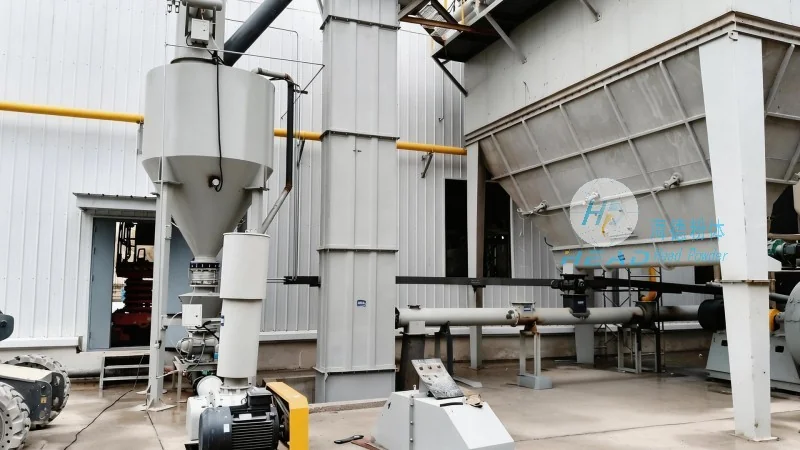
Continuous material pneumatic conveying systems find extensive applications across multiple industries, each leveraging the technology's unique advantages. In the food and beverage sector, these systems are used to transport powders like flour, sugar, and spices, ensuring hygienic and dust-free handling. The pharmaceutical industry relies on them for conveying active pharmaceutical ingredients (APIs) and excipients, maintaining strict contamination control and product integrity. In the chemical industry, they handle various powders and granules, such as fertilizers, pigments, and catalysts, with precision and minimal product degradation. The minerals and mining sector utilizes these systems for transporting ores, concentrates, and tailings, improving operational efficiency and reducing handling costs. Each application requires tailored system design to meet specific industry standards and material characteristics.
Advantages of Continuous Pneumatic Conveying Over Traditional Methods
Compared to traditional conveying methods like belt conveyors or bucket elevators, continuous material pneumatic conveying offers several distinct advantages. One of the most significant benefits is the ability to handle a wide variety of materials, including those that are abrasive, corrosive, or sensitive to moisture. The enclosed system prevents dust emissions and contamination, making it ideal for applications where product purity is paramount. Additionally, continuous systems operate with minimal maintenance, as they have fewer moving parts compared to mechanical conveyors, reducing downtime and operational costs. The flexibility of pneumatic conveying allows for easy integration into existing production lines, enabling seamless material transfer between processes. Furthermore, these systems can be designed for both horizontal and vertical transport, providing versatility in plant layouts and material handling requirements.
Customization and Engineering by Shandong HeadPowder Engineering Co., Ltd.
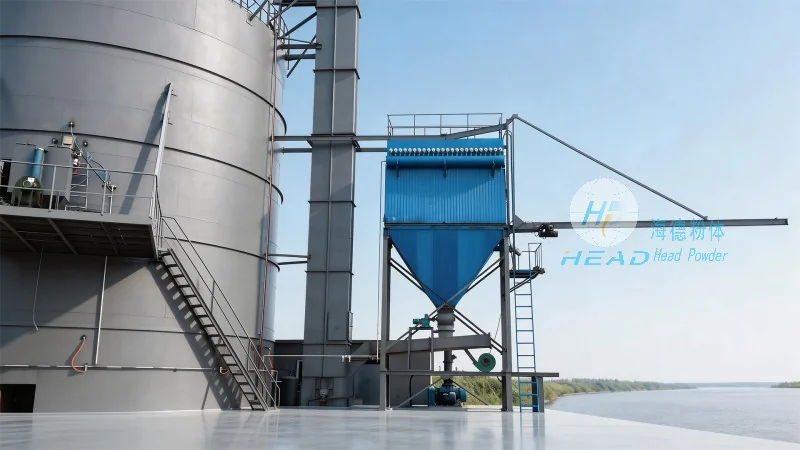
Shandong HeadPowder Engineering Co., Ltd., a leading manufacturer based in China, specializes in the design, development, and manufacturing of continuous material pneumatic conveying systems. With a strong commitment to quality and innovation, the company provides tailored solutions to meet the unique needs of its clients. The company's engineering team leverages advanced design principles and extensive industry experience to develop systems that optimize performance, efficiency, and reliability. Whether for small-scale operations or large industrial facilities, HeadPowder offers a range of products that cater to diverse material handling requirements. The company's focus on customer satisfaction and technical excellence has established it as a trusted partner in the industry, delivering high-quality pneumatic conveying equipment that meets international standards. HeadPowder's facilities, located in Shandong, China, are equipped with state-of-the-art technology and skilled personnel to ensure precision in every aspect of system design and manufacturing.