

What is a Bentonite Powder Pneumatic Conveying Machine? And What Are Its Design Principles?
Understanding the fundamentals of bentonite powder pneumatic conveying machines is crucial for industries that rely on efficient material handling. These specialized systems are designed to transport bentonite powder, a versatile clay material, through a pneumatic conveying process. The technology behind these machines combines air flow with mechanical components to achieve seamless material transfer, ensuring minimal product degradation and optimal operational efficiency.
Key Components and Design Principles
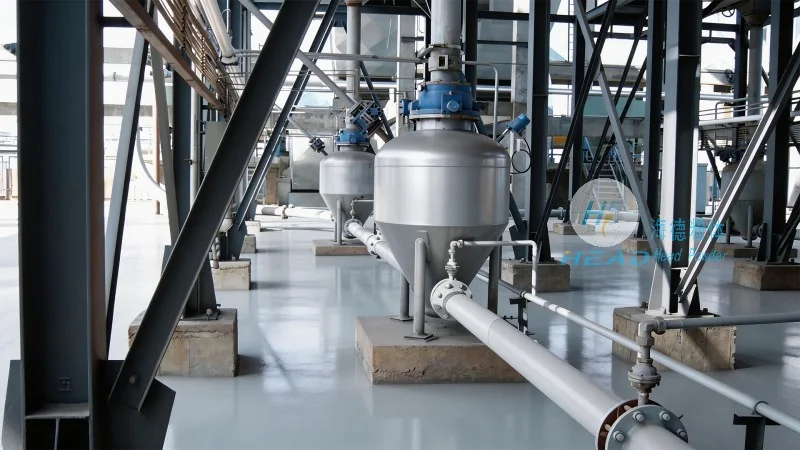
The design of a bentonite powder pneumatic conveying machine involves several critical components that work in harmony to facilitate the conveying process. The primary components include a hopper for material storage, a rotary valve or feeder to control the flow of bentonite powder, a pipeline system for air and material transport, and a receiver or discharge unit for the final delivery. The design principles focus on maintaining consistent air pressure, controlling material flow rates, and ensuring the integrity of the bentonite powder during transit. Engineers from Shandong HeadPowder Engineering Co., Ltd. employ advanced engineering techniques to optimize these components, ensuring that the machine meets the specific requirements of different industrial applications.
How the Pneumatic Conveying Process Works
The pneumatic conveying process for bentonite powder operates by using compressed air to move the powder through the pipeline. The system typically uses either positive pressure or negative pressure (or a combination of both) to create the necessary force for material transport. In a positive pressure system, air is forced into the pipeline, pushing the bentonite powder forward. The rotary valve or feeder at the hopper regulates the amount of powder released into the pipeline, ensuring a steady flow. The pipeline design, including bends and elbows, is carefully engineered to minimize pressure drop and prevent material buildup or blockages. The receiver at the end of the pipeline collects the conveyed bentonite powder, ready for further processing or use. This process is highly efficient, as it eliminates the need for mechanical components like belts or buckets, reducing maintenance requirements and increasing operational reliability.
Benefits of Using Bentonite Powder Pneumatic Conveying Machines
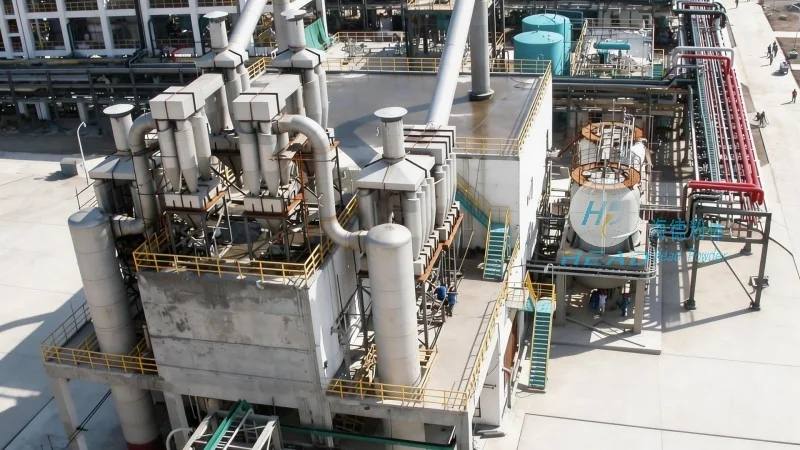
Implementing a bentonite powder pneumatic conveying machine offers numerous benefits for industrial operations. One of the key advantages is the ability to transport bentonite powder over long distances without the need for intermediate storage or transfer points. This reduces the risk of material contamination and ensures a continuous supply of the powder. The system also minimizes product degradation, as the pneumatic conveying process is gentle on the material, preserving its quality and properties. Additionally, these machines are designed for easy integration into existing production lines, allowing for seamless workflow optimization. The compact design of the equipment saves valuable floor space, making it suitable for both new installations and retrofitting in existing facilities. Shandong HeadPowder Engineering Co., Ltd. specializes in providing customized solutions that cater to the unique needs of each client, ensuring that the benefits of pneumatic conveying are fully realized.
Applications in Various Industries
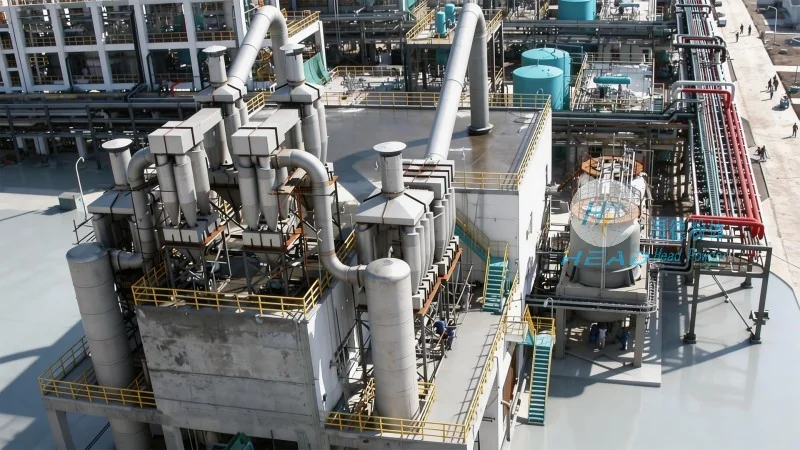
Bentonite powder is widely used in various industries, and the pneumatic conveying machines designed by Shandong HeadPowder Engineering Co., Ltd. are tailored to meet the demands of these sectors. In the oil and gas industry, bentonite is used as a drilling fluid additive, and the conveying machines ensure a consistent supply of high-quality bentonite to drilling sites. In the paper and pulp industry, bentonite is used as a filler or coating agent, and the pneumatic conveying system maintains the purity of the powder during transport. The construction industry also benefits from the efficient transport of bentonite powder, which is used in cement and mortar applications. Each application requires specific design considerations, such as material flow rates, pressure requirements, and pipeline configurations, which are addressed by the engineers at HeadPowder. The company's expertise in bentonite powder handling ensures that the conveying machines are optimized for performance and reliability in diverse industrial environments.
Maintenance and Operational Considerations
Proper maintenance is essential to ensure the long-term performance and reliability of a bentonite powder pneumatic conveying machine. Regular inspections of the hopper, rotary valve, and pipeline system are necessary to detect any signs of wear or blockages. The air compressor and filtration system should be checked regularly to maintain optimal air quality and pressure. The rotary valve and feeder components require periodic lubrication and cleaning to prevent material buildup and ensure smooth operation. HeadPowder provides comprehensive maintenance services and technical support to clients, ensuring that the machines operate at peak efficiency. Operational considerations also include monitoring the pressure and flow rates during the conveying process to prevent overloading or underloading of the system. By following recommended maintenance procedures and operational guidelines, users can maximize the lifespan of the equipment and minimize downtime. The company's commitment to quality and customer support ensures that clients receive the necessary assistance to keep their bentonite powder pneumatic conveying machines running smoothly.