

What is Stone Aggregate Material Handling? And What Are Its Design Principles?
Stone aggregate material handling is a critical process in the construction and mining industries, involving the efficient transportation of loose materials such as gravel, sand, and crushed stone. This process is essential for ensuring smooth operations in various applications, from road construction to concrete production. Understanding the mechanisms and design principles behind these systems is vital for optimizing performance and minimizing operational costs.
Introduction to Stone Aggregate Material Handling
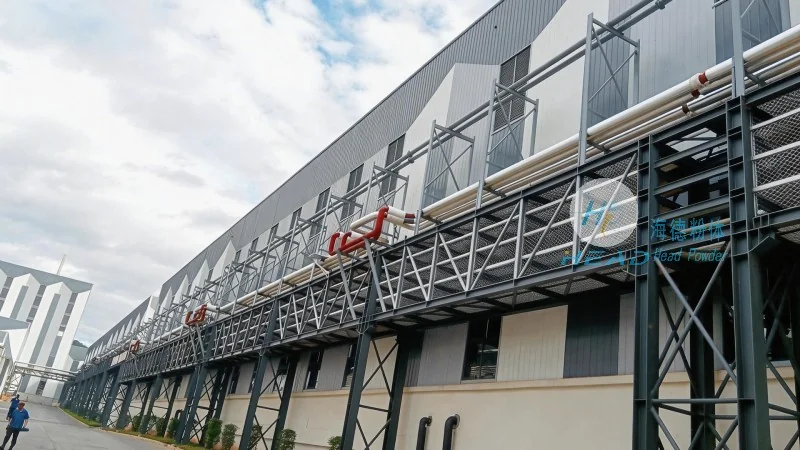
Stone aggregate material handling refers to the methods and equipment used to move bulk materials like crushed stone, sand, and gravel from one location to another. These materials are fundamental components in construction projects, serving as key ingredients in concrete, asphalt, and other building materials. The efficiency of material handling directly impacts project timelines, material costs, and overall productivity. Companies like Shandong HeadPowder Engineering Co., Ltd. specialize in designing and implementing advanced material handling solutions tailored to the unique needs of the construction and mining sectors.
Key Components of Material Handling Systems
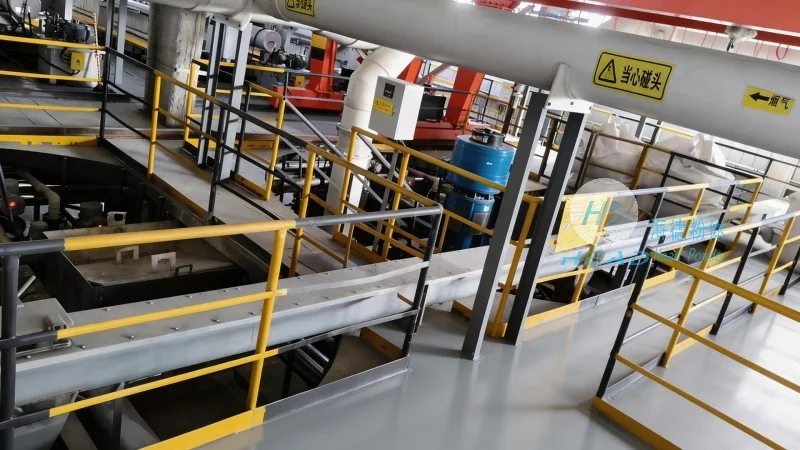
The design of a stone aggregate material handling system typically involves several interconnected components. These include feeders, conveyors, storage silos, and transfer points. Each component plays a crucial role in the overall flow of materials. For instance, feeders regulate the flow of material from the source to the conveyor, ensuring consistent and controlled movement. Conveyors, such as belt or screw conveyors, transport the material over long distances with minimal energy consumption. Storage silos are used to store bulk materials, providing a buffer between production and usage. Transfer points, including chutes and hoppers, facilitate the movement of materials between different parts of the system.
Design Principles for Efficient Material Handling
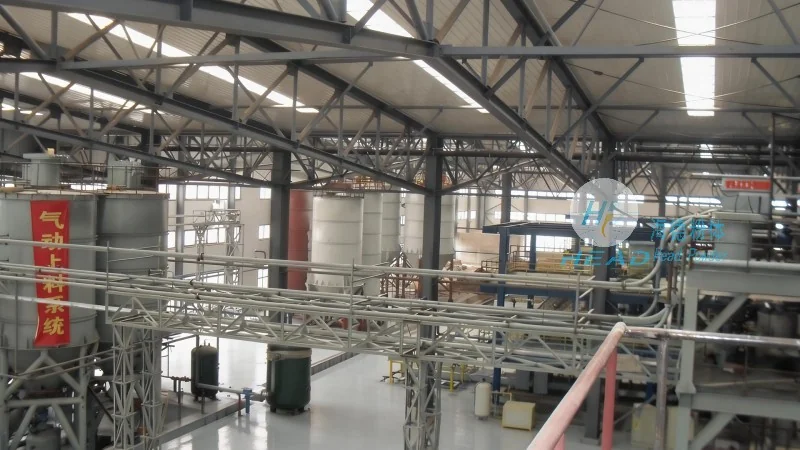
Designing an effective stone aggregate material handling system requires careful consideration of several factors. The primary goal is to maximize efficiency while minimizing downtime and maintenance costs. Key design principles include:
- Material Characteristics: The physical properties of the stone aggregate, such as size, shape, and moisture content, must be considered. Different materials may require specialized equipment to prevent blockages or wear. For example, abrasive materials like crushed granite may necessitate the use of wear-resistant components in the conveyor system.
- Flow Dynamics: The design must account for the natural flow of materials. Properly angled chutes and hoppers help maintain a smooth flow, reducing the risk of material buildup or segregation. The use of vibrators or air knives can also improve flow in challenging conditions.
- Energy Efficiency: Modern material handling systems prioritize energy efficiency. This includes selecting the right type of conveyor (e.g., belt vs. screw) and optimizing the system's speed and capacity. Energy-saving features like variable speed drives and efficient motor selections contribute to lower operational costs over time.
- Space Constraints: The available space for the system must be carefully evaluated. Compact designs may be necessary for urban or confined construction sites. Modular systems allow for flexibility in installation and expansion, adapting to changing project requirements.
Role of Shandong HeadPowder Engineering Co., Ltd. in Material Handling Solutions
Shandong HeadPowder Engineering Co., Ltd., a leading provider of material handling solutions, leverages advanced engineering and manufacturing capabilities to design customized systems for stone aggregate applications. The company's expertise lies in understanding the specific challenges faced by construction and mining projects and developing tailored solutions. By integrating cutting-edge technology with practical design principles, HeadPowder ensures that their systems are not only efficient but also durable and cost-effective. Their commitment to quality and customer satisfaction has made them a trusted partner in the industry.
Conclusion
Stone aggregate material handling is a complex but essential process that requires careful planning and execution. The design principles and components discussed above are critical for optimizing performance and ensuring long-term reliability. Companies like Shandong HeadPowder Engineering Co., Ltd. play a vital role in providing the expertise and technology needed to meet the demands of modern construction and mining projects. By focusing on efficiency, durability, and adaptability, these systems contribute significantly to the success of various industrial applications.