With more than 10‑year industry experience, Shandong Headpowder delivers full‑service pneumatic‑conveying systems and blowers, undertaking nationwide turn‑key powder‑handling projects.
For those in the sugar processing industry, understanding the equipment used to handle and transport sugar powder is crucial. One such key piece of machinery is the sugar powder conveying machine. This article will explore what this equipment is and delve into its fundamental design principles, providing a clear overview for industry professionals. The design and manufacturing of such equipment often involve specialized engineering firms, like Shandong HeadPowder Engineering Co., Ltd., which tailor solutions to meet the unique needs of sugar processing facilities.
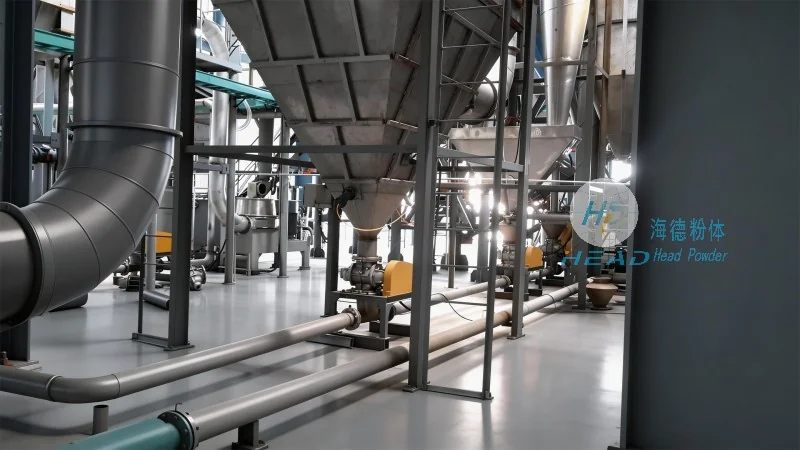
A sugar powder conveying machine is a specialized device designed to transport granular or powdered sugar from one location to another within a processing facility. These machines are essential in sugar production, refining, and distribution operations, ensuring efficient material handling and maintaining product quality. The design of these machines is tailored to address the unique challenges posed by sugar powder, such as its fine particle size, hygroscopic nature, and the need for gentle handling to prevent clumping or degradation.
The sugar powder conveying machine typically consists of several critical components, each playing a vital role in the overall operation. The main parts include the hopper, conveyor system, control panel, and discharge mechanism. The hopper serves as the storage container where raw sugar powder is loaded. It is designed with a wide opening to facilitate easy loading and often features a sloped interior to prevent material bridging or caking. The conveyor system, which may be a screw conveyor, pneumatic conveyor, or belt conveyor, is responsible for moving the sugar powder from the hopper to the discharge point. The choice of conveyor type depends on factors like the material's properties, required throughput, and space constraints. The control panel allows operators to monitor and adjust the machine's operation, ensuring optimal performance and safety. Finally, the discharge mechanism regulates the flow of sugar powder out of the machine, directing it to the next stage of processing or packaging.
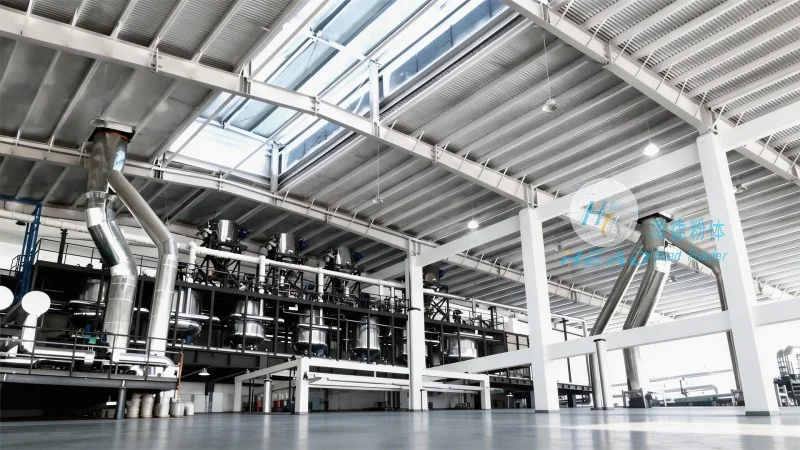
The design of a sugar powder conveying machine is guided by several key principles to ensure efficiency, reliability, and product integrity. One of the primary principles is the minimization of material degradation. Sugar powder is sensitive to moisture and can clump together, which affects its flow characteristics and quality. Therefore, the machine's design incorporates features like smooth surfaces, low friction materials, and proper sealing to prevent moisture ingress and material buildup. Another critical principle is the maintenance of material flow. The conveyor system is designed to provide consistent and uniform movement of the powder, avoiding pockets or stagnant areas that could lead to clogging or uneven discharge. This is achieved through appropriate conveyor speed, inclination, and the use of internal components like flights or paddles that promote material movement. Additionally, the machine is engineered for easy cleaning and maintenance. Sugar processing environments require regular equipment upkeep to prevent contamination and ensure compliance with hygiene standards. The design includes removable parts, easy access panels, and cleaning mechanisms that allow for thorough sanitation without disrupting production.
When operating a sugar powder conveying machine, several factors must be considered to achieve optimal performance. The machine's capacity, measured in terms of throughput (e.g., tons per hour), is a key performance metric that depends on the conveyor speed, hopper size, and material characteristics. Proper sizing of the hopper and conveyor is essential to match the production requirements and avoid bottlenecks. The machine's energy efficiency is also an important consideration, as sugar processing facilities often operate continuously and seek to minimize operational costs. Modern designs incorporate energy-saving features such as variable speed drives and efficient motor selections. Furthermore, the machine's ability to handle variations in sugar powder quality is crucial. Factors like moisture content, particle size distribution, and the presence of impurities can affect the machine's performance. The design must account for these variations by providing adjustable parameters, such as conveyor speed or pressure in pneumatic systems, to maintain consistent operation.
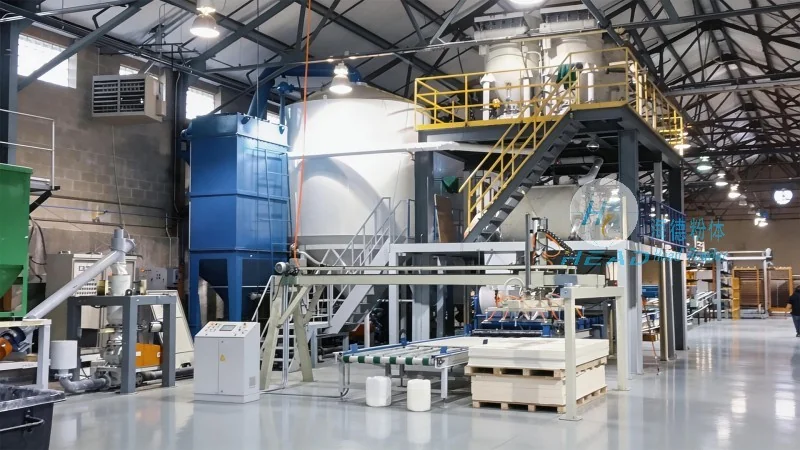
Sugar powder conveying machines are widely used in various stages of the sugar industry. In sugar refineries, they are used to transport raw sugar, refined sugar, and other powdered products between processing units, such as crystallizers, centrifuges, and storage silos. In sugar mills, these machines facilitate the movement of sugar from the extraction stage to packaging and distribution. Additionally, they are employed in the food and beverage industry for the transport of sugar in bulk processing operations, where consistent and reliable material handling is essential. The efficient operation of these machines directly impacts the overall productivity and cost-effectiveness of sugar processing facilities. By ensuring smooth and continuous material flow, they reduce downtime, minimize material loss, and improve the quality of the final product. This, in turn, contributes to the competitiveness of sugar producers in the global market.
In conclusion, a sugar powder conveying machine is a vital piece of equipment in the sugar processing industry, designed to efficiently transport sugar powder while maintaining product quality and operational efficiency. Its design is guided by principles that address the unique challenges of sugar powder, including material handling, moisture control, and ease of maintenance. By understanding the components and design principles of these machines, industry professionals can make informed decisions about equipment selection and operation, ultimately enhancing the productivity and profitability of their sugar processing operations. As technology advances, future designs may incorporate additional features like automation and real-time monitoring to further improve performance and reliability.

 Shandong Headpowder Engineering Co., Ltd.
 156-6277-7102(Manager Zhang)
  0531-83386006
  Zhangqiu District, Jinan City, Shandong Province, China
telephone
WeChatconsult
top