With more than 10‑year industry experience, Shandong Headpowder delivers full‑service pneumatic‑conveying systems and blowers, undertaking nationwide turn‑key powder‑handling projects.
Clay limestone powder conveying lines are specialized industrial systems engineered to transport fine powders such as clay and limestone. These systems are integral to various manufacturing and processing operations, ensuring efficient material movement while maintaining product quality and operational safety. Understanding the underlying design principles is crucial for optimizing performance and adapting to the unique characteristics of the materials being handled.
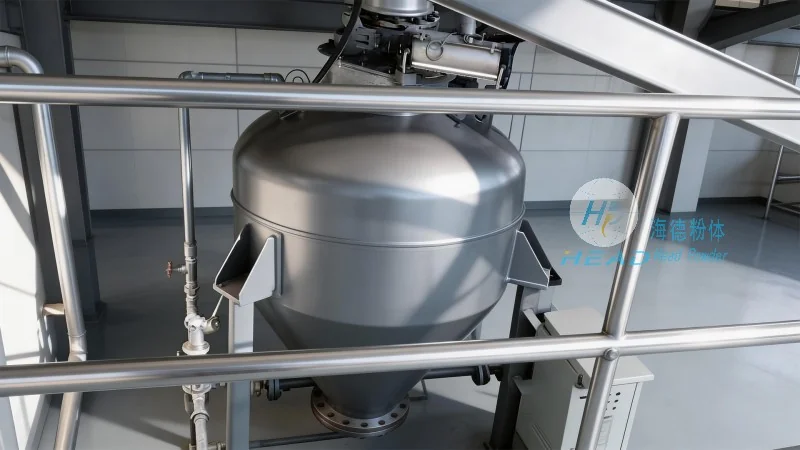
At the heart of a clay limestone powder conveying line is a carefully integrated network of components designed to manage the flow of these fine materials. The system typically includes feeders, conveyors, and control mechanisms that work in concert to deliver consistent and reliable material transport. The design of the line is tailored to the specific properties of clay and limestone, including particle size distribution, moisture content, and bulk density, to prevent issues like material bridging, clogging, or degradation.
The clay limestone powder conveying line comprises several key components, each with a specific function in the overall operation. The feeders are responsible for accurately metering and introducing the material into the system. Common types include rotary feeders and vibratory feeders, which provide consistent flow rates and prevent material accumulation at the inlet. The conveyors, which may be pneumatic or mechanical, transport the powder through the system. Pneumatic conveying systems utilize air pressure to move the material, while mechanical conveyors rely on belts, screws, or buckets for transport. The control mechanisms, including sensors and valves, monitor and regulate the flow, ensuring the system operates within safe and efficient parameters.
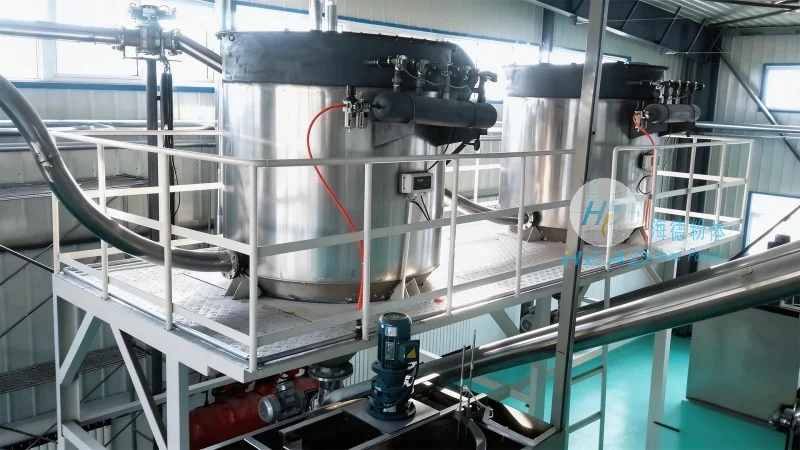
The design of a clay limestone powder conveying line is guided by several fundamental principles aimed at maximizing efficiency and minimizing operational challenges. One primary principle is the prevention of material degradation and segregation. This is achieved through the use of gentle handling equipment and proper line configuration to avoid the separation of fine particles from larger ones. Another critical principle is the control of dust generation and air quality. Effective dust collection systems and sealed components are essential to maintain a safe working environment and comply with regulatory standards. Additionally, the design considers ease of maintenance and cleaning, as these systems often handle materials that can adhere to surfaces or cause blockages.
Clay limestone powder conveying lines are widely utilized in industries such as cement production, mining, and chemical processing. In cement manufacturing, these systems transport raw materials like limestone and clay to grinding and mixing stages, directly impacting production rates and product quality. In mining operations, the lines are used to move ore and other fine materials from processing plants to storage or further processing facilities. The ability to handle large volumes at high speeds makes these systems indispensable in these applications. Additionally, in chemical and pharmaceutical industries, the lines are employed to transport raw powders for processing, ensuring precise and consistent material delivery.
Given the diverse requirements of industrial clients, clay limestone powder conveying lines are often customized to meet specific operational needs. The system can be scaled to handle varying capacities, from small-scale laboratory operations to large-scale industrial production. Customization may involve adjusting the type of conveyor, modifying feeder designs, or incorporating additional features such as temperature control or material mixing. This flexibility allows companies to adapt the system to their unique processes, ensuring optimal performance and cost-effectiveness. Furthermore, modular designs enable easy expansion or reconfiguration as production demands evolve.
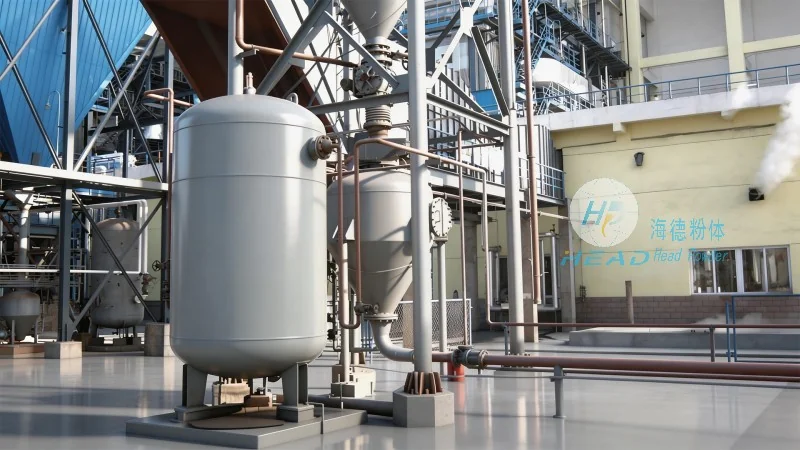
Proper maintenance is essential for the long-term reliability and efficiency of a clay limestone powder conveying line. Regular inspections of components like feeders, conveyors, and control systems help identify potential issues before they lead to system failures. Cleaning procedures, including the removal of accumulated material and inspection of seals and bearings, are critical to prevent clogging and maintain air pressure. Operational considerations also include monitoring performance metrics such as flow rate and pressure to ensure the system operates within designed parameters. By adhering to a comprehensive maintenance schedule and operational guidelines, companies can extend equipment lifespan and minimize downtime.
In conclusion, clay limestone powder conveying lines are sophisticated systems designed to efficiently transport fine powders while adhering to specific design principles. The integration of appropriate components, adherence to operational guidelines, and regular maintenance are key to ensuring the system's reliability and performance. As a leading provider in this field, Shandong HeadPowder Engineering Co., Ltd. specializes in the design, manufacturing, and installation of these systems, leveraging years of expertise to deliver solutions tailored to the unique needs of industrial clients. With a focus on efficiency, safety, and adaptability, these conveying lines play a vital role in modern industrial operations.

 Shandong Headpowder Engineering Co., Ltd.
 156-6277-7102(Manager Zhang)
  0531-83386006
  Zhangqiu District, Jinan City, Shandong Province, China
telephone
WeChatconsult
top