With more than 10‑year industry experience, Shandong Headpowder delivers full‑service pneumatic‑conveying systems and blowers, undertaking nationwide turn‑key powder‑handling projects.
For industrial applications that require the efficient and safe transportation of bulk powders, the low-pressure continuous powder conveying line has emerged as a critical solution. This system is designed to handle various types of powders, from fine particles to bulk materials, ensuring reliable and consistent material flow in manufacturing processes. Understanding the functionality and design principles of such a line is essential for optimizing production efficiency and maintaining operational safety.
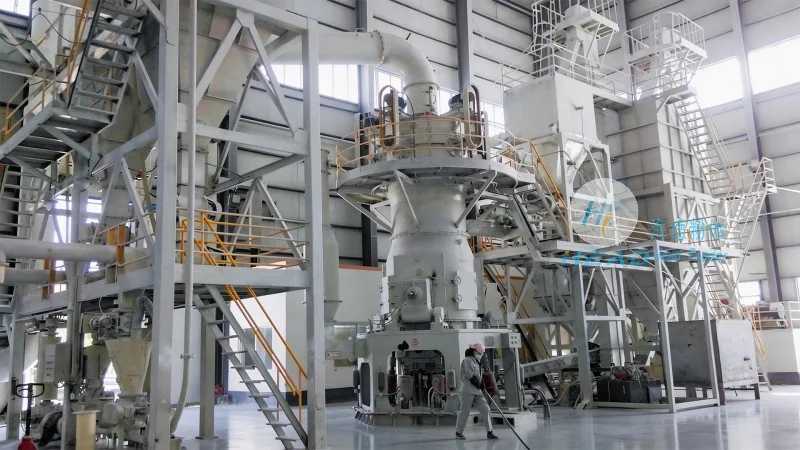
A low-pressure continuous powder conveying line is a specialized system engineered to transport dry powders or granular materials through a network of pipes or hoses under low-pressure conditions. Unlike high-pressure systems, which rely on compressed air or gas to force material movement, low-pressure systems utilize a combination of vacuum and pressure differentials to achieve continuous flow. This approach minimizes energy consumption while maintaining the integrity of the conveyed material, making it suitable for a wide range of industrial applications, including pharmaceuticals, food processing, and chemical manufacturing.
The effectiveness of a low-pressure continuous powder conveying line depends on several key components, each playing a crucial role in the overall operation. The primary components include the inlet hopper, which serves as the material feed point, and the conveying duct, which transports the powder from the source to the destination. A vacuum pump or fan is typically used to create the necessary suction force, while a pressure regulator ensures stable pressure levels throughout the system. Additionally, the system may incorporate filters, silencers, and control valves to manage dust emissions and regulate flow rates.
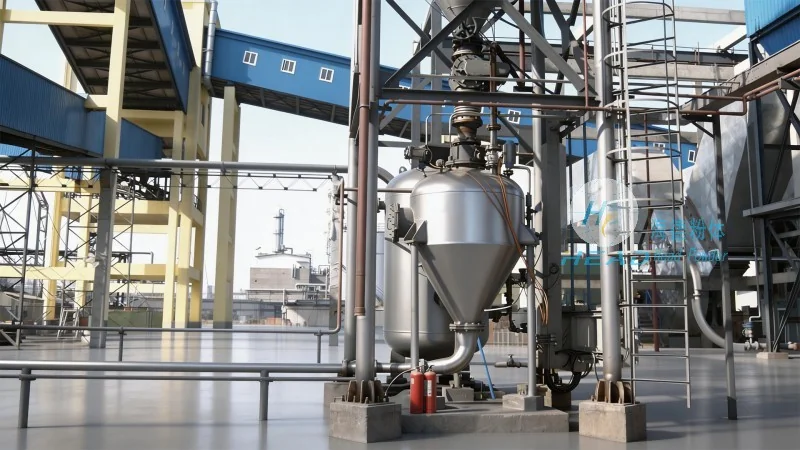
The design of a low-pressure continuous powder conveying line is based on fundamental principles of fluid dynamics and material handling. The system operates by creating a pressure differential between the inlet and outlet, where the inlet is under a slight vacuum and the outlet is under a slightly higher pressure. This differential causes the powder to move through the duct under the influence of the air flow. The velocity of the air and the size of the particles are carefully balanced to prevent particle segregation or blockages. The design also considers factors such as material density, flowability, and moisture content, as these properties affect the system's performance and efficiency.
Compared to traditional high-pressure or mechanical conveying methods, low-pressure continuous systems offer several advantages. One of the most significant benefits is energy efficiency, as they require less power to operate. Additionally, the low-pressure nature of the system reduces the risk of material degradation or contamination, which is critical in industries like pharmaceuticals and food processing. The continuous operation of the system also minimizes downtime and improves production throughput, leading to increased overall efficiency. Furthermore, the system's compact design and flexible ductwork allow for easy integration into existing production lines, making it a versatile solution for various industrial settings.
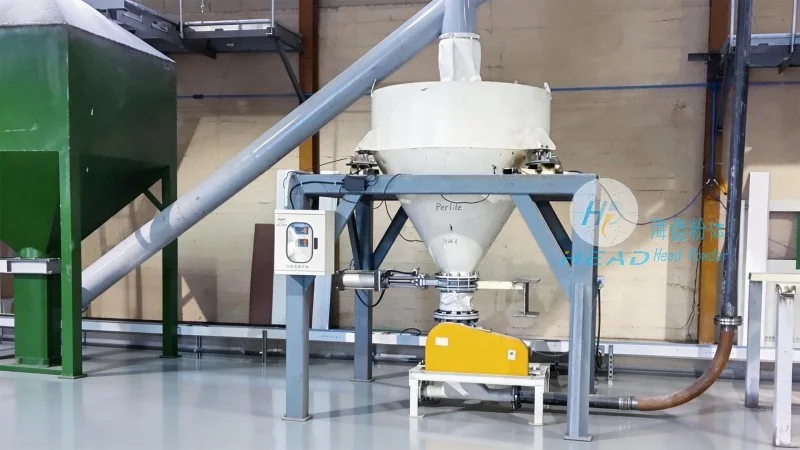
Low-pressure continuous powder conveying lines are widely used across multiple industries due to their adaptability and efficiency. In the pharmaceutical industry, these systems are employed to transport active pharmaceutical ingredients (APIs) and excipients with precision, ensuring that the material remains sterile and free from contamination. In the food processing sector, they are used to handle powders such as flour, sugar, and spices, maintaining product quality and safety standards. The chemical industry also benefits from these systems when conveying bulk chemicals, as they can handle corrosive or reactive materials without causing damage to the equipment. Other applications include the transportation of minerals, fertilizers, and construction materials, where the system's ability to handle a wide range of particle sizes and densities is advantageous.
Proper installation and regular maintenance are essential for the optimal performance and longevity of a low-pressure continuous powder conveying line. During installation, it is crucial to ensure that all components are properly aligned and connected to avoid leaks or blockages. The system should be tested for air tightness and pressure stability before operation to verify that it meets the required specifications. Regular maintenance involves checking the condition of the ductwork, filters, and vacuum pump, as well as cleaning the system to remove accumulated dust or debris. Additionally, monitoring the system's performance parameters, such as pressure and flow rates, can help identify potential issues early and prevent costly downtime.

 Shandong Headpowder Engineering Co., Ltd.
 156-6277-7102(Manager Zhang)
  0531-83386006
  Zhangqiu District, Jinan City, Shandong Province, China
telephone
WeChatconsult
top