With more than 10‑year industry experience, Shandong Headpowder delivers full‑service pneumatic‑conveying systems and blowers, undertaking nationwide turn‑key powder‑handling projects.
Quicklime powder, also known as calcium oxide, is a widely used industrial material in various sectors such as construction, chemical manufacturing, and environmental treatment. The efficient and safe transportation of this fine powder is crucial for industrial operations, and specialized equipment is essential to meet these demands. This article explores the concept of quicklime powder material handling equipment and delves into the underlying design principles that ensure optimal performance and safety, with a focus on the expertise of Shandong HeadPowder Engineering Co., Ltd., a leading manufacturer in the field.
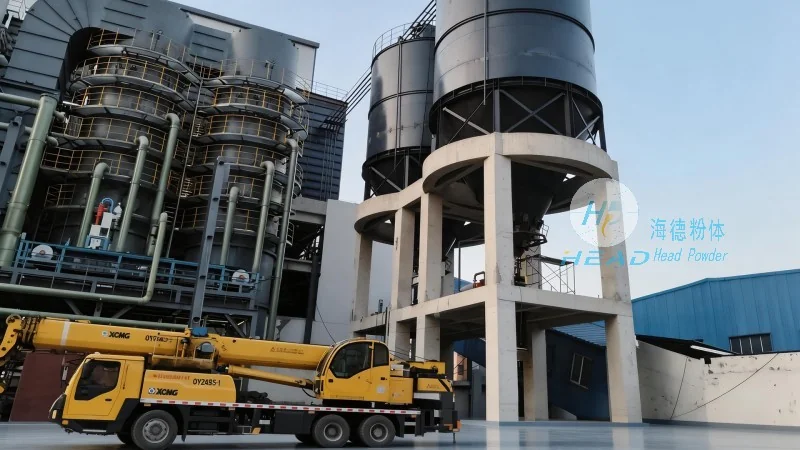
Quicklime powder material handling equipment refers to a range of machinery and systems designed to transport, store, and handle quicklime powder in industrial settings. These systems are engineered to address the unique challenges posed by quicklime powder, including its fine particle size, reactivity, and potential for dust generation. The primary goal of such equipment is to ensure the safe and efficient movement of quicklime powder from storage to processing units, minimizing the risk of dust exposure and equipment damage.
The design of quicklime powder material handling equipment involves several critical components and considerations to ensure functionality and safety. One of the most important aspects is the material selection for the equipment's construction. Since quicklime powder can be corrosive and abrasive, materials like stainless steel, special alloys, or high-quality plastics are often used to prevent wear and corrosion. Additionally, the equipment must be designed to minimize dust generation and contain any potential emissions to comply with environmental regulations.
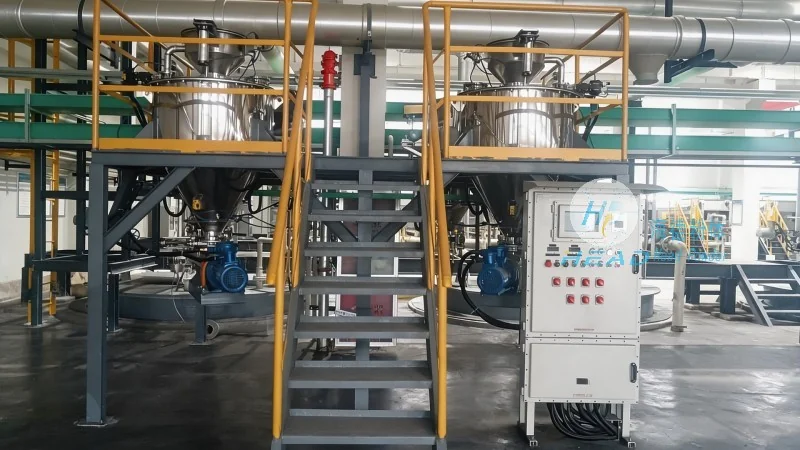
Another crucial design principle is the use of enclosed systems and proper sealing mechanisms. Quicklime powder is a fine particulate that can easily become airborne, posing health risks to workers and potentially causing blockages in the system. Enclosed conveyors, dust collection systems, and sealed hoppers are integral parts of the design to maintain a controlled environment and prevent dust contamination. The equipment also incorporates features like adjustable speed controls, which allow operators to manage the flow rate of the powder, preventing overloading and ensuring smooth operation.
There are several types of equipment used for quicklime powder handling, each suited to different operational needs. One common type is the pneumatic conveyor system, which uses air pressure to transport the powder through a network of pipes. This method is particularly effective for long-distance transport and can handle large volumes of material. Another type is the screw conveyor, which uses a rotating screw to move the powder along a tube. Screw conveyors are ideal for horizontal or slightly inclined transport and are often used in storage silos and processing plants.
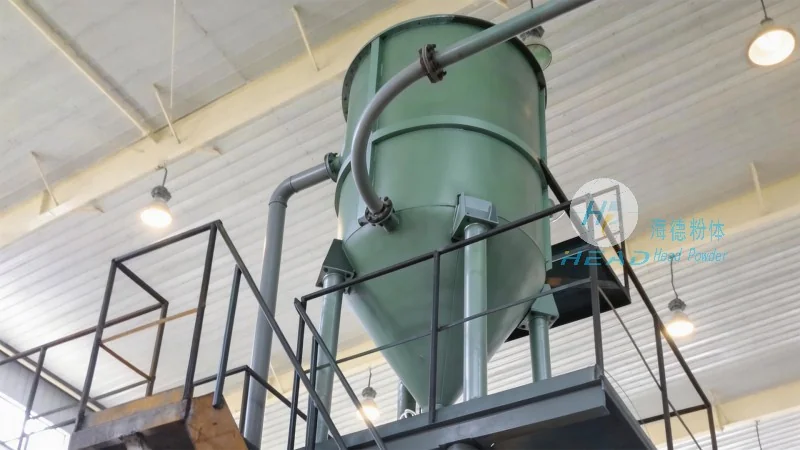
Bucket elevators are another option for vertical transport of quicklime powder. These systems use a series of buckets attached to a chain or belt to lift the powder from lower to higher levels. Bucket elevators are highly efficient for vertical movement and can handle high capacities. Additionally, some facilities use rotary valves and feeders to control the discharge of quicklime powder from storage silos, ensuring a consistent and controlled flow to downstream equipment.
The design principles for quicklime powder material handling equipment focus on several key factors to ensure optimal performance. First, the equipment must be designed to handle the specific properties of quicklime powder, such as its particle size distribution and reactivity. The system's components, including hoppers, conveyors, and pipelines, are sized and configured to accommodate these properties without causing blockages or excessive wear.
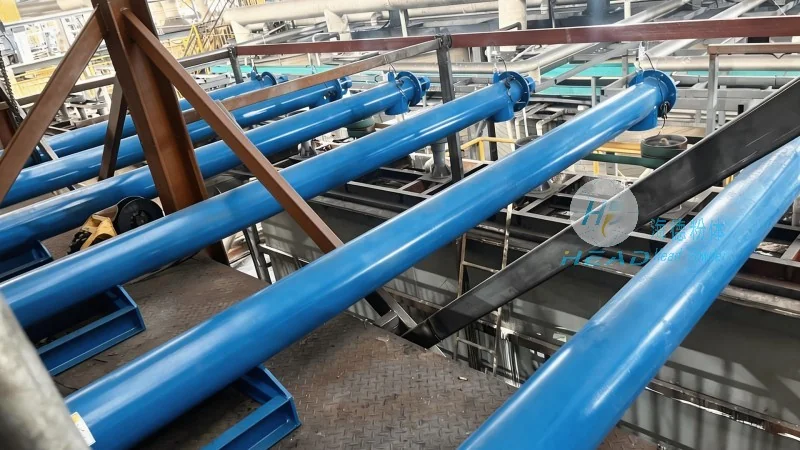
Second, the design emphasizes safety and environmental compliance. This includes features like dust suppression systems, explosion-proof designs, and proper ventilation to protect workers and the environment. The equipment is also designed to minimize the risk of material leakage and contamination, ensuring that the quicklime powder remains within the system and does not affect the surrounding environment.
Third, the design considers operational efficiency and ease of maintenance. The equipment is engineered to have low maintenance requirements and easy access to components for cleaning and repair. This reduces downtime and operational costs, making the system more cost-effective for industrial applications. Additionally, the design incorporates user-friendly controls and monitoring systems, allowing operators to easily manage the equipment and monitor its performance.

 Shandong Headpowder Engineering Co., Ltd.
 156-6277-7102(Manager Zhang)
  0531-83386006
  Zhangqiu District, Jinan City, Shandong Province, China
telephone
WeChatconsult
top