With more than 10‑year industry experience, Shandong Headpowder delivers full‑service pneumatic‑conveying systems and blowers, undertaking nationwide turn‑key powder‑handling projects.
PTA powder conveying systems are specialized equipment designed to handle the transportation of para-toluic acid (PTA) powder, a critical raw material in the production of polyester fibers. These systems are essential in industrial settings where efficient and reliable powder handling is paramount. The equipment is engineered to ensure safe, efficient, and low-dust operation, addressing the unique challenges associated with PTA powder, such as its tendency to agglomerate and generate static electricity.
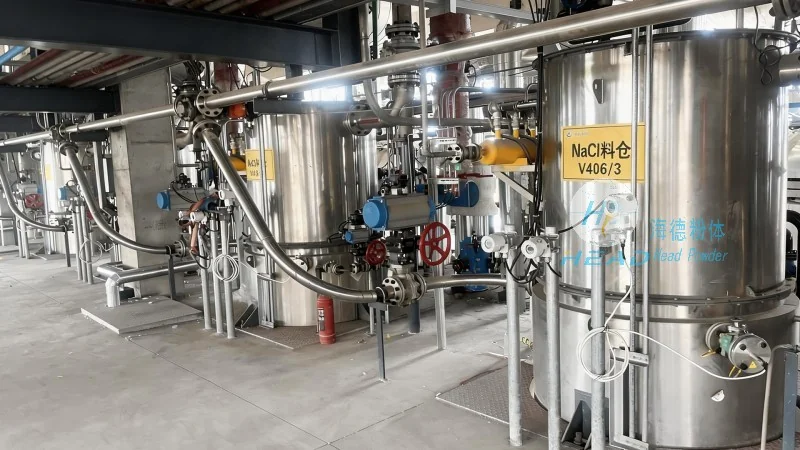
The design of PTA powder conveying systems incorporates several critical principles to optimize performance and safety. First, the system prioritizes dust control through sealed components and effective filtration. This is crucial because PTA powder can be hazardous if inhaled, and it also helps maintain product purity. Second, the equipment is built with materials that resist corrosion and wear, as PTA powder can be abrasive and chemically active. Stainless steel and specialized coatings are commonly used to protect against degradation. Third, the system employs energy-efficient motors and variable speed drives to regulate flow rates, allowing for precise control over the conveying process. This not only enhances operational efficiency but also reduces energy consumption. Additionally, the design includes features to prevent material buildup and blockages, such as self-cleaning mechanisms and inclined pipe configurations that facilitate gravity-assisted flow. The integration of these principles ensures that the system operates smoothly, minimizing downtime and maintenance requirements.
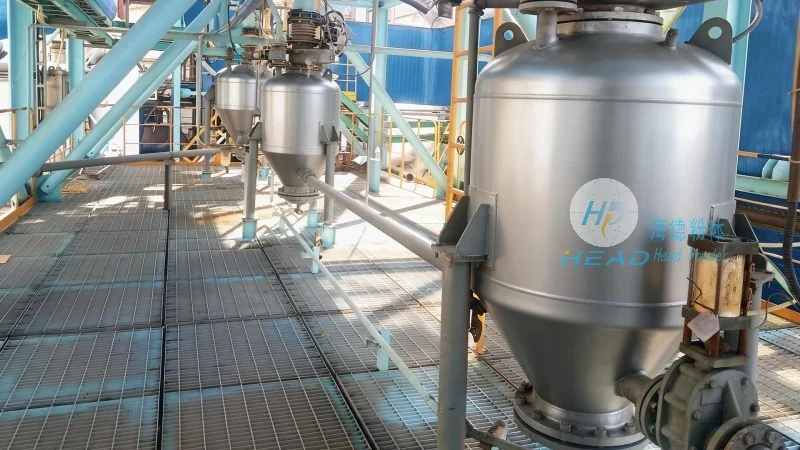
PTA powder conveying systems typically consist of several key components, each playing a vital role in the overall operation. The primary components include a hopper for material storage, a feeder to control the flow rate, a conveyor (often a screw or pneumatic system), and a receiver for the discharged material. The hopper is designed with a conical or rectangular shape to minimize material bridging and ensure consistent flow. The feeder, such as a rotary valve or vibratory feeder, regulates the amount of powder entering the conveyor, preventing overloading and maintaining steady operation. The conveyor itself can be either a screw conveyor, which uses rotating screws to move material, or a pneumatic conveyor, which utilizes air pressure to transport powder through a pipeline. Screw conveyors are preferred for dense or abrasive powders like PTA due to their ability to handle high pressures and prevent material degradation. Pneumatic conveyors, on the other hand, are suitable for lighter powders or when long-distance transport is required. The receiver at the end of the system collects the conveyed powder and may include a dust collection system to capture any particles that escape during the process.
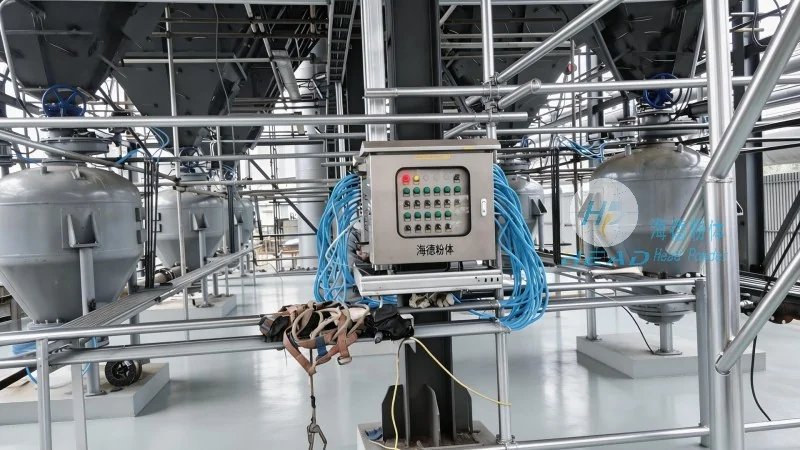
The implementation of PTA powder conveying systems offers numerous benefits to industrial operations. Firstly, these systems enhance safety by containing dust and preventing exposure to PTA powder, which can cause respiratory issues and other health hazards. Secondly, they improve process efficiency by ensuring consistent and reliable material flow, reducing the risk of production interruptions. Thirdly, the design minimizes material loss and contamination, maintaining product quality and reducing waste. These systems are widely used in the chemical and textile industries, where PTA is a key ingredient in polyester production. They are also employed in research and development laboratories, where precise powder handling is required for experimental work. The versatility of PTA powder conveying systems makes them suitable for various applications, from small-scale production to large-scale industrial operations.
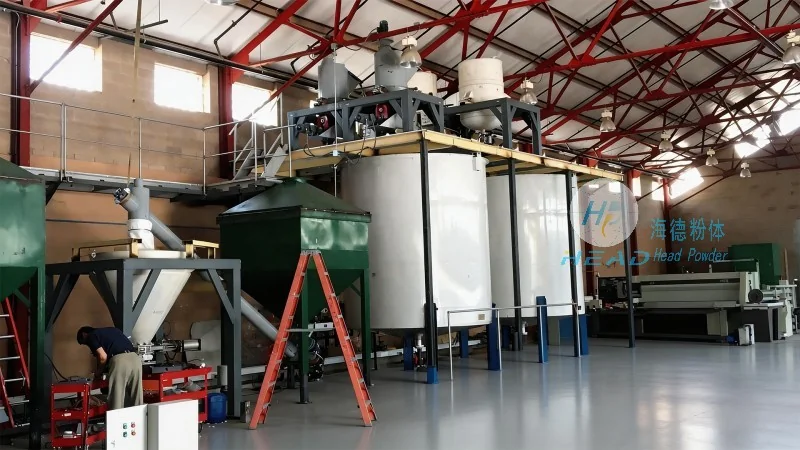
Shandong HeadPowder Engineering Co., Ltd., commonly known as headpowder, is a leading manufacturer of specialized powder handling equipment. With a strong focus on innovation and quality, the company has established itself as a trusted provider of PTA powder conveying systems and other industrial solutions. Headpowder's team of engineers and technicians work closely with clients to understand their specific needs and design customized systems that meet their operational requirements. The company's facilities are equipped with advanced manufacturing and testing capabilities, ensuring that each product adheres to the highest standards of performance and safety. Headpowder is committed to delivering reliable and efficient equipment that enhances productivity and safety in industrial settings. Based in Shandong, China, the company serves clients both domestically and internationally, providing comprehensive support from design and installation to maintenance and after-sales service.

 Shandong Headpowder Engineering Co., Ltd.
 156-6277-7102(Manager Zhang)
  0531-83386006
  Zhangqiu District, Jinan City, Shandong Province, China
telephone
WeChatconsult
top