

[LITHIUM-ION MATERIAL PNEUMATIC CONVEYING SYSTEM EQUIPMENT: WHAT IT IS AND ITS DESIGN PRINCIPLES]
Lithium-ion batteries are a cornerstone of modern energy storage, and the materials used in their production require specialized handling equipment to ensure efficiency, safety, and quality. Among the key technologies in this field is the lithium-ion material pneumatic conveying system, a sophisticated piece of machinery designed to transport powders and granules used in battery manufacturing. This article explores what such a system entails and the fundamental design principles that govern its operation.
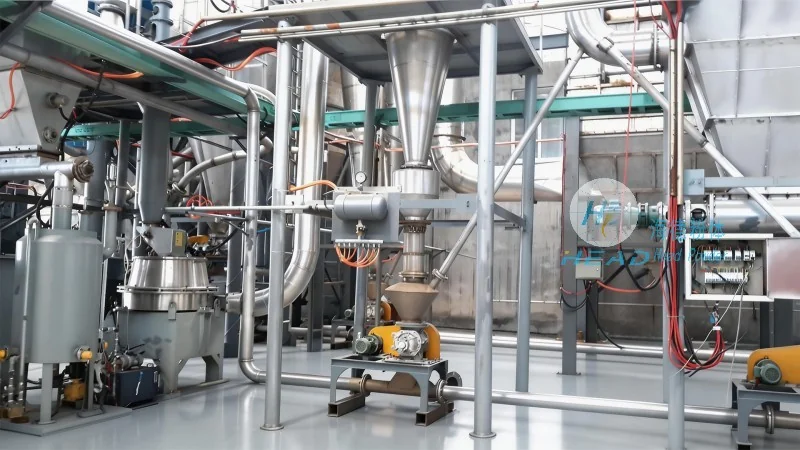
Introduction to Lithium-Ion Material Pneumatic Conveying Systems
The lithium-ion material pneumatic conveying system is a critical component in the battery production chain. It enables the efficient, dust-free, and safe transport of materials like lithium carbonate, lithium hydroxide, and other battery precursors from storage to processing units. Unlike traditional mechanical conveyors, which may generate dust and require frequent maintenance, pneumatic systems use compressed air to move materials through a network of pipes, offering advantages in terms of cleanliness and operational flexibility.
Understanding the Core Components of the System
At the heart of a pneumatic conveying system are several key components that work in tandem to achieve material transport. The primary elements include an air blower or compressor, which generates the necessary air pressure; a material feeder, such as a rotary valve or screw feeder, that controls the flow of material into the system; conveying pipes that form the pathway for the material and air mixture; and a separation unit, typically a cyclone or filter, that separates the material from the air at the discharge end. Additionally, control valves and sensors are integrated to regulate pressure, monitor flow rates, and ensure system safety.
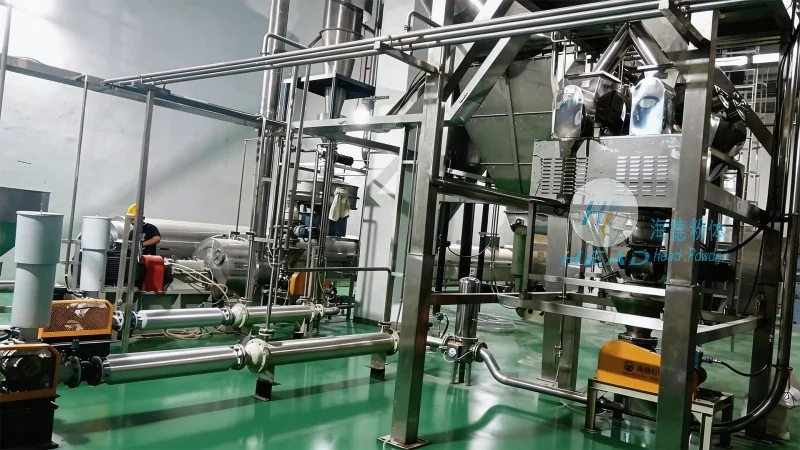
Design Principles Behind the Equipment
The design of a lithium-ion material pneumatic conveying system is guided by several critical principles aimed at optimizing performance and safety. First, air flow management is paramount; the system must maintain consistent air velocity to prevent material settling or blockages in the pipes. Second, pressure control is essential to prevent over-pressurization and ensure smooth material movement. Third, the system is engineered to minimize dust emissions, which is crucial for maintaining a clean working environment and complying with industrial safety standards. Finally, durability and corrosion resistance are key considerations, as the materials handled are often reactive and require equipment that can withstand harsh conditions.
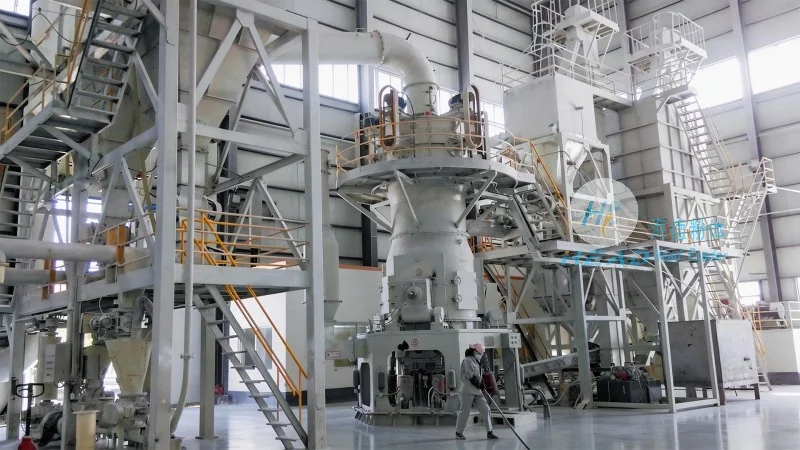
Application in Lithium-Ion Material Handling
In the context of lithium-ion battery production, the pneumatic conveying system plays a vital role in various stages of material processing. For instance, it can transport raw materials from bulk storage to mixing and coating lines, ensuring a continuous and controlled supply of ingredients. The system is also used in the handling of finished powders, such as cathode active materials, which require precise dosing and transport to avoid contamination. By integrating with other production equipment, the pneumatic system contributes to a streamlined workflow, reducing downtime and improving overall productivity.
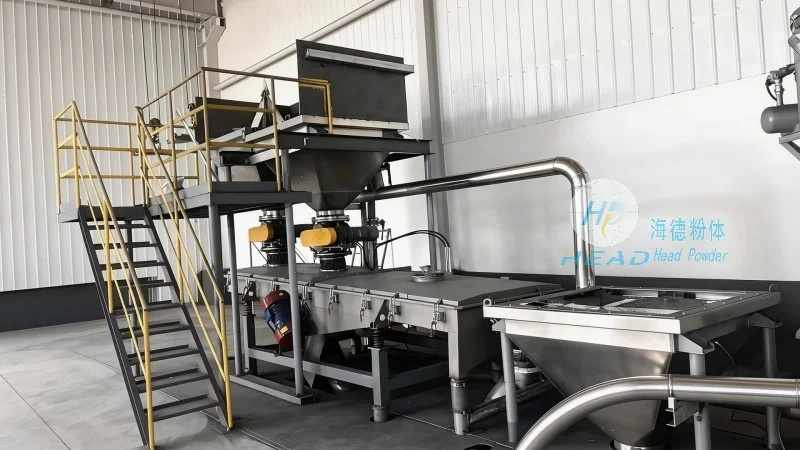
Technical Advantages and Operational Efficiency
Compared to traditional conveying methods, the lithium-ion material pneumatic conveying system offers several technical advantages that enhance operational efficiency. One of the most significant benefits is the ability to handle fine powders without generating dust, which not only improves workplace safety but also reduces the risk of material loss or contamination. The system also provides high throughput capabilities, allowing for the rapid transport of large volumes of material, which is essential in high-volume battery manufacturing. Furthermore, pneumatic systems are relatively low-maintenance, as they have fewer moving parts compared to mechanical conveyors, and can be easily scaled to accommodate changing production demands.
Company Profile: Shandong HeadPowder Engineering Co., Ltd.
HeadPowder, formally known as Shandong HeadPowder Engineering Co., Ltd., is a leading manufacturer of specialized material handling equipment, including pneumatic conveying systems for lithium-ion materials. Based in Shandong, China, the company has established itself as a trusted provider of high-quality solutions tailored to the needs of the battery industry. With a focus on innovation and precision engineering, HeadPowder designs and manufactures systems that meet stringent industry standards for performance, safety, and reliability. The company’s expertise in material handling technology ensures that its products are optimized for the unique challenges of lithium-ion battery production, providing customers with efficient and durable solutions for their material transport needs.