With more than 10‑year industry experience, Shandong Headpowder delivers full‑service pneumatic‑conveying systems and blowers, undertaking nationwide turn‑key powder‑handling projects.
Feather pneumatic conveying systems represent a specialized category of material handling equipment designed to transport bulk materials through an enclosed pipeline using compressed air or other gas as the conveying medium. This technology is particularly valuable in industries where materials are delicate, abrasive, or require a dust-free environment during transfer. The system's design is engineered to minimize material degradation while ensuring efficient and reliable transport over varying distances and elevations.
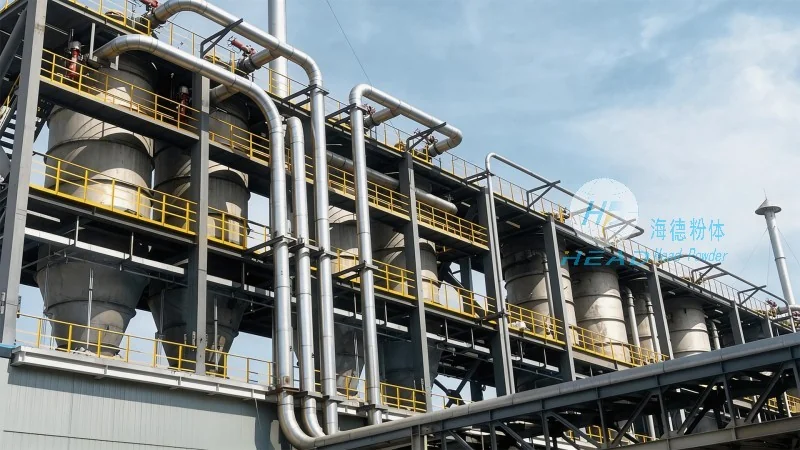
HeadPowder, a leading manufacturer based in Shandong, China, specializes in the development and production of such advanced pneumatic conveying solutions. With a strong commitment to quality and innovation, the company has established itself as a trusted provider of industrial material handling equipment. The following exploration delves into the fundamental aspects of feather pneumatic conveying systems, including their operational principles and key design considerations.
The design of a pneumatic conveying system is governed by several critical principles that ensure optimal performance and material integrity. The primary principle revolves around the balance between the air velocity and the material's properties. For feather systems, which typically handle fine or lightweight powders, the air velocity must be precisely controlled to prevent particle segregation and ensure uniform flow. This is achieved through the use of specialized air locks, rotary valves, and pressure regulators that maintain consistent pressure and flow rates throughout the system.
Another crucial design principle is the system's ability to handle varying material characteristics. Different materials may have distinct densities, flowability, and particle sizes, which require tailored design parameters. Engineers at HeadPowder conduct thorough material analysis to determine the optimal air-to-material ratio, pipeline diameter, and conveying velocity. This ensures that the system operates efficiently without causing excessive wear on components or compromising the quality of the conveyed material.
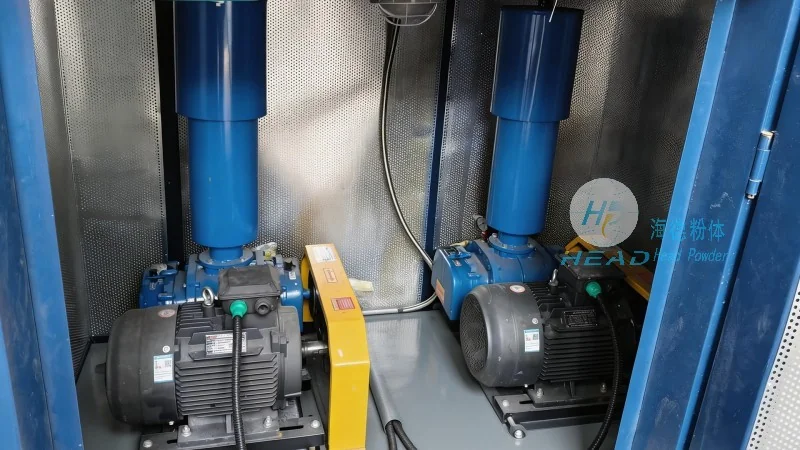
A feather pneumatic conveying system comprises several interconnected components, each playing a vital role in the overall operation. The primary components include the material feeder, which introduces the material into the system; the air compressor or blower, which generates the necessary pressure; the conveying pipeline, which transports the material; and the separation and collection equipment, which returns the material to its destination.
The material feeder is often a rotary valve or a screw feeder, designed to meter the material at a controlled rate. This ensures a steady flow into the pipeline, preventing blockages and maintaining consistent system performance. The air compressor, typically a positive displacement blower or a centrifugal fan, provides the pressure needed to move the material through the pipeline. The choice of compressor type depends on the system's capacity and the material's characteristics.
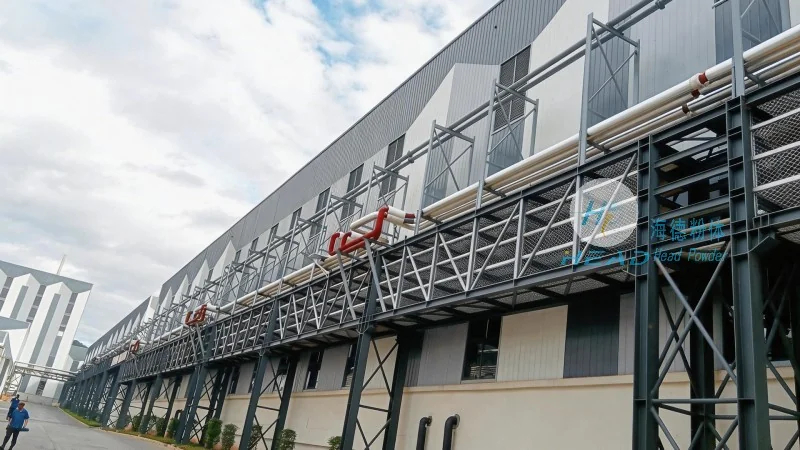
The conveying pipeline is constructed from materials resistant to corrosion and wear, such as stainless steel or PVC, to accommodate the abrasive nature of some powders. The pipeline design includes bends and elbows that are carefully engineered to minimize pressure losses and prevent material deposition. The system may also incorporate expansion joints and supports to accommodate thermal expansion and maintain structural integrity.
The separation and collection equipment, such as cyclones or bag filters, are essential for returning the material to its intended location while preventing dust emissions. These components work in conjunction with the conveying system to ensure a clean and efficient transfer process. The design of these units is critical to maintaining air quality and protecting downstream equipment from contamination.
Feather pneumatic conveying systems offer several advantages over traditional mechanical conveying methods. These include the ability to transport materials in a dust-free environment, which is particularly important for food, pharmaceutical, and chemical industries where product purity is paramount. The system also allows for the transport of materials over long distances and at varying elevations without the need for complex infrastructure, such as elevators or conveyors.
HeadPowder's feather pneumatic conveying systems are widely used in industries such as food processing, pharmaceutical manufacturing, chemical processing, and mining. In food processing, the system is used to transport powders like flour, sugar, and spices, ensuring that the materials remain free from contamination and maintain their quality. In pharmaceutical applications, the system is employed to handle active pharmaceutical ingredients (APIs) and other sensitive materials, where the risk of cross-contamination is unacceptable.
In the chemical industry, the system is used to transport abrasive powders and granules, such as cement and limestone, while minimizing wear on equipment. The system's ability to handle these materials without degradation makes it an ideal choice for industrial applications where efficiency and reliability are critical. The mining industry also benefits from the system's ability to transport bulk materials over long distances with minimal maintenance.
Designing an effective feather pneumatic conveying system requires careful consideration of several factors to ensure long-term performance and reliability. One of the most critical factors is the selection of the appropriate air velocity. The air velocity must be high enough to lift and transport the material but low enough to prevent excessive wear on the pipeline and components. Engineers at HeadPowder use computational fluid dynamics (CFD) simulations to model the system and optimize the air velocity for specific material characteristics.
Another important consideration is the system's capacity and pressure requirements. The capacity of the system is determined by the material's flow rate and the required conveying distance. The pressure required to transport the material is influenced by the system's length, elevation changes, and the number of bends in the pipeline. HeadPowder's engineers calculate these parameters based on the specific application to ensure that the system operates within its design limits.
The choice of materials for the system components is also a critical design consideration. The conveying pipeline, for example, must be resistant to the corrosive effects of the material being transported. Stainless steel is commonly used for its durability and resistance to corrosion, while PVC is used for non-corrosive applications. The material feeder and other components are also selected based on the material's properties to ensure compatibility and prevent material degradation.
Regular maintenance and monitoring are essential to ensure the long-term performance of the system. HeadPowder provides comprehensive maintenance services to its clients, including routine inspections, component replacement, and performance monitoring. This ensures that the system operates efficiently and reliably, minimizing downtime and maximizing productivity.
Feather pneumatic conveying systems represent a sophisticated and efficient solution for the transport of bulk materials, particularly in industries where material integrity and environmental considerations are paramount. The design principles and components of these systems are carefully engineered to ensure optimal performance, reliability, and material quality. HeadPowder, with its expertise and commitment to quality, continues to provide advanced pneumatic conveying solutions that meet the evolving needs of industrial applications. By understanding the core design principles and key components, industries can leverage the benefits of feather pneumatic conveying systems to enhance their material handling processes and improve overall operational efficiency.

 Shandong Headpowder Engineering Co., Ltd.
 156-6277-7102(Manager Zhang)
  0531-83386006
  Zhangqiu District, Jinan City, Shandong Province, China
telephone
WeChatconsult
top