With more than 10‑year industry experience, Shandong Headpowder delivers full‑service pneumatic‑conveying systems and blowers, undertaking nationwide turn‑key powder‑handling projects.
Understanding the Vacuum-Pressure Mixed Pneumatic Conveying System and Its Design Principles
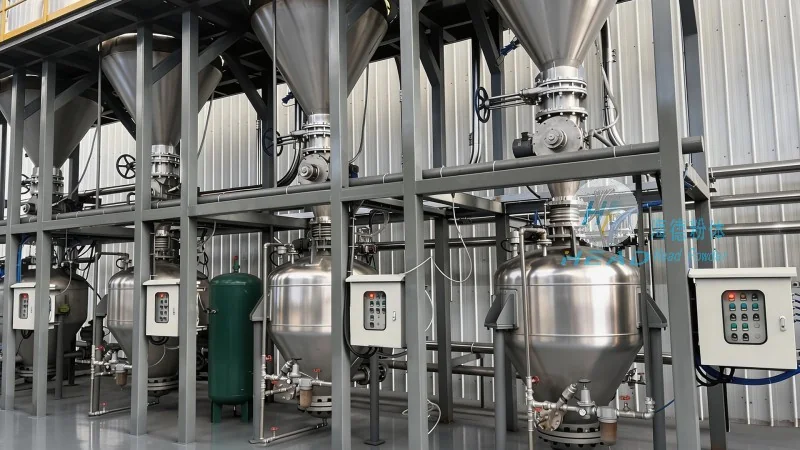
The vacuum-pressure mixed pneumatic conveying system is a sophisticated industrial solution designed to transport bulk materials efficiently over medium to long distances. This system combines the advantages of both vacuum and pressure pneumatic conveying technologies, offering a versatile approach to material handling that is particularly effective for applications requiring precise control and flexibility. By integrating these two modes, the system can handle a wide range of materials, from fine powders to granules, with minimal product degradation and high transfer efficiency.

The core of the vacuum-pressure mixed system consists of several critical components that work in tandem to achieve effective material transport. These include the material feed hopper, the vacuum and pressure sections of the conveying line, the air filtration system, and the discharge unit. The system operates by first creating a vacuum in the initial segment to draw material from the source into the conveying line. As the material travels through the line, the pressure is gradually increased to maintain a stable flow and prevent backflow. This mixed approach allows for the continuous and controlled movement of material, ensuring that the system can handle varying material properties and operational conditions.
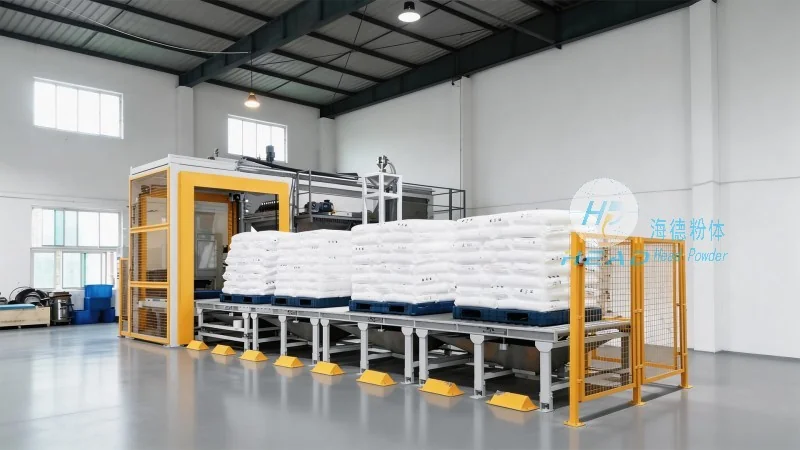
Designing a vacuum-pressure mixed pneumatic conveying system involves careful consideration of several key principles to ensure optimal performance and reliability. Engineers must account for factors such as material characteristics, conveying distance, system pressure, and the required flow rate. The selection of appropriate pipe diameters, air velocities, and filter capacities is crucial to prevent blockages and maintain consistent material transport. Additionally, the system's layout and the integration of vacuum and pressure zones must be optimized to minimize energy consumption while maximizing throughput. The design also incorporates safety features, such as pressure relief valves and air filtration systems, to ensure operational safety and compliance with industrial standards.
The vacuum-pressure mixed pneumatic conveying system is widely used in various industries, including pharmaceuticals, food processing, chemical manufacturing, and mining. Its ability to handle sensitive materials without degradation makes it ideal for applications where product quality is paramount. The system offers several advantages over traditional conveying methods, such as reduced labor costs, improved safety by eliminating manual handling, and increased operational efficiency. By combining vacuum and pressure modes, the system can adapt to different material types and operational requirements, providing a flexible solution for diverse industrial needs.
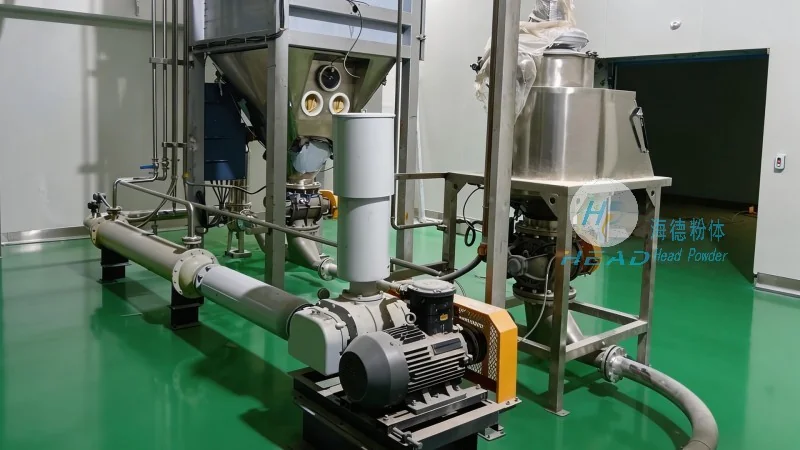
HeadPowder Engineering, a leading provider of pneumatic conveying solutions, specializes in designing and manufacturing customized vacuum-pressure mixed systems tailored to the specific needs of clients. With a strong commitment to innovation and quality, the company leverages advanced engineering techniques to deliver reliable and efficient material handling systems. HeadPowder Engineering is headquartered in Shandong, China, and serves clients globally with a focus on providing sustainable and cost-effective solutions for bulk material transport. The company's expertise in system design, installation, and maintenance ensures that clients receive comprehensive support throughout the lifecycle of their conveying systems.

 Shandong Headpowder Engineering Co., Ltd.
 156-6277-7102(Manager Zhang)
  0531-83386006
  Zhangqiu District, Jinan City, Shandong Province, China
telephone
WeChatconsult
top