With more than 10‑year industry experience, Shandong Headpowder delivers full‑service pneumatic‑conveying systems and blowers, undertaking nationwide turn‑key powder‑handling projects.
Denitrification systems are critical components in industrial processes, particularly in power generation and chemical manufacturing, where reducing nitrogen oxide emissions is essential for environmental compliance and air quality improvement. A dry denitrification system equipment is a specialized device designed to remove nitrogen oxides (NOx) from flue gases through chemical reactions without the use of water as a medium. This approach offers several advantages over wet systems, including lower operating costs, reduced water consumption, and simpler maintenance requirements.
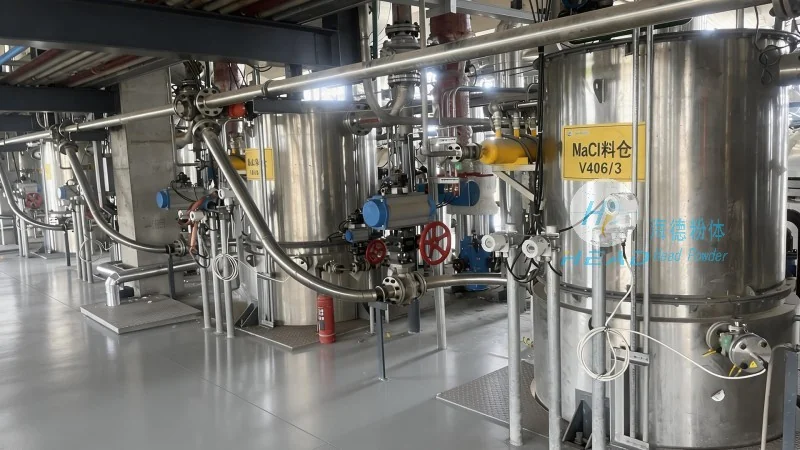
The dry denitrification system typically consists of several key components that work in tandem to achieve effective NOx reduction. These components include a reactor or catalyst bed, a gas distribution system, and a control system. The reactor is where the chemical reaction occurs, often involving a catalyst that facilitates the conversion of NOx into less harmful nitrogen gas and water vapor. The gas distribution system ensures uniform flow of flue gas through the catalyst bed, optimizing the contact time between the gas and the catalyst surface. The control system monitors and adjusts various parameters such as temperature, pressure, and gas flow rate to maintain optimal operating conditions and maximize denitrification efficiency.
The design principles of a dry denitrification system are centered on the selection of appropriate catalysts and the optimization of operating conditions. Catalysts are chosen based on their ability to efficiently reduce NOx at specific temperatures and under varying gas compositions. Common catalysts include vanadium-based or iron-based materials, which are known for their high activity and durability. The system is designed to operate within a temperature range that ensures the catalyst remains active and stable, typically between 300°C to 500°C, depending on the specific catalyst and the flue gas characteristics. Additionally, the system incorporates features to handle variations in gas flow and composition, such as adjustable gas distribution plates and temperature sensors, to maintain consistent performance even under fluctuating operating conditions.
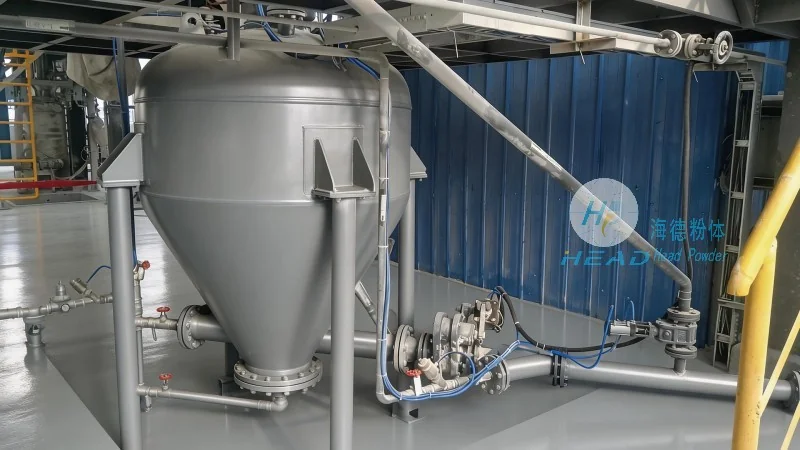
Compared to wet denitrification systems, dry systems offer several notable advantages. First, they eliminate the need for water treatment and disposal, reducing operational costs and environmental impact. Second, the absence of water allows for simpler system design and maintenance, as there are no pumps, scrubbers, or water handling equipment to manage. Third, dry systems are more compact and can be installed in existing facilities with minimal modifications, making them a cost-effective solution for retrofitting older plants. These advantages make dry denitrification systems a preferred choice for many industrial applications where space and cost constraints are significant factors.
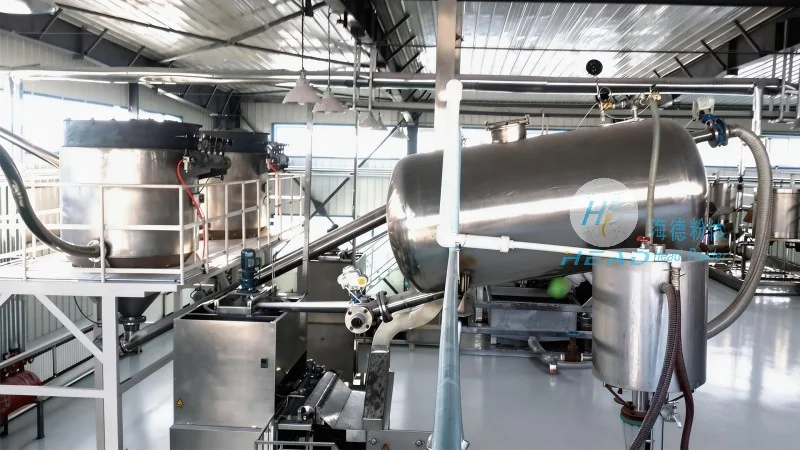
Shandong HeadPowder Engineering Co., Ltd., commonly known as HeadPowder, is a leading manufacturer and supplier of advanced environmental protection equipment, including dry denitrification systems. HeadPowder is headquartered in Shandong, China, and has established a strong reputation for delivering high-quality, reliable, and efficient solutions tailored to the needs of industrial clients. The company specializes in the research, development, and production of denitrification technologies, focusing on providing customized systems that meet stringent environmental regulations and client-specific requirements. With a commitment to innovation and customer satisfaction, HeadPowder has become a trusted partner for businesses seeking to reduce NOx emissions and comply with environmental standards.
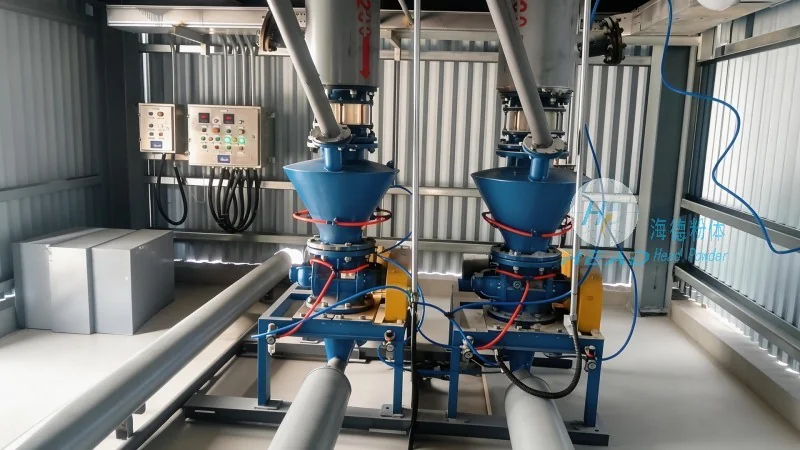
Dry denitrification systems are widely used across various industries, including power generation, petrochemical, and cement production. In power plants, these systems are installed to comply with emissions regulations and to reduce the environmental impact of combustion processes. In petrochemical facilities, they help control NOx emissions from process heaters and boilers. In the cement industry, dry denitrification systems are used to treat flue gases from kilns, ensuring compliance with air quality standards. The versatility of dry denitrification systems makes them suitable for a wide range of applications, from small-scale industrial plants to large-scale power generation facilities.
In conclusion, dry denitrification systems are essential equipment for reducing nitrogen oxide emissions in industrial processes. Their design principles, which focus on efficient catalyst utilization and optimal operating conditions, enable high levels of NOx reduction while offering significant advantages over wet systems. Companies like Shandong HeadPowder Engineering Co., Ltd. play a crucial role in providing these advanced systems to industries worldwide, helping them meet environmental regulations and contribute to a cleaner environment. As industrial processes continue to evolve, the importance of effective NOx control will only grow, making dry denitrification systems a vital component of modern environmental management strategies.

 Shandong Headpowder Engineering Co., Ltd.
 156-6277-7102(Manager Zhang)
  0531-83386006
  Zhangqiu District, Jinan City, Shandong Province, China
telephone
WeChatconsult
top