With more than 10‑year industry experience, Shandong Headpowder delivers full‑service pneumatic‑conveying systems and blowers, undertaking nationwide turn‑key powder‑handling projects.
Stone powder particle pneumatic conveying is a critical technology in the field of powder handling, designed to transport fine particulate materials like stone powders through a pipeline using compressed air. This method offers a highly efficient and flexible solution for moving bulk materials over short to medium distances, often used in industrial applications where traditional mechanical conveying methods may be less suitable. The system's core principle revolves around the use of air as the conveying medium, which can be either positive pressure or negative pressure, depending on the specific requirements of the material and the system design.
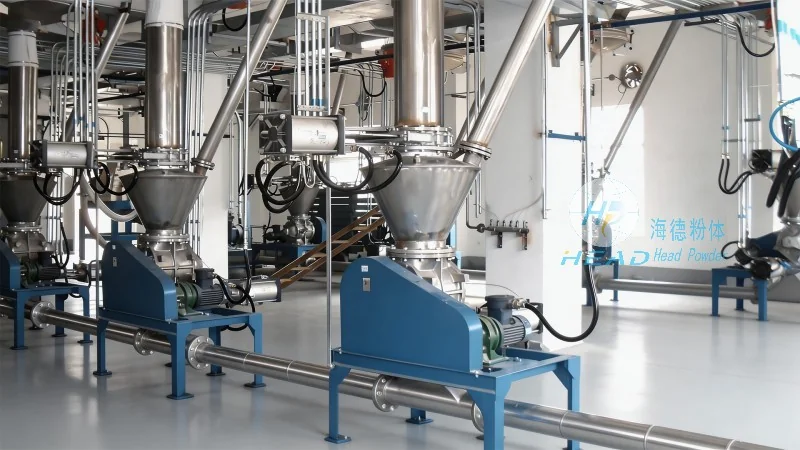
Pneumatic conveying systems, such as those offered by Shandong HeadPowder Engineering Co., Ltd., are engineered to handle a wide range of powder materials, including stone powders, with precision and reliability. These systems are particularly advantageous in applications where dust control, material cleanliness, and the ability to transport materials in a closed system are essential. The company, based in Shandong, China, specializes in providing customized solutions tailored to the unique needs of various industries, ensuring optimal performance and durability for their clients.
The fundamental components of a pneumatic conveying system for stone powder particles typically include a material hopper, a rotary airlock valve, a conveying pipeline, a receiver or destination vessel, and a blower or compressor. The material hopper serves as the storage and feeding unit, where the stone powder is loaded and prepared for transport. The rotary airlock valve acts as a controlled gate, preventing backflow and ensuring a steady flow of material into the pipeline. The conveying pipeline, usually made of stainless steel or other corrosion-resistant materials, transports the powder particles mixed with air. The receiver is where the material is deposited, and the blower provides the necessary air pressure to move the material through the system.
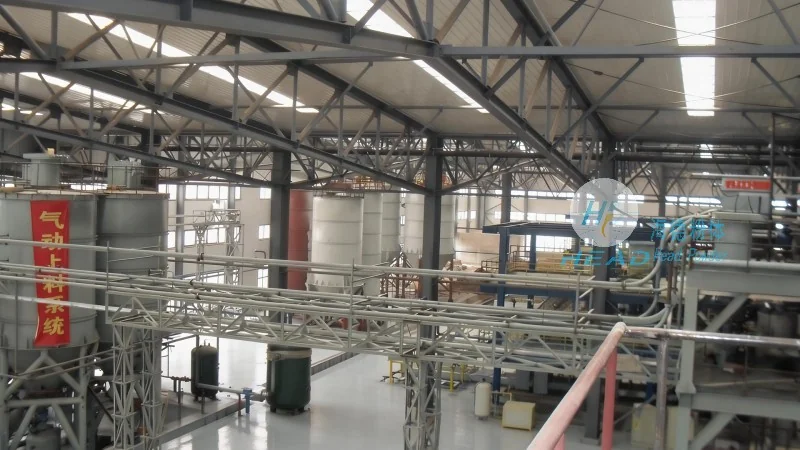
The operation of a pneumatic conveying system for stone powder particles involves several key steps. First, the stone powder is fed from the hopper into the pipeline via the rotary airlock valve. Simultaneously, the blower generates compressed air that is introduced into the pipeline. The air and powder mixture is then propelled through the pipeline to the receiver. In positive pressure systems, the air pressure is maintained above atmospheric pressure throughout the pipeline, while in negative pressure systems, the pipeline is kept under a slight vacuum. The choice between these systems depends on factors such as the material's properties, the distance to be covered, and the need for dust containment.
Pneumatic conveying offers several advantages when transporting stone powder particles. One of the primary benefits is the ability to handle fine and abrasive materials without causing excessive wear on the system components. The closed system design minimizes dust emissions, making it suitable for applications where environmental regulations and worker safety are paramount. Additionally, the system can be easily integrated with other processing equipment, allowing for seamless material transfer from one stage to another. The flexibility of pneumatic conveying also enables the transportation of materials over varying distances and at different flow rates, adapting to the changing demands of industrial processes.
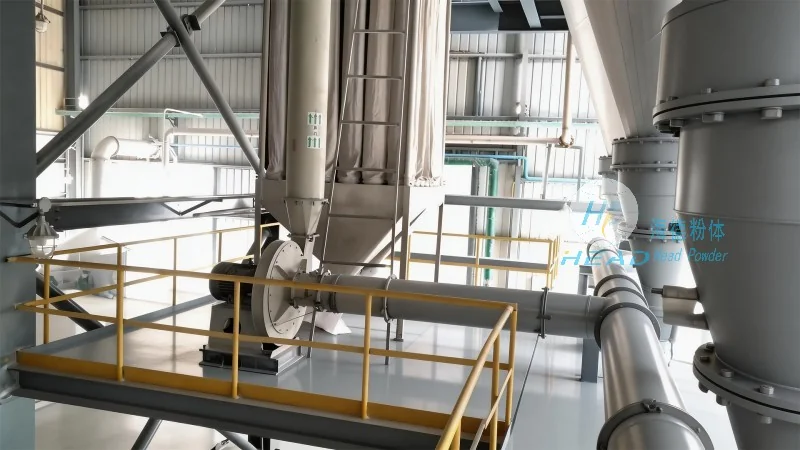
Stone powder particle pneumatic conveying systems are widely used in various industrial sectors, including mining, construction, and manufacturing. In the mining industry, these systems are employed to transport crushed stone powders from processing plants to storage facilities or for further processing. In construction, they are used to move materials like limestone or gypsum powders for cement production or other building materials. The manufacturing sector also benefits from these systems in applications such as pharmaceuticals, where the need for sterile and dust-free material handling is critical. The versatility of pneumatic conveying makes it an ideal solution for these diverse applications, ensuring efficient and reliable material transport.
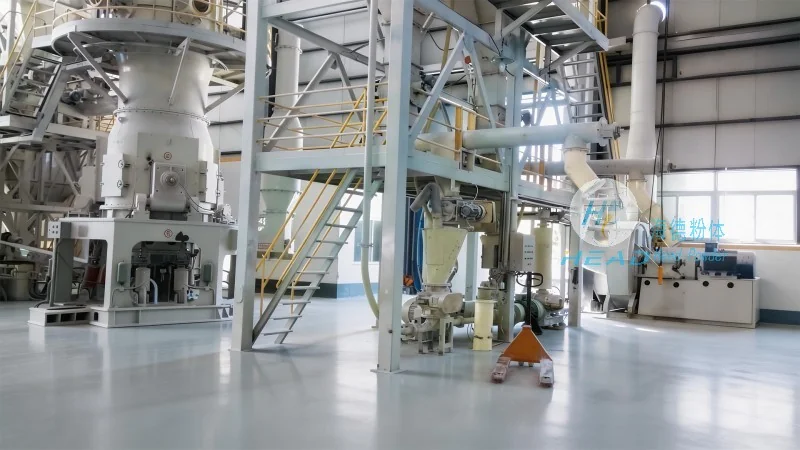
Shandong HeadPowder Engineering Co., Ltd. understands that each industrial application has unique requirements, which is why they offer customized pneumatic conveying solutions. The company designs systems that can be tailored to handle specific types of stone powders, varying particle sizes, and different conveying distances. Regular maintenance is crucial to ensure the longevity and efficiency of the system. This includes inspecting and cleaning components like the rotary airlock valve and blower, checking for wear and tear on the pipeline, and ensuring proper air pressure and flow rates. By adhering to a regular maintenance schedule, companies can minimize downtime and maximize the operational efficiency of their pneumatic conveying systems.
Stone powder particle pneumatic conveying is a sophisticated and effective method for transporting fine particulate materials. The systems, as exemplified by the solutions provided by Shandong HeadPowder Engineering Co., Ltd., combine advanced engineering with practical application, delivering reliable and efficient material handling solutions. By understanding the working principles and advantages of pneumatic conveying, industries can make informed decisions about implementing these systems to enhance their operational capabilities and meet the demands of modern production processes.

 Shandong Headpowder Engineering Co., Ltd.
 156-6277-7102(Manager Zhang)
  0531-83386006
  Zhangqiu District, Jinan City, Shandong Province, China
telephone
WeChatconsult
top