With more than 10‑year industry experience, Shandong Headpowder delivers full‑service pneumatic‑conveying systems and blowers, undertaking nationwide turn‑key powder‑handling projects.
For industrial applications involving the handling of bulk powders, such as oat flour, understanding the mechanics of pneumatic conveying systems is crucial. This article delves into the concept of oat flour pneumatic conveying, explaining how these systems operate and the key principles that enable efficient powder transport.
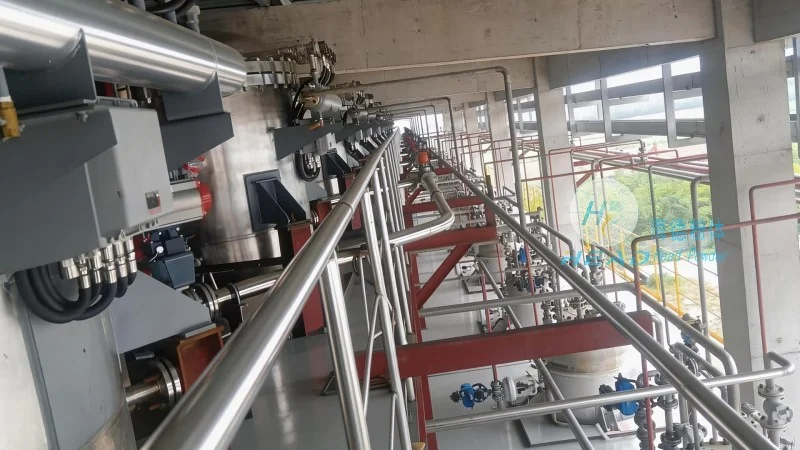
Pneumatic conveying is a method of transporting bulk materials like powders through a pipeline using a gas stream, typically air or a mixture of air and other gases. Unlike mechanical conveying systems that rely on physical components like belts or screws, pneumatic systems use pressure differentials and fluid dynamics to move material. The process involves creating a flow of air within a pipeline, which then draws or pushes the powder particles along with it. This approach is particularly advantageous for materials that are dusty, abrasive, or require minimal contact with equipment, making it suitable for sensitive products like oat flour.
The operation of an oat flour pneumatic conveying system involves several key components and steps. First, the oat flour is fed into a hopper or feeder, which controls the flow rate of the material into the system. From there, the powder is introduced into a pipeline where a high-velocity air stream is present. The air stream, often generated by a blower or compressor, creates a pressure difference that propels the oat flour particles forward. The design of the system, including the type of air nozzle, pipeline diameter, and length, is critical in determining the efficiency and capacity of the conveying process. For oat flour, which is a fine powder, the system must be designed to minimize particle segregation and ensure consistent flow to maintain product quality.
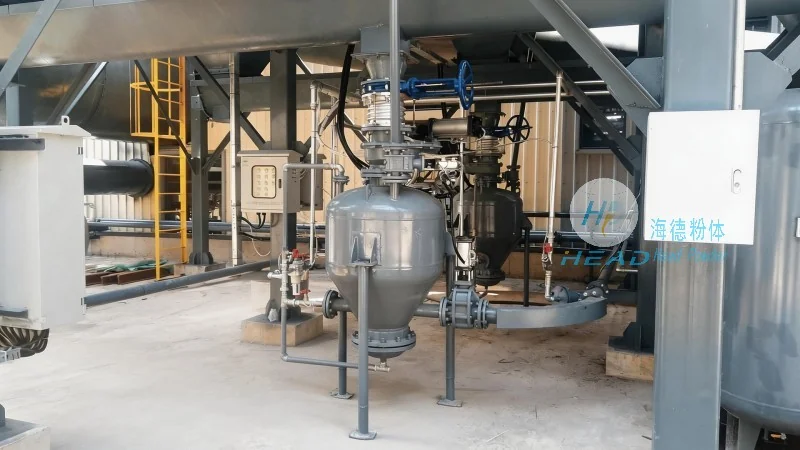
Typical pneumatic conveying systems consist of several essential parts. The primary components include a feeder (such as a rotary valve or screw feeder) to control the material input, a blower or compressor to generate the air pressure, a pipeline network to transport the material, and a receiver or silo to collect the conveyed powder. In addition, the system may include filters and cyclones to separate the air from the powder, ensuring that the oat flour is not contaminated and that the air is safely discharged. The choice of components depends on the specific requirements of the application, such as the volume of material to be conveyed, the distance of transport, and the desired flow rate.
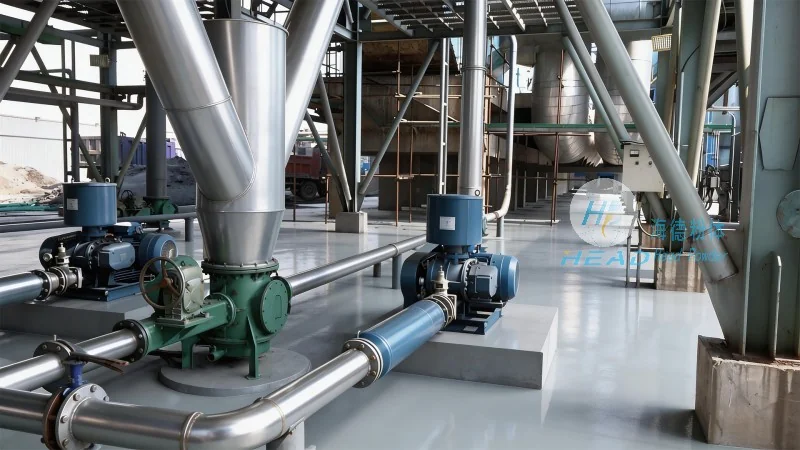
Implementing a pneumatic conveying system for oat flour offers several benefits over traditional mechanical methods. One of the most significant advantages is the ability to handle fine powders without the risk of clogging or damage to the material. The lack of moving parts in contact with the powder reduces the chance of contamination and wear, which is especially important for food-grade products like oat flour. Additionally, pneumatic systems can be designed for both low and high-pressure operations, allowing for flexible handling of different powder types and volumes. The system also provides better control over the flow rate and can be easily integrated with other processing equipment, enhancing overall operational efficiency.
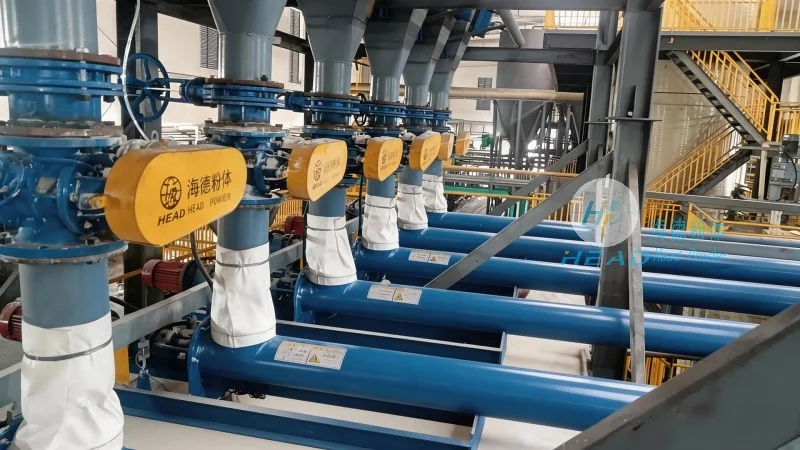
When designing a pneumatic conveying system for oat flour, several factors must be considered to ensure optimal performance. The first is the particle size and density of the oat flour, as these characteristics affect the air velocity required for effective transport. Larger or denser particles may require higher air pressures or different nozzle designs to maintain flow. The length and layout of the pipeline are also critical, as excessive pipeline length can lead to pressure losses and reduced conveying efficiency. Additionally, the system must be equipped with proper filtration and dust collection to comply with environmental regulations and maintain a clean working environment. Proper maintenance of the blower, feeder, and pipeline is essential to prevent downtime and ensure long-term reliability.
Oat flour pneumatic conveying is a highly effective method for transporting fine powders in industrial settings. By leveraging the principles of fluid dynamics and pressure differentials, these systems provide a clean, efficient, and reliable means of handling oat flour and other similar products. The key to successful implementation lies in understanding the material properties of the oat flour and designing a system that meets the specific requirements of the application. With proper planning and maintenance, pneumatic conveying systems can significantly improve the efficiency and safety of powder handling operations.

 Shandong Headpowder Engineering Co., Ltd.
 156-6277-7102(Manager Zhang)
  0531-83386006
  Zhangqiu District, Jinan City, Shandong Province, China
telephone
WeChatconsult
top