With more than 10‑year industry experience, Shandong Headpowder delivers full‑service pneumatic‑conveying systems and blowers, undertaking nationwide turn‑key powder‑handling projects.
Corundum, a high-purity aluminum oxide material, is widely utilized across various industrial sectors due to its exceptional hardness, chemical inertness, and thermal stability. The efficient and reliable transportation of corundum powder is paramount for maintaining product quality and operational efficiency in processing plants. Pneumatic conveying systems offer a robust solution for moving this abrasive material from storage to processing units, and understanding the primary types of these structures is essential for selecting the appropriate equipment tailored to specific industrial requirements.
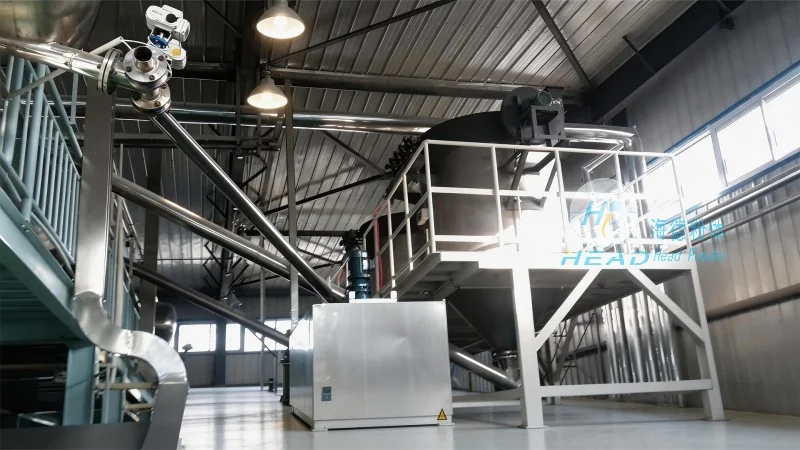
Pneumatic conveying systems employ air or gas to transport solid materials like corundum powder through a pipeline network. These systems are classified based on the pressure differential used to move the material, with two main categories: positive pressure and negative pressure (vacuum) systems. Each type has distinct operational characteristics and is selected based on factors such as material properties, system layout, and environmental considerations.
Positive pressure systems operate by generating a pressure higher than the ambient air pressure within the conveying line. This method is widely adopted for corundum handling due to its ability to handle abrasive materials and maintain consistent flow rates. The core components of a positive pressure system include a blower (or compressor), a material feeder, a conveying pipeline, and a dust collection unit. The blower provides the necessary pressure to propel the corundum particles, while the feeder ensures a steady supply of material. The pipeline transports the material to the destination, and the dust collector removes airborne particles to maintain air quality and prevent contamination. Positive pressure systems are particularly effective for long-distance or high-volume corundum transport, as they can maintain stable pressure and flow rates over extended distances.
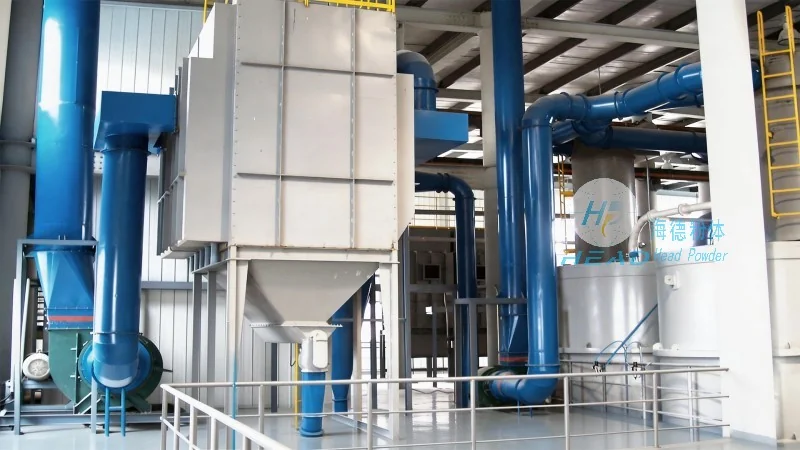
Negative pressure systems, also known as vacuum conveying, operate by creating a vacuum in the conveying line, which draws the corundum material from the source. This approach is especially suitable for applications where the material needs to be transferred from a low-level source or where a clean environment is required. The primary components of a vacuum system include a vacuum pump, a material hopper, a conveying line, and a filter. The vacuum pump generates the negative pressure, and the filter captures fine particles to prevent their release into the air. Negative pressure systems are often preferred for handling fine or dusty corundum powders, as they minimize material loss and contamination risks. Additionally, these systems are beneficial for applications where the material must be collected from multiple points or where the process requires a dust-free environment.
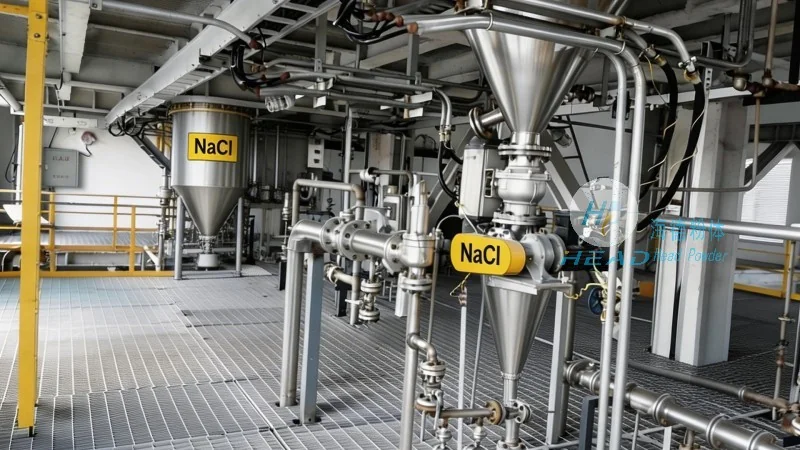
The design of a corundum pneumatic conveying system must consider several critical factors to ensure optimal performance and durability. Material compatibility is a top priority, as corundum is highly abrasive and can cause wear on system components. Therefore, components such as pipes, valves, and fittings are typically constructed from materials like stainless steel, high-density polyethylene (HDPE), or specialized alloys that can withstand the abrasive nature of the material. The system must also be engineered to handle the specific flow rates and pressure requirements of the corundum powder, which can vary based on particle size, moisture content, and bulk density. For example, finer corundum particles may require higher air velocities to maintain flow, while larger particles may need higher pressure to prevent blockages. Additionally, the system design must account for the potential for material buildup or clogging, especially in bends or fittings, and may include features like pulse jets or rotary valves to maintain smooth operation.
Corundum pneumatic conveying systems are integral to various industrial processes, including refractory production, abrasive manufacturing, and ceramic processing. In refractory applications, corundum is used to produce high-temperature-resistant materials, and the conveying system ensures that the material is delivered to mixing and molding processes without degradation or contamination. The efficient handling of corundum through pneumatic conveying also enhances safety in industrial facilities by reducing the need for manual handling of powders, which can pose inhalation and exposure risks. In abrasive manufacturing, corundum is used to produce grinding wheels and other tools, and the system helps maintain the quality of the final product by preventing cross-contamination from other materials. Furthermore, pneumatic conveying systems offer advantages such as reduced labor costs, improved process control, and the ability to handle materials in a closed system, which minimizes environmental impact and regulatory compliance issues.

 Shandong Headpowder Engineering Co., Ltd.
 156-6277-7102(Manager Zhang)
  0531-83386006
  Zhangqiu District, Jinan City, Shandong Province, China
telephone
WeChatconsult
top