With more than 10‑year industry experience, Shandong Headpowder delivers full‑service pneumatic‑conveying systems and blowers, undertaking nationwide turn‑key powder‑handling projects.
HeadPowder, a leading provider of material handling solutions, specializes in advanced pneumatic conveying systems designed to efficiently transport manganese silicate. This article explores the critical role that pneumatic conveying plays in the transportation of manganese silicate, highlighting the technical advantages and practical applications of this method.
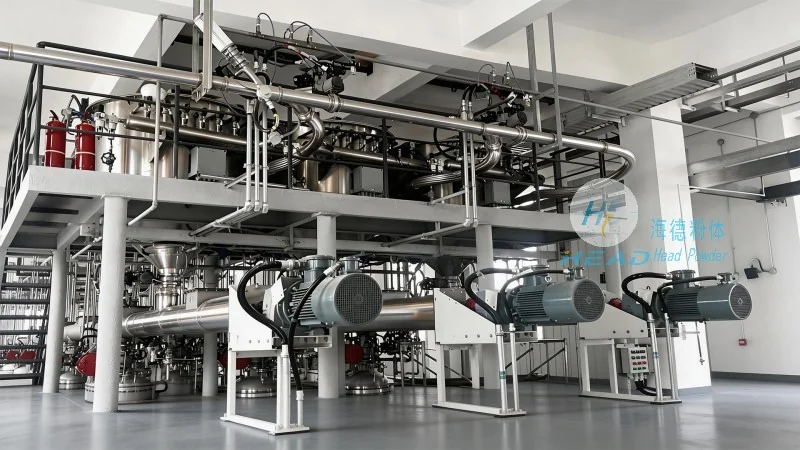
Manganese silicate is a versatile inorganic compound widely used in various industrial applications, including battery manufacturing, steel production, and chemical synthesis. Due to its fine particle size and abrasive nature, conventional bulk material handling methods often face significant challenges such as dust generation, equipment wear, and inefficiencies in material flow. Traditional methods like belt conveyors or screw conveyors may struggle to maintain consistent flow rates and can lead to material degradation or increased operational costs.
Pneumatic conveying, also known as air conveying, utilizes compressed air to transport bulk materials through a pipeline system. This technology offers several advantages over traditional methods, making it particularly suitable for handling manganese silicate. The primary benefits include: enhanced material containment to minimize dust emissions, reduced equipment wear due to the absence of mechanical components in direct contact with the material, and the ability to transport materials over long distances with minimal loss of quality. Additionally, pneumatic conveying systems can be designed for both dilute-phase and dense-phase operation, allowing for flexibility in handling different particle sizes and flow rates of manganese silicate.
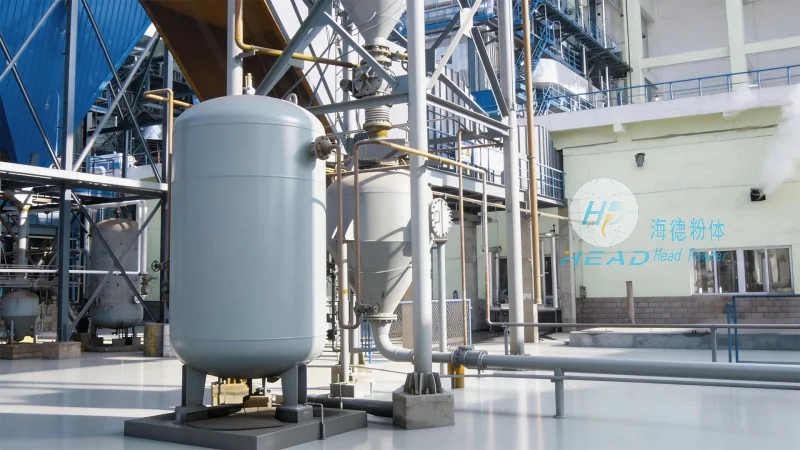
The effectiveness of a pneumatic conveying system for manganese silicate depends on several key components that work in harmony to ensure optimal performance. These components include: a material feeder to control the flow of manganese silicate into the system, a compressor to generate the necessary air pressure, a pipeline network to transport the material, and a receiver or discharge unit to collect the material at the destination. Each component is carefully selected and configured to match the specific characteristics of manganese silicate, such as its particle size distribution, moisture content, and bulk density.
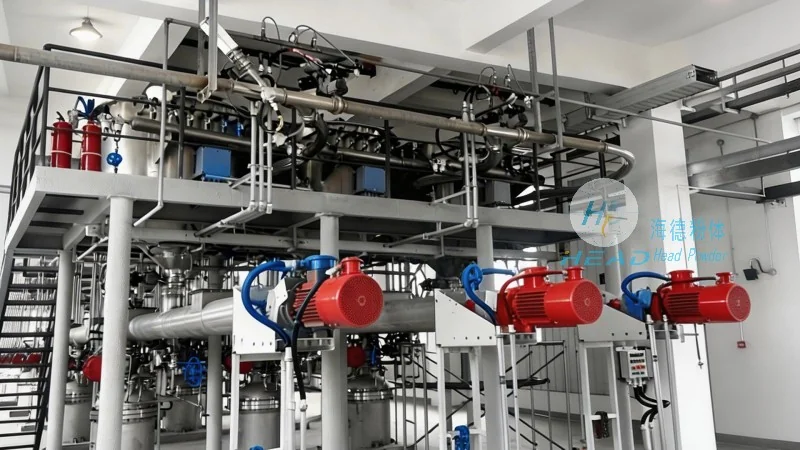
Implementing pneumatic conveying for manganese silicate transportation brings numerous operational advantages. One of the most significant benefits is the reduction in labor costs associated with manual handling and material transfer. Automated systems can operate continuously, reducing the need for human intervention and minimizing the risk of accidents. Furthermore, the consistent flow rates achieved with pneumatic conveying help maintain stable production processes, leading to improved product quality and reduced downtime. The system's ability to handle abrasive materials like manganese silicate without excessive wear also translates to lower maintenance costs and longer equipment lifespan.
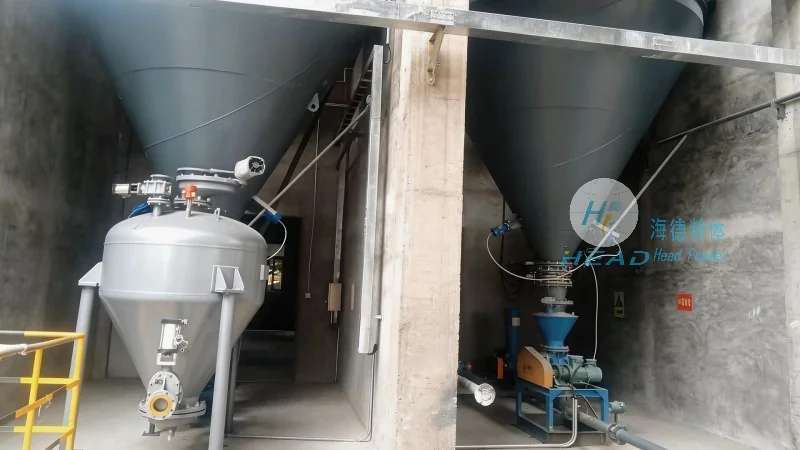
Shandong HeadPowder Engineering Co., Ltd., a prominent company in the material handling industry, has successfully implemented pneumatic conveying systems for manganese silicate transportation in various industrial settings. One notable project involved supplying manganese silicate to a battery manufacturing plant, where the company designed a custom dilute-phase pneumatic conveying system capable of transporting 50 tons of material per hour over a distance of 2 kilometers. The system was engineered to handle the fine particles of manganese silicate while minimizing dust emissions, which was crucial for maintaining a safe and compliant working environment. The project resulted in a 30% reduction in material handling costs and a 20% increase in production efficiency compared to traditional methods.
Pneumatic conveying has emerged as a highly effective and efficient method for transporting manganese silicate, offering significant advantages over conventional techniques. By leveraging advanced technology and tailored system designs, companies like Shandong HeadPowder Engineering Co., Ltd. are able to provide reliable solutions that meet the demanding requirements of modern industrial applications. As the demand for manganese silicate continues to grow, the role of pneumatic conveying in optimizing material handling processes will become increasingly critical. With ongoing advancements in system design and material handling technology, the future of manganese silicate transportation looks promising, with continued improvements in efficiency, safety, and cost-effectiveness.

 Shandong Headpowder Engineering Co., Ltd.
 156-6277-7102(Manager Zhang)
  0531-83386006
  Zhangqiu District, Jinan City, Shandong Province, China
telephone
WeChatconsult
top