With more than 10‑year industry experience, Shandong Headpowder delivers full‑service pneumatic‑conveying systems and blowers, undertaking nationwide turn‑key powder‑handling projects.
Understanding the various types, key features, and application ranges of gypsum powder pneumatic conveying systems is crucial for industries dealing with this material. Gypsum, a widely used mineral in construction and manufacturing, requires efficient and reliable handling methods to ensure optimal performance and safety. This article explores the different pneumatic conveying solutions available for gypsum powder, highlighting their characteristics and the specific scenarios where they are most effective.
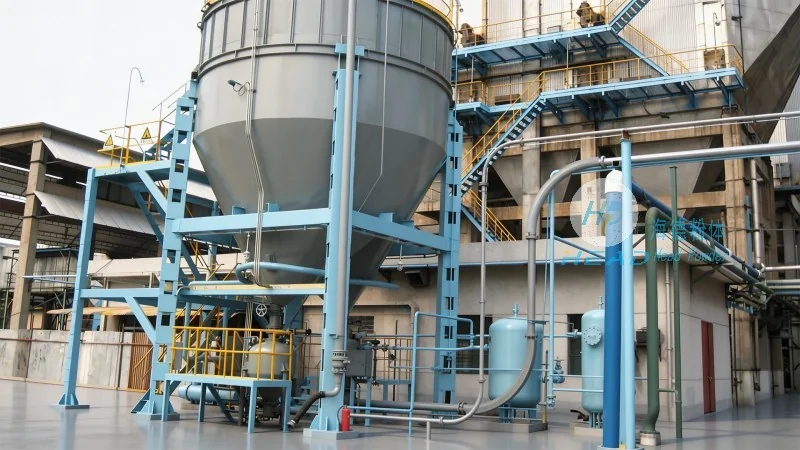
Gypsum powder pneumatic conveying systems utilize air or gas to transport dry powders like gypsum through a pipeline. These systems are designed to handle the unique properties of gypsum, such as its fine particle size and potential for dust generation. The primary goal is to move the material from a source, like a storage silo or production line, to a destination, such as a processing plant or packaging facility, without the need for mechanical components that might cause blockages or contamination.
There are several types of pneumatic conveying systems tailored for gypsum powder, each with distinct operational principles and suitability for different conditions. The most common categories include:
Dilute phase systems are the most widely used for gypsum powder due to their efficiency and low operating costs. In this method, the powder is mixed with a large volume of air, creating a dilute mixture that flows through the pipeline. The air velocity is maintained above the material's terminal velocity to prevent settling or clogging. This type is ideal for short to medium distances and low to moderate material flow rates. The key features include high air-to-material ratios, minimal pressure drops, and the ability to handle fine powders without excessive wear on components.
Dense phase systems are employed when longer distances or higher material loads are required. Unlike dilute phase, dense phase conveying uses a lower air-to-material ratio, resulting in a more concentrated mixture. The material is transported in a slug or plug flow, which reduces the risk of particle degradation and ensures a more stable flow. This method is suitable for applications where the material must be delivered with minimal segregation or degradation, such as in high-value gypsum products. The main characteristics include lower air velocities, higher pressure drops, and the need for more robust equipment to handle the increased density of the material.
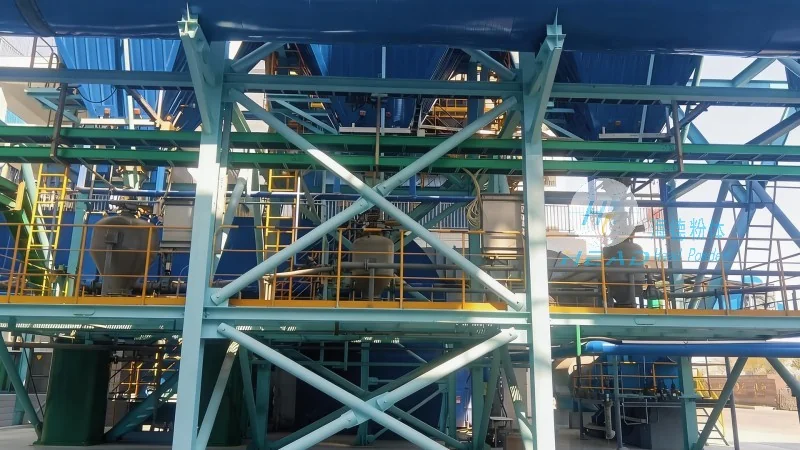
Pressure and vacuum conveying systems are versatile and can be adapted for various gypsum powder handling scenarios. Pressure systems use compressed air to push the material through the pipeline, while vacuum systems use suction to draw the material from the source. Pressure conveying is often used for short to medium distances and when the material needs to be delivered to a higher elevation. Vacuum conveying is ideal for applications requiring material to be drawn from a lower level or when the material is sensitive to pressure changes. Both methods offer flexibility in system design and can be integrated with existing infrastructure.
Regardless of the type, gypsum powder pneumatic conveying systems share several key features that enhance their performance and reliability. These features are designed to address the challenges associated with handling fine, dusty materials like gypsum:
The primary feature is the ability to transport gypsum powder efficiently over varying distances. Modern systems are engineered to minimize material loss and ensure consistent flow rates, which is critical for maintaining production continuity. The use of appropriate air velocities and pipeline diameters ensures that the material moves smoothly without clogging or settling.
Gypsum powder is a fine dust that can pose health and environmental risks if not properly managed. Pneumatic conveying systems incorporate dust collection and filtration systems to capture and contain the powder, preventing it from escaping into the environment. This feature not only ensures compliance with environmental regulations but also improves workplace safety by reducing exposure to airborne particles.
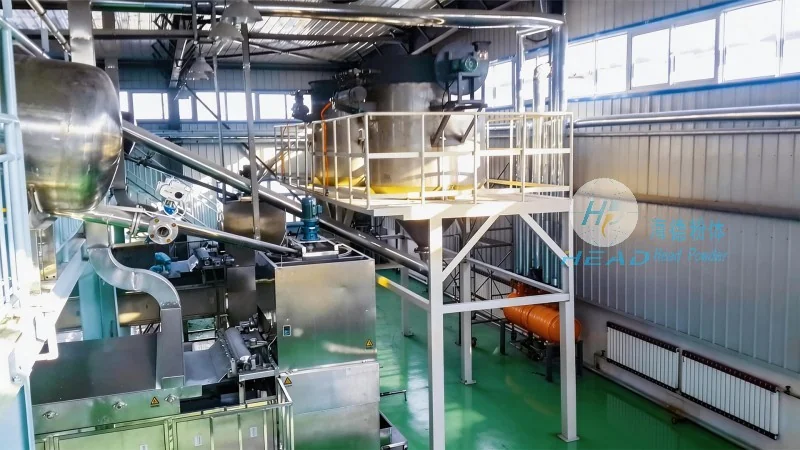
Handling gypsum powder can be abrasive due to its fine particles. Therefore, the equipment used in pneumatic conveying systems is constructed from materials resistant to wear and corrosion, such as stainless steel or specialized coatings. Regular maintenance is essential to ensure the longevity of the system and to prevent issues like blockages or pressure drops. The design of the system, including the use of flexible hoses and wear-resistant components, contributes to lower maintenance costs and higher system uptime.
Gypsum powder pneumatic conveying systems are applied in a wide range of industries and scenarios, each tailored to the specific requirements of the application. The following are common application ranges where these systems are utilized:
In the construction sector, gypsum powder is a key component in the production of drywall, plaster, and other building materials. Pneumatic conveying systems are used to transport gypsum from storage silos to production lines, ensuring a steady supply of material for manufacturing. The systems are designed to handle large volumes of material and maintain consistent quality, which is essential for producing high-quality building products.
While less common for gypsum powder, some applications in the pharmaceutical and food industries involve handling fine powders that require strict contamination control. Pneumatic conveying systems can be adapted for these applications by incorporating sterile filtration and cleanroom-compatible components. The systems ensure that the material is transported without cross-contamination, maintaining the purity and safety standards required in these industries.
Gypsum is also used in various chemical processes, such as the production of gypsum-based additives or as a filler in other chemical formulations. Pneumatic conveying systems are employed to transport gypsum powder from raw material storage to processing equipment, ensuring a continuous flow of material. The systems are designed to handle the specific chemical properties of the material and maintain the integrity of the processing environment.
In the mining industry, gypsum is often extracted as a byproduct or a primary mineral. Pneumatic conveying systems are used to transport the extracted gypsum powder from mining sites to processing facilities or storage areas. The systems are built to withstand harsh conditions and handle the abrasive nature of the material, ensuring reliable operation in challenging environments.
Gypsum powder pneumatic conveying systems offer a versatile and efficient solution for handling this essential material across various industries. By understanding the different types, key features, and application ranges, businesses can select the most appropriate system to meet their specific needs. The systems not only improve material handling efficiency but also enhance safety and environmental compliance. As the demand for gypsum products continues to grow, the importance of reliable pneumatic conveying solutions will remain critical in ensuring optimal performance and productivity.

 Shandong Headpowder Engineering Co., Ltd.
 156-6277-7102(Manager Zhang)
  0531-83386006
  Zhangqiu District, Jinan City, Shandong Province, China
telephone
WeChatconsult
top