With more than 10‑year industry experience, Shandong Headpowder delivers full‑service pneumatic‑conveying systems and blowers, undertaking nationwide turn‑key powder‑handling projects.
When it comes to transporting polypropylene (PP) pellets efficiently and reliably, pneumatic conveying systems have emerged as a preferred solution in industrial settings. These systems utilize air or gas to move bulk materials like PP pellets from one location to another, offering advantages such as reduced equipment wear, improved safety, and the ability to handle materials in a dust-free environment. For companies dealing with PP pellets, understanding the different types of pneumatic conveying systems and their practical applications is crucial for optimizing material handling processes.
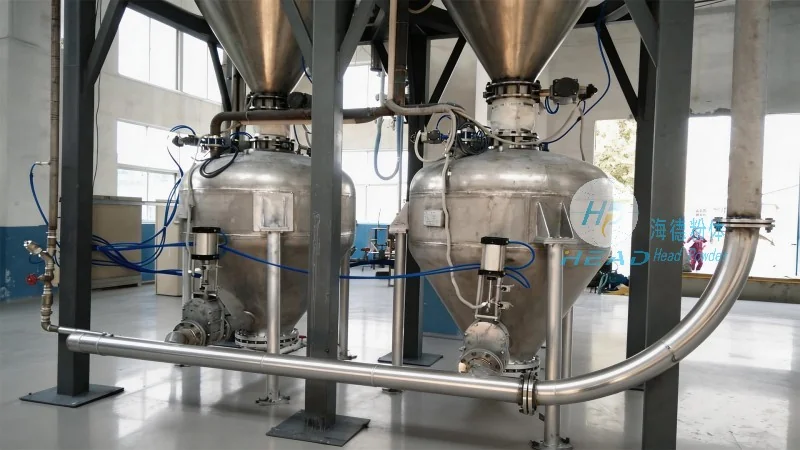
There are several types of pneumatic conveying systems commonly used for PP pellet transport, each with its own characteristics and suitability for different applications. The primary categories include pressure systems, vacuum systems, and hybrid systems. Pressure systems operate by blowing air or gas into a sealed pipeline, creating positive pressure that propels the pellets forward. These systems are often used for long-distance or high-volume transport and can handle abrasive materials effectively. On the other hand, vacuum systems use suction to draw the pellets into the pipeline, making them suitable for shorter distances or when the material needs to be collected from multiple points. Hybrid systems combine elements of both pressure and vacuum, offering flexibility in handling varying material characteristics and system requirements.
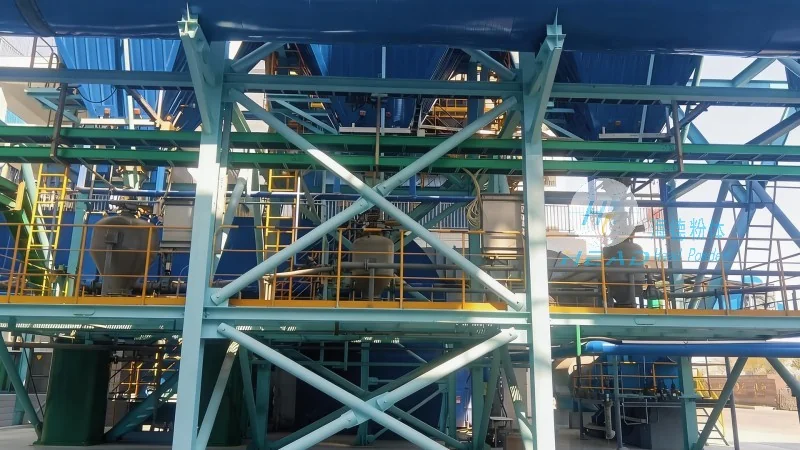
Practical applications of pneumatic conveying systems for PP pellets span various industrial sectors. In the plastics manufacturing industry, these systems are widely used to transport PP pellets from storage silos to processing machines, ensuring a continuous and controlled supply of raw material. The systems are also employed in recycling facilities where PP pellets are collected, sorted, and conveyed to reprocessing equipment. Additionally, in chemical and polymer processing plants, pneumatic conveying helps in transferring PP pellets between different processing stages, such as drying, mixing, and extrusion. The ability to maintain a clean and dust-free environment is particularly beneficial in food-grade or pharmaceutical applications where contamination control is critical.
When selecting a pneumatic conveying system for PP pellet transport, several factors need to be considered to ensure optimal performance and efficiency. The first consideration is the material characteristics of the PP pellets, including their size, shape, density, and moisture content. These factors influence the system's design, such as the type of air flow and the required pressure or vacuum levels. The distance and layout of the conveying route are also critical, as they determine the system's capacity and the number of components needed. Additionally, the desired flow rate and the need for dust control or environmental compliance must be taken into account. Proper system sizing and maintenance are essential to prevent blockages, ensure consistent performance, and minimize downtime. Working with experienced engineers, like those at Shandong HeadPowder Engineering Co., Ltd., can help in selecting the most suitable system based on specific operational requirements and material properties.
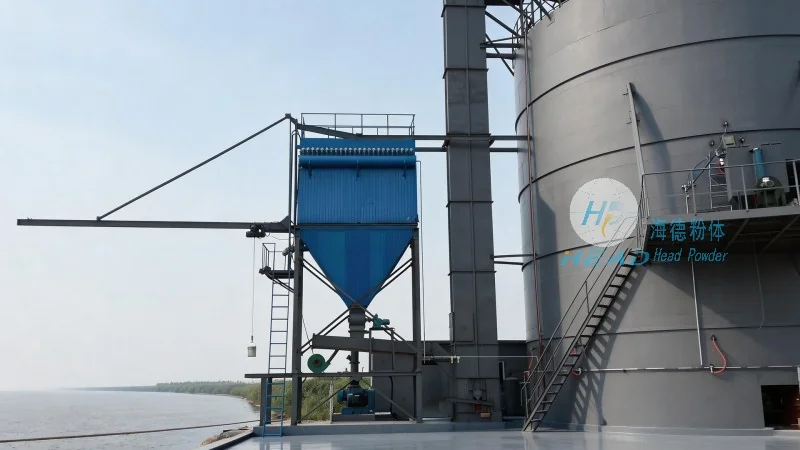
Implementing pneumatic conveying systems for PP pellet transport offers numerous benefits that contribute to improved operational efficiency and cost savings. One of the primary advantages is the reduction in labor costs associated with manual handling and material movement. By automating the process, companies can minimize the risk of material spillage and contamination, which is especially important for high-value PP pellets. The systems also reduce equipment wear and maintenance costs compared to traditional mechanical conveying methods, as there are fewer moving parts and less friction involved. Furthermore, pneumatic conveying systems can be integrated with other automation technologies, such as sensors and control systems, to enhance process monitoring and control. This integration enables real-time tracking of material flow, allowing for quick adjustments to maintain optimal performance. The environmental benefits, including reduced dust emissions and the ability to handle materials in a closed system, make pneumatic conveying an attractive option for companies committed to sustainable practices.

 Shandong Headpowder Engineering Co., Ltd.
 156-6277-7102(Manager Zhang)
  0531-83386006
  Zhangqiu District, Jinan City, Shandong Province, China
telephone
WeChatconsult
top