With more than 10‑year industry experience, Shandong Headpowder delivers full‑service pneumatic‑conveying systems and blowers, undertaking nationwide turn‑key powder‑handling projects.
For agricultural processing facilities, efficient and reliable material handling is crucial, especially when dealing with bulk materials like paddy husk. The design of a pneumatic conveying system for paddy husk represents a critical component in optimizing the overall workflow and ensuring consistent performance in grain processing operations. This article explores the key aspects of designing a paddy husk pneumatic conveying system, highlighting the technical considerations, material properties, and operational requirements that influence its effectiveness.
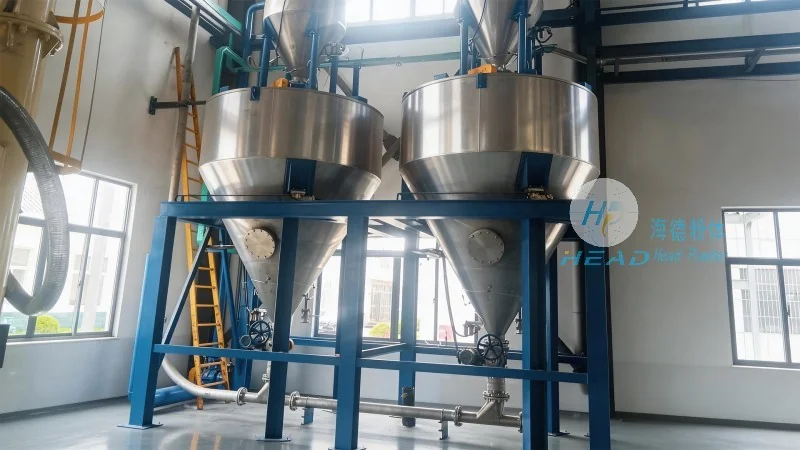
When designing a pneumatic conveying system for paddy husk, several factors must be carefully evaluated to ensure optimal performance and longevity. The primary considerations include the material's physical properties, such as particle size, density, and moisture content, which directly impact the system's air velocity and pressure requirements. Paddy husk is typically a light, fibrous material with a relatively low bulk density, making it susceptible to segregation and bridging issues during transport. Therefore, the design must incorporate features that prevent material buildup and ensure uniform flow.
Another critical aspect is the system's air handling capacity. The air velocity must be sufficient to overcome the material's resistance while minimizing energy consumption. High air velocities can lead to excessive wear on components and increased power costs, whereas low velocities may result in insufficient transport capacity. A balanced approach is essential, often achieved through the use of appropriate duct sizes, airlocks, and pressure regulators. The system's layout also plays a significant role, as the distance and elevation changes between the source and destination points affect the required air pressure and energy input.
Modern paddy husk pneumatic conveying systems typically consist of several key components, each serving a specific function in the material transport process. The primary components include the material feed hopper, which stores and feeds the paddy husk into the system, and the air supply unit, which generates the necessary airflow. The conveying line, usually made of stainless steel or other corrosion-resistant materials, transports the material from the feed point to the discharge point. Airlocks, such as rotary valves or slide gates, are used to control the flow of material at the inlet and outlet, preventing backflow and maintaining system pressure.
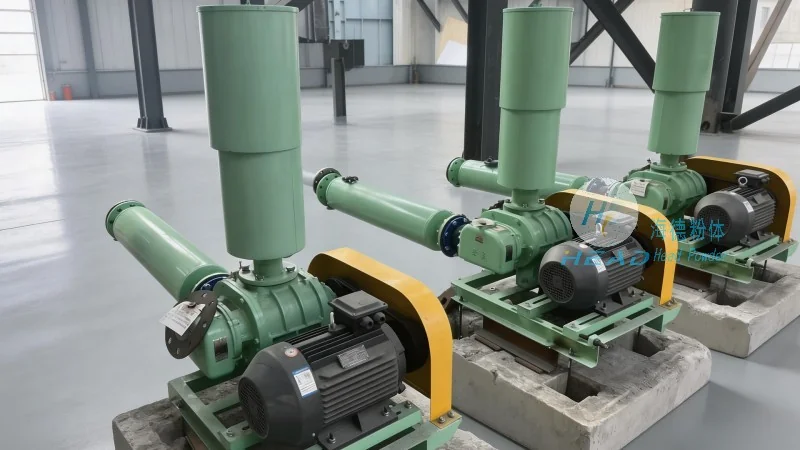
For paddy husk, which is a relatively light and abrasive material, the choice of components is vital. For instance, the feed hopper may incorporate a pre-screening mechanism to remove large debris or foreign objects that could damage the system. The conveying line is often equipped with internal liners or smooth surfaces to reduce friction and prevent material buildup. Additionally, the air supply unit may include a filter to remove dust and particulates from the air, ensuring the system operates efficiently and prolonging the lifespan of components.
Efficient operation of a paddy husk pneumatic conveying system relies on regular maintenance and proper operational practices. The system's performance can be significantly impacted by factors such as clogging, which can occur due to moisture accumulation or the presence of foreign materials. To mitigate this, the design may include features like moisture control mechanisms or automatic cleaning systems. Regular inspection of components, such as airlocks and conveying lines, is essential to detect and address issues before they lead to system failure.
Maintenance schedules should be established based on the system's usage and the characteristics of the paddy husk being processed. This may involve periodic cleaning of filters, lubrication of moving parts, and replacement of worn components. The use of high-quality materials and components also contributes to the system's longevity and reliability. For example, stainless steel is preferred for its resistance to corrosion and abrasion, which are common issues in paddy husk processing environments.
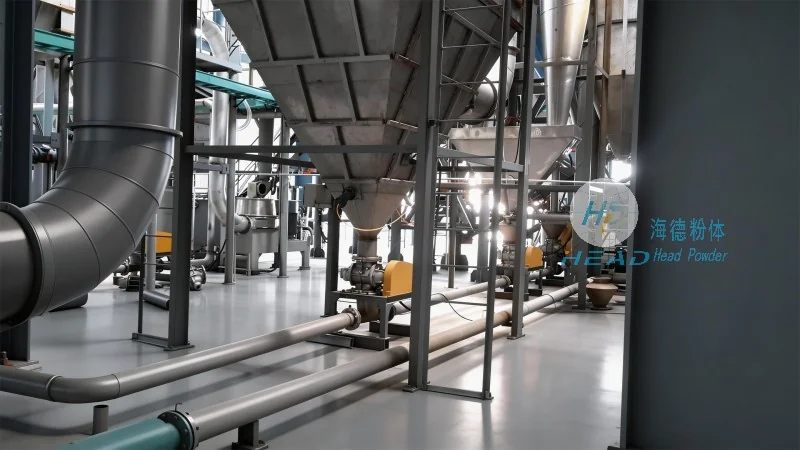
Paddy husk pneumatic conveying systems are widely used in agricultural processing facilities for transferring paddy husk from storage areas to processing units, such as boilers or pelletizing machines. The system's ability to handle bulk materials efficiently makes it an ideal solution for large-scale operations. Integration with other processing equipment is crucial for seamless workflow, and the design must consider the compatibility of the conveying system with existing infrastructure and equipment.
The system's performance is also influenced by the specific application. For instance, in boiler systems, the paddy husk is used as a fuel source, and the conveying system must ensure a consistent and controlled flow of material to maintain optimal combustion. In pelletizing operations, the paddy husk may be used as a raw material, and the conveying system must deliver it to the pelletizing machine without degradation or loss of quality. The design must therefore align with the downstream processing requirements to ensure the final product meets the desired specifications.
Designing an effective paddy husk pneumatic conveying system requires a comprehensive understanding of material properties, operational requirements, and system components. By addressing key design considerations, selecting appropriate technologies, and implementing proper maintenance practices, agricultural facilities can achieve efficient and reliable material handling. Shandong HeadPowder Engineering Co., Ltd., a leading provider in this field, specializes in the design and manufacturing of pneumatic conveying systems tailored to the unique needs of agricultural processing. With a focus on quality and performance, the company ensures that its systems meet the highest standards, providing long-term value to its clients in China and beyond.

 Shandong Headpowder Engineering Co., Ltd.
 156-6277-7102(Manager Zhang)
  0531-83386006
  Zhangqiu District, Jinan City, Shandong Province, China
telephone
WeChatconsult
top